Industry Overview
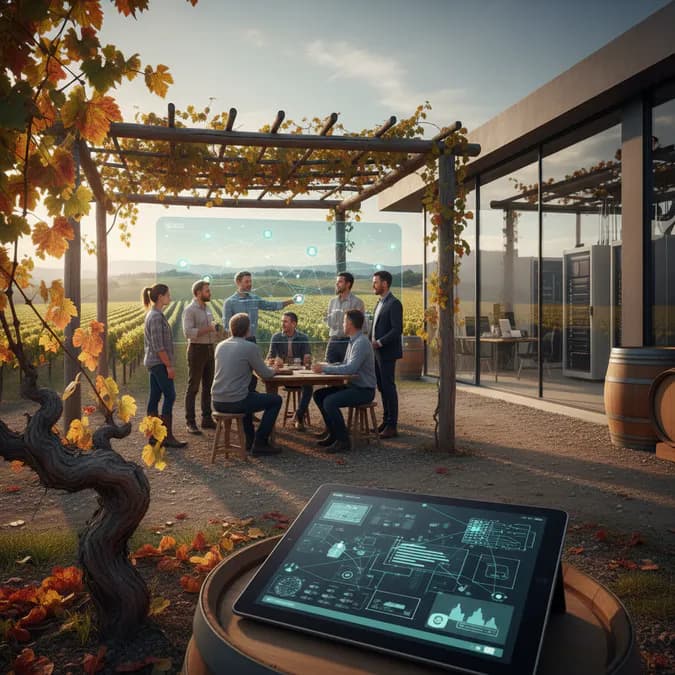
The 2026 Wine Industry Outlook highlights a significant bifurcation within the market. While some wineries struggle to adapt to changing consumer preferences and economic conditions, others are flourishing. According to the Silicon Valley Bank (SVB), top-
As younger generations, particularly Millennials and Gen Z, redefine drinking habits, the industry must pivot to meet these new demands. The participation of Gen Z in legal-age drinking has surged from 46% in 2023 to 70% in 2025, indicating a shift in consumer demographics that wineries must consider when crafting their marketing strategies.
Key Trends in the 2026 Wine Industry Outlook
Several key trends are shaping the wine industry as we move toward 2026:
- Direct-to-Consumer (DTC) Sales: DTC channels now account for 53% of average winery sales, with some regions reporting as high as 78%. This shift emphasizes the need for wineries to develop robust online platforms and customer engagement strategies.
- Operational Consistency: Wineries that maintain operational efficiency and consistency are better positioned to navigate market challenges. This includes adopting sustainable practices and leveraging data-driven insights to enhance decision-making.
- Premiumization: Despite an overall decline in wine volume forecasted at -2.4% for 2025, premium segments continue to show resilience. Consumers are willing to pay more for quality, organic, and alternative wine products, which presents opportunities for wineries focused on these niches.
- Market Adaptation: The industry is witnessing a structural transformation, with 38,000 acres of wine grapes removed between the 2024 and 2025 harvests. This reduction aids in balancing supply and demand, particularly as the market adjusts to shifting consumer preferences.
Impact on Wineries
The implications of these trends are profound for wineries across the spectrum. Top performers are not only achieving sales growth but also enhancing their operating margins, which stand at an impressive 11.9%. In contrast, those failing to adapt are facing significant challenges.
Wineries must focus on:
- Enhancing DTC Channels: Investing in digital marketing and e-commerce capabilities to capture the growing DTC market.
- Building Brand Clarity: Establishing a strong brand identity that resonates with consumers, particularly younger demographics.
- Operational Efficiency: Streamlining operations to reduce costs and improve margins, while also adopting sustainable practices that appeal to environmentally conscious consumers.
- Leveraging Data: Utilizing insights from reports like the SVB Wine Report and Dimensional Insight to inform strategic decisions.
As the SVB analysts noted, "The passive growth era is over—performance hinges on behavior, not conditions." This statement encapsulates the need for wineries to be proactive in their strategies, adapting to the evolving landscape rather than relying on past successes.
Conclusion
The 2026 Wine Industry Outlook presents a landscape filled with both challenges and opportunities. While the overall wine volume may be declining, the resilience of premium segments and the growth of DTC channels provide a pathway for wineries willing to adapt. By focusing on operational efficiency, brand clarity, and leveraging data-driven insights, wineries can position themselves for success in this transformative era.
For more detailed insights, refer to the SVB Wine Report and other industry analyses that highlight the trends and strategies shaping the future of wine.
Key Takeaways
- Wineries must adapt to changing consumer preferences, especially among younger generations.
- Direct-to-Consumer sales are crucial for growth and engagement.
- Operational efficiency and premiumization are key strategies for success.
- Data-driven decision-making is essential for navigating market challenges.
FAQ
What are the main trends in the 2026 wine industry outlook?
The main trends include the rise of Direct-to-Consumer sales, operational consistency, premiumization, and market adaptation to changing consumer preferences.
How can wineries improve their sales in 2026?
Wineries can improve sales by enhancing their DTC channels, building a strong brand identity, streamlining operations, and leveraging data insights.
What is the significance of premiumization in the wine industry?
Premiumization indicates that consumers are willing to pay more for quality products, presenting opportunities for wineries that focus on high-quality and organic offerings.
Why is operational efficiency important for wineries?
Operational efficiency helps wineries reduce costs, improve margins, and adapt to market challenges effectively.
Sources
- Automated Pipeline
- State of the US Wine Industry Report 2026 - Silicon Valley Bank
- 2026 Wine & Spirits Industry Trends - Dimensional Insight
- 2026 Wine Market Outlook | Premium Wines, Grape Supply
- Wine Trends 2026: What We're Actually Seeing From the Buying Desk
- Source: hwy29creative.com
- Source: daily.sevenfifty.com