
The wine industry stands at a critical inflection point as 2026 approaches. These 2026 wine industry predictions reveal a transformation driven by converging forces: artificial intelligence reshaping operations and customer engagement, climate change forcing vineyard adaptation, shifting consumer demographics including younger health-conscious drinkers, and geopolitical factors affecting supply chains. The industry is experiencing a structural shift from tradition-focused practices toward technology-enabled, data-driven operations that maintain human expertise at their core.
The 2026 Wine Industry Landscape
The wine industry in 2026 represents a pivotal year for transformation across multiple segments. According to recent industry analysis, the sector is experiencing a fundamental restructuring driven by technological innovation and changing consumer preferences. Emerging markets in Asia are reshaping global demand patterns while traditional wine-
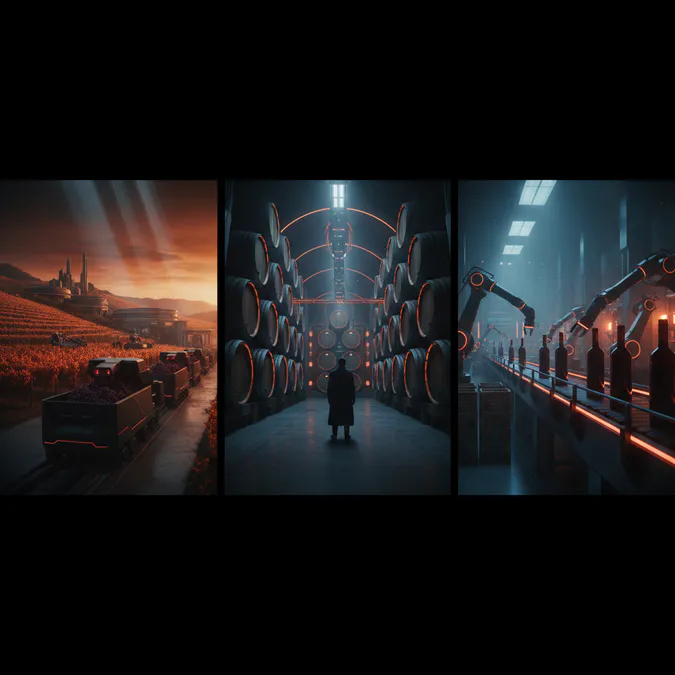
Premiumization trends persist, but increasingly selective. Modern consumers demand authenticity, sustainability credentials, and personalized experiences. Digital transformation is democratizing wine access through online education, virtual tastings, and direct-to-consumer platforms, fundamentally changing how wine is grown, produced, marketed, and consumed.
AI Sommeliers: Technology Meets Wine Expertise
Artificial intelligence is emerging as a significant trend in the wine industry for 2026, but not in the way many might expect. Rather than replacing human expertise, AI is functioning as an operational backbone, handling inventory management, demand prediction, and logistics while sommeliers focus on hospitality and education. These 2026 wine industry predictions emphasize AI as an augmentation tool rather than a replacement technology.
AI-Powered Recommendation Platforms
AI-powered sommelier applications are transforming how consumers discover and select wines. Platforms like Vivino and Pocket Sommelier scan wine labels and provide personalized recommendations, food pairings, and ratings at scale. These applications democratize wine knowledge, making expert-level guidance accessible to consumers at all experience levels.
Nicholas Miller, Chief Sales and Marketing Officer at Miller Family Wine Company, explains the impact: "Using the AI Sommelier takes the complexity out of choosing the perfect wine, providing detailed comparisons, reviews, tasting notes, and even pairing suggestions so everyone can make informed decisions effortlessly."
Rapid Adoption Across the Industry
The adoption rate is accelerating rapidly. Research indicates a 45% increase in AI adoption is anticipated among wine retailers and wineries implementing AI-powered tools for customer recommendations and operations management in 2026. This represents a significant shift in how the industry approaches customer engagement and operational efficiency.
Gemma Boucher, Wine Industry Analyst, emphasizes the collaborative nature of this transformation: "The aim of artificial intelligence in wine is not to replace the instinct or intuition of the winemaker. Instead, it supports growers and producers by allowing them to focus on what only humans can truly provide: sensory perception, creative decision-making, and a deep, lived connection to the land."
AI in Operations and Inventory Management
Beyond customer-facing applications, AI is revolutionizing backend operations. Wine retailers and producers are leveraging AI for demand forecasting, inventory optimization, and supply chain management. These operational applications free human experts to focus on the creative, sensory, and relationship-building aspects of wine that machines cannot replicate.
Vineyard Shifts: Climate Adaptation and Precision Viticulture
Climate change is forcing vineyard adaptation across the globe, driving significant operational and sustainability changes. Wine producers worldwide are implementing precision viticulture, alternative grape varieties, and revised vineyard management strategies in response to extreme weather, water stress, and unpredictable harvests.
Precision Viticulture Technology
Precision viticulture uses AI to monitor microclimates vine-by-vine, identify vineyard disease, optimize irrigation, and recommend optimal grape pressing times. This technology reduces human error while maintaining the quality standards that define premium wine production. By analyzing real-time data from individual vineyard sections, producers can make informed decisions about harvest timing, water management, and disease prevention.
Key applications of precision viticulture include:
- Microclimate monitoring for individual vine blocks
- Early disease detection and prevention
- Optimized irrigation scheduling based on soil moisture and weather data
- Harvest timing recommendations for optimal ripeness
- Yield prediction and quality assessment
Sustainability and Resilience
These vineyard shifts represent more than just technological adoption—they reflect a fundamental commitment to resilience and sustainability. Wine producers are revising release strategies and enhancing vineyard management practices to maintain consistency and quality despite increasingly unpredictable climate conditions. The Sustainable Wine Growing Alliance continues to support these efforts, providing resources and frameworks for producers implementing sustainable practices.
Alternative Grape Varieties
As traditional wine regions experience climate shifts, producers are experimenting with alternative grape varieties better suited to changing conditions. This includes both lesser-known traditional varieties and new hybrids developed specifically for climate resilience. These adaptations ensure that iconic wine regions can continue producing quality wines despite environmental challenges.
The NoLo Wine Boom: Market Growth and Consumer Trends
NoLo (No/Low alcohol) wines are experiencing remarkable market growth and increased consumer adoption, driven primarily by Gen Z consumers and health-conscious demographics. This emerging market segment represents one of the most significant shifts in consumer preferences within the wine industry and is a key component of 2026 wine industry predictions.
Market Size and Growth Projections
The market opportunity is substantial. Industry data indicates the global NoLo wine market is projected to reach $2.3 billion in valuation for 2026, with anticipated year-over-year growth of 12-15%. This growth trajectory reflects a fundamental shift in how consumers approach wine consumption, particularly among younger demographics who prioritize health and wellness alongside enjoyment.
Consumer Demographics and Motivations
NoLo wines appeal to multiple consumer segments:
- Health-conscious consumers reducing alcohol intake
- Designated drivers seeking sophisticated beverage options
- Pregnant women and nursing mothers
- Consumers seeking lighter options for daytime consumption
- Younger demographics prioritizing wellness
Quality Evolution and Market Legitimacy
The category has evolved significantly from early offerings, with producers now creating sophisticated, flavorful NoLo wines that compete on taste and complexity rather than simply offering lower alcohol as a compromise. Premium winemakers are applying their expertise to NoLo production, creating products that satisfy discerning palates while meeting health and lifestyle preferences.
This trend aligns with broader health-consciousness among younger consumers and reflects changing social attitudes toward alcohol consumption. As NoLo wines continue to improve in quality and expand in variety, they're transitioning from a niche category to a mainstream market segment that wine retailers and producers cannot ignore.
Digital Transformation and E-Commerce Expansion
E-commerce for premium and fine wine sales is experiencing accelerated growth, with wine retailers investing heavily in software infrastructure and digital platforms for direct-to-consumer distribution. Industry experts anticipate 62% growth in e-commerce premium and fine wine online sales for 2026 based on 12-month investment trends.
Industry Investment and Infrastructure
Significant capital investment is flowing into software solutions and digital platforms supporting e-commerce, customer data management, and AI-driven operations. Wine retailers are building sophisticated digital infrastructure to compete in an increasingly online marketplace while maintaining the personalized service that defines premium wine retail.
Nick Martin, CEO of the Wine Trade Organization, shares his perspective: "I suspect that 2026 will be the year where we see e-commerce for premium and fine wine sales really getting going based on the trend over the last 12 months."
Beyond Online Sales: Experience-Driven Engagement
The digital transformation extends beyond simple online sales. Wine tourism and experience-driven engagement are expanding globally, serving as gateways to long-term brand loyalty beyond immediate retail volume. Virtual tastings, online education, and direct-to-consumer platforms are creating new touchpoints for consumer engagement and brand building.
These digital experiences include:
- Virtual wine tastings with winemakers and sommeliers
- Online wine education courses and certifications
- Direct-to-consumer subscription services
- AI-powered personalized recommendation engines
- Interactive vineyard tours and producer storytelling
- Community platforms for wine enthusiasts
Consumer Adoption of Digital Platforms
Consumer appetite for digital wine engagement is strong. According to recent research, 38% of wine consumers are actively seeking personalized wine recommendations through digital platforms and AI applications, indicating robust demand for these innovations. This high adoption rate validates the industry's investment in digital infrastructure and suggests continued growth in online wine sales and engagement.
What This Means for Wine Professionals and Consumers
These converging trends create both opportunities and challenges for wine professionals and consumers. Understanding these implications is essential for navigating the transformed wine landscape of 2026 and beyond.
Opportunities for Consumers
For consumers, the changes mean greater access to personalized recommendations, more diverse product options including NoLo wines, and enhanced educational resources. The democratization of wine knowledge through AI platforms removes barriers to entry for new wine enthusiasts while providing experienced consumers with deeper insights and discovery opportunities.
Consumers benefit from:
- Personalized wine recommendations based on preferences and history
- Expanded product selection including NoLo and sustainable options
- Access to expert knowledge through digital platforms
- Direct relationships with producers through e-commerce
- Virtual experiences connecting them to vineyards and winemakers
Evolution of Wine Professional Roles
For wine professionals, the transformation requires adaptation and continuous learning. Sommeliers and wine educators are increasingly focusing on the human elements of wine expertise—sensory perception, storytelling, and personalized guidance—while leveraging AI tools to enhance their capabilities rather than compete with them.
The sommelier role is evolving from gatekeeper of wine knowledge to curator of experiences and guide through increasingly complex wine landscapes. Professionals who embrace technology while emphasizing human connection and expertise will thrive in this transformed environment.
Winemaker and Vineyard Manager Adaptations
Winemakers and vineyard managers must balance tradition with innovation, adopting precision viticulture and climate adaptation strategies while maintaining the quality and character that define their wines. The industry's shift toward data-driven decision-making doesn't diminish the importance of human expertise; rather, it amplifies it by providing better information for creative and intuitive decision-making.
Retail and Distribution Challenges
Retailers face the challenge of building robust digital platforms while maintaining the personal relationships that drive customer loyalty. The 62% anticipated growth in e-commerce represents significant opportunity for those who can execute effectively, but success requires investment in technology, talent, and customer experience.
Successful retailers in 2026 will combine:
- Sophisticated e-commerce platforms with seamless user experiences
- AI-powered recommendation engines
- Knowledgeable staff providing personalized guidance
- Educational content and virtual experiences
- Curated selections reflecting diverse consumer preferences
- Sustainability and ethical sourcing transparency
Industry-Wide Transformation
The wine industry's transformation in 2026 represents a fundamental shift in how wine is produced, distributed, and consumed. This isn't a temporary trend but a structural change reflecting evolving consumer values, technological capabilities, and environmental realities. Industry participants who recognize and adapt to these changes will position themselves for success in the coming years.
Frequently Asked Questions About 2026 Wine Industry Predictions
What are the main 2026 wine industry predictions?
The primary 2026 wine industry predictions include rapid AI adoption for customer recommendations and operations (45% increase expected), significant NoLo wine market growth to $2.3 billion, precision viticulture expansion for climate adaptation, and 62% growth in e-commerce premium wine sales. These trends reflect a fundamental transformation in how wine is produced, marketed, and consumed.
How will AI impact the wine industry by 2026?
AI will enhance rather than replace human expertise in the wine industry. By 2026, AI applications will handle inventory management, demand forecasting, and personalized recommendations, allowing sommeliers and winemakers to focus on sensory perception, creativity, and customer relationships. Research indicates 38% of wine consumers are already seeking AI-powered recommendations.
Will NoLo wines become mainstream by 2026?
Yes, according to 2026 wine industry predictions, NoLo wines are transitioning from niche to mainstream. The market is projected to reach $2.3 billion with 12-15% annual growth, driven by health-conscious consumers and younger demographics. Premium winemakers are now producing sophisticated NoLo options that compete on taste and complexity.
How is climate change affecting 2026 wine industry predictions?
Climate adaptation is a critical component of 2026 wine industry predictions. Producers are implementing precision viticulture technology to monitor individual vine blocks, optimize irrigation, and detect disease early. Alternative grape varieties suited to changing conditions are being adopted to ensure quality consistency despite environmental challenges.
What does digital transformation mean for wine consumers in 2026?
Digital transformation will provide wine consumers with greater access to personalized recommendations, virtual tastings, online education, and direct-to-consumer purchasing. The 62% anticipated growth in e-commerce premium wine sales reflects consumer demand for these digital experiences and convenient access to diverse wine selections.
How should wine professionals prepare for 2026 changes?
Wine professionals should embrace technology while emphasizing human expertise. Sommeliers should develop skills in storytelling and personalized guidance, winemakers should adopt precision viticulture, and retailers should invest in digital platforms. Success in 2026 requires balancing innovation with tradition and data-driven decisions with intuitive expertise.
The Bottom Line
2026 represents a pivotal year for wine industry transformation. Artificial intelligence is reshaping how wines are selected, produced, and managed—not by replacing human expertise but by amplifying it. NoLo wines are transitioning from niche to mainstream, reflecting changing consumer preferences and demographics. Climate adaptation is becoming essential for vineyard survival and quality consistency. Digital platforms are democratizing wine access while creating new opportunities for direct-to-consumer engagement.
These trends are not isolated developments but interconnected elements of a comprehensive industry transformation. The wine industry that emerges from 2026 will be more technologically sophisticated, more responsive to consumer preferences, more sustainable, and more accessible than ever before. Success in this new landscape requires embracing innovation while honoring the traditions and human expertise that define wine culture.
Whether you're a wine professional, enthusiast, or casual consumer, understanding these 2026 wine industry predictions helps you navigate the evolving wine landscape. The future of wine is being written now, shaped by technology, sustainability, and changing consumer values. The industry's ability to balance innovation with tradition, data with intuition, and accessibility with quality will determine its success in 2026 and beyond.