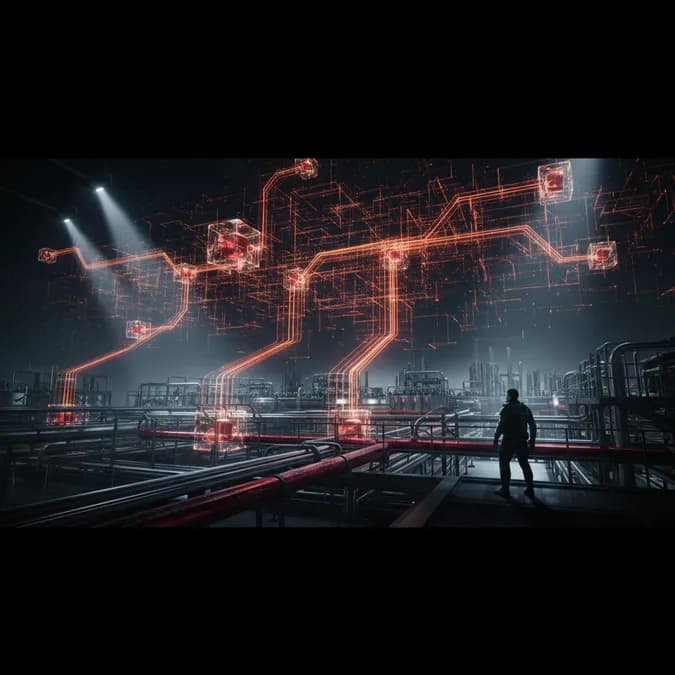
The wine industry, steeped in tradition, is increasingly embracing technological advancements to enhance efficiency and maintain consistent quality. One of the most significant innovations is the implementation of automated pipelines throughout the winemaking process. From grape sorting to bottling, these systems are revolutionizing how wine is produced, offering numerous benefits to wineries of all sizes. Research indicates that wineries adopting automation see productivity improvements of 20-30% within the first year of implementation.
Table of Contents

- What is an Automated Pipeline in Winemaking?
- Key Components of an Automated Wine Pipeline
- 5 Benefits of Automation in Wine Production
- Challenges and Considerations
- The Future of Wine Production
- Frequently Asked Questions
- Key Takeaways
What is an Automated Pipeline in Winemaking?
An automated pipeline in winemaking refers to a series of interconnected machines and processes that work together to streamline the production of wine. These systems typically include components for grape handling, crushing, fermentation, aging, and bottling, all controlled by sophisticated software and sensors. The goal is to minimize human intervention, reduce errors,
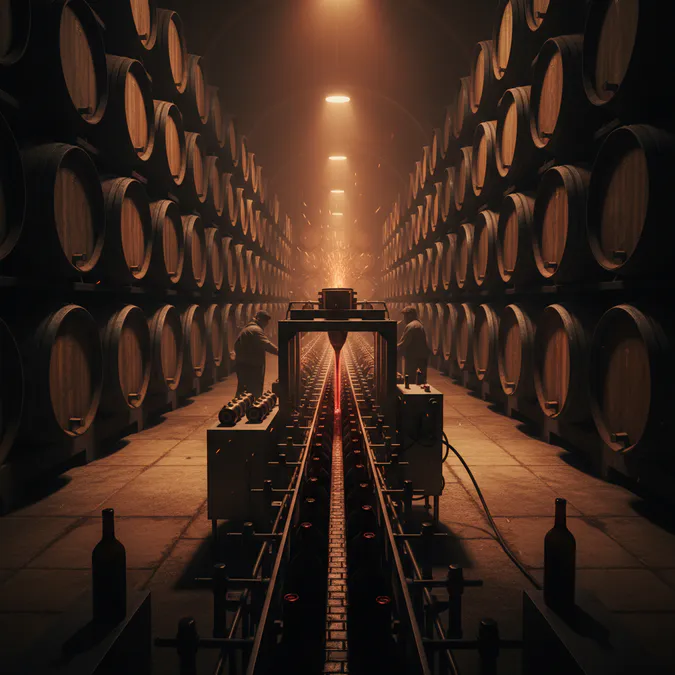
Key Components of an Automated Wine Pipeline
A comprehensive automated pipeline system integrates multiple specialized technologies working in concert. Each component plays a critical role in ensuring consistent quality and efficiency throughout the winemaking journey.
- Grape Sorting and Destemming: Automated systems use optical sensors and artificial intelligence to remove unwanted materials like leaves, stems, and damaged grapes, ensuring only the best fruit proceeds to the next stage. This precision sorting improves final wine quality significantly.
- Crushing and Pressing: Automated crushers and presses extract juice from the grapes with precision, minimizing the risk of over-extraction and preserving the delicate flavors of the fruit. These systems can process tons of grapes per hour with consistent results.
- Fermentation Control: Automated fermentation tanks monitor temperature, sugar levels, pH, and other critical parameters, allowing winemakers to precisely control the fermentation process and achieve desired flavor profiles. Real-time data collection enables immediate adjustments.
- Aging and Storage: Automated systems manage the filling, emptying, and cleaning of barrels and tanks, ensuring consistent aging conditions and reducing the risk of contamination. Temperature and humidity control remain constant throughout the aging period.
- Bottling and Packaging: Automated bottling lines fill, cork, label, and package bottles with speed and accuracy, minimizing waste and ensuring consistent presentation. Modern systems can handle thousands of bottles daily.
5 Benefits of Automation in Wine Production
The adoption of automated pipelines offers several compelling advantages for wineries of all sizes. These benefits extend beyond simple cost reduction to encompass quality improvements and operational resilience.
- Increased Efficiency: Automation significantly reduces the time and labor required to produce wine, allowing wineries to process larger volumes of grapes more quickly. Studies show that automated pipeline systems can increase throughput by 25-35% without sacrificing quality.
- Improved Quality Control: Automated systems provide precise control over each stage of the winemaking process, minimizing variations and ensuring consistent quality from batch to batch. Sensors and monitoring systems catch deviations immediately, preventing costly mistakes.
- Reduced Labor Costs: By automating repetitive tasks, wineries can reduce their reliance on manual labor, leading to significant cost savings. Resources can be redirected toward skilled positions like quality assurance and innovation.
- Enhanced Hygiene: Automated systems are designed to minimize human contact with the wine, reducing the risk of contamination and spoilage. Closed-loop systems maintain sterile conditions throughout production.
- Data-Driven Decision Making: Automated systems generate vast amounts of data on every aspect of the winemaking process, providing winemakers with valuable insights to optimize their operations. Analytics platforms help identify trends and predict outcomes.
Challenges and Considerations
While the benefits of automated pipelines are significant, there are also challenges and considerations that wineries must carefully evaluate before implementation. Understanding these obstacles helps organizations plan more effectively.
- High Initial Investment: Implementing an automated pipeline requires a significant upfront investment in equipment and software. Costs typically range from hundreds of thousands to millions of dollars depending on production scale and system complexity.
- Technical Expertise: Operating and maintaining automated systems requires specialized technical skills, which may necessitate hiring new staff or training existing employees. Ongoing support and updates are essential for system reliability.
- Integration with Existing Processes: Integrating automated systems with existing winemaking processes can be complex and may require modifications to existing infrastructure. Legacy equipment compatibility issues sometimes arise.
- Loss of Traditional Techniques: Some winemakers worry that automation may lead to a loss of traditional winemaking techniques and a homogenization of wine styles. Balancing innovation with heritage remains an ongoing concern.
- System Downtime: Equipment failures can halt production entirely, making maintenance and backup systems critical. Wineries must plan for contingencies and maintain relationships with service providers.
The Future of Wine Production
Despite these challenges, the trend towards automation in wine production is likely to continue. As technology advances and costs decrease, more and more wineries will adopt automated pipelines to improve efficiency, enhance quality, and reduce costs. The future of winemaking will likely involve a blend of traditional techniques and cutting-edge technology, with winemakers using data and automation to make informed decisions and create exceptional wines.
Emerging technologies like artificial intelligence, machine learning, and Internet of Things (IoT) integration are poised to make automated pipeline systems even more sophisticated. Predictive analytics will enable winemakers to anticipate problems before they occur, while blockchain technology may revolutionize supply chain transparency and authenticity verification.
Frequently Asked Questions About Automated Pipelines
How much does an automated pipeline system cost?
The cost of an automated pipeline system varies widely based on production capacity, desired features, and customization requirements. Small to medium wineries typically invest $500,000 to $2 million, while large-scale operations may spend $5 million or more. Additional costs include installation, training, and ongoing maintenance.
Can small wineries benefit from automated pipelines?
Yes, small wineries can benefit from automated pipelines, though they may implement systems in phases rather than all at once. Modular automation solutions allow smaller producers to start with bottling automation or fermentation control and expand over time as budgets allow.
Will automation eliminate winemaking jobs?
While automation reduces the need for certain manual labor positions, it creates new opportunities in technical maintenance, data analysis, and quality assurance. The wine industry continues to evolve, with skilled workers finding roles in system management and innovation rather than repetitive tasks.
How do automated pipelines maintain wine quality?
Automated systems maintain quality through precise control of temperature, timing, chemical composition, and other critical variables. Continuous monitoring and real-time adjustments prevent deviations that could compromise the final product, often resulting in more consistent quality than manual processes.
What is the typical ROI timeline for automated pipeline investment?
Most wineries see return on investment within 3-7 years, depending on production volume, labor costs, and efficiency gains. Larger operations with high throughput typically achieve ROI faster than smaller producers.
Can existing wineries retrofit automated pipelines?
Yes, existing wineries can retrofit automated pipelines, though this often requires facility modifications and infrastructure upgrades. Working with experienced automation consultants helps minimize disruption and ensures compatibility with existing equipment.
Key Takeaways
- Automated pipelines are transforming wine production by streamlining processes and improving efficiency by 25-35% in many cases.
- The 5 key benefits include increased efficiency, improved quality control, reduced labor costs, enhanced hygiene, and data-driven decision making.
- Challenges include high initial investment, technical expertise requirements, integration complexity, and concerns about traditional technique preservation.
- The future of winemaking will likely involve a blend of traditional techniques and automation technology working in harmony.
- Small and large wineries alike can benefit from automated pipeline systems, with modular solutions available for different scales of operation.
- Return on investment typically occurs within 3-7 years for most winery operations.
The Bottom Line
Automated pipelines represent a significant advancement in wine production, offering wineries the opportunity to improve efficiency, enhance quality, and reduce costs. While there are challenges to consider, the benefits of automation are undeniable, and the trend towards automation is likely to continue in the years to come. Wineries that thoughtfully implement automated pipeline technology while preserving their unique character and traditional values will be best positioned to thrive in an increasingly competitive market. The key is finding the right balance between innovation and heritage, using technology as a tool to enhance rather than replace the art of winemaking.