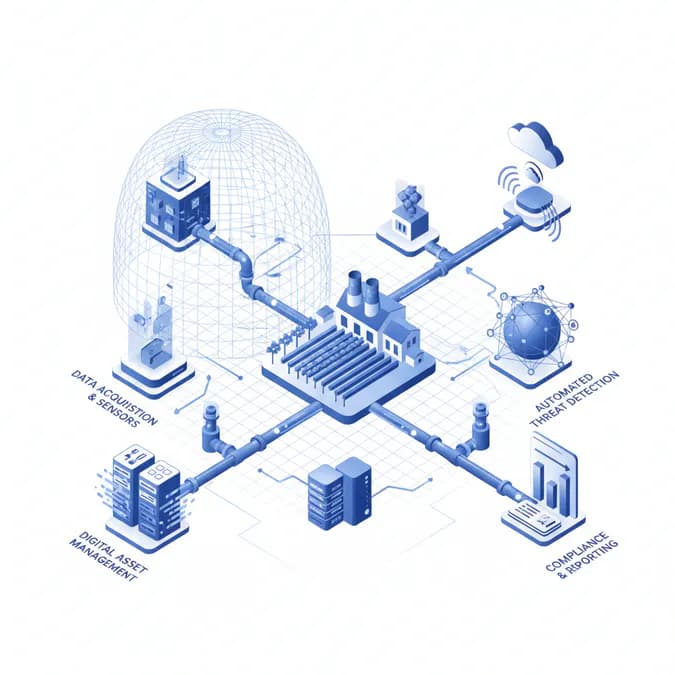
The wine industry, steeped in tradition, is increasingly embracing technological advancements to enhance efficiency and quality. Among these innovations, the automated pipeline stands out as a transformative solution for modern wineries. This technology streamlines the winemaking process, from grape reception to bottling, offering numerous benefits and addressing key challenges in contemporary wine production.
Automated pipelines in wineries represent a significant leap forward in how wine is produced. By integrating sensors, control systems, and robotic elements, these systems minimize manual intervention, reduce the risk of human error, and optimize resource utilization. The adoption of automated pipelines is not merely about replacing human labor; it's about creating a more consistent, precise, and sustainable winemaking operation that meets modern market demands.
Table of Contents

- Key Advantages of Automated Pipelines in Wineries
- Challenges and Considerations
- The Future of Automated Pipelines in Winemaking
- Frequently Asked Questions
- Key Takeaways
Key Advantages of Automated Pipelines in Wineries
The implementation of automated pipeline systems offers wineries multiple strategic advantages that extend beyond simple labor reduction. Research indicates that wineries adopting automated pipeline technology experience measurable improvements across production metrics, quality standards, and operational efficiency. Understanding these five cor
Enhanced Efficiency and Throughput
One of the primary benefits of automated pipelines is the significant increase in efficiency and throughput. Traditional winemaking processes often involve manual transfer of grapes, must, and wine between different stages. This can be time-consuming and labor-intensive, with potential delays during critical harvest periods. Automated systems, on the other hand, can move materials quickly and continuously, reducing processing time and increasing the overall volume of wine produced. Industry data suggests that automated pipeline systems can increase production throughput by 20-40% compared to manual processes, depending on winery size and configuration.
Improved Quality Control
Automated pipelines enable more precise control over critical parameters such as temperature, flow rate, and pressure. Sensors continuously monitor these variables, and control systems automatically adjust them to maintain optimal conditions. This level of precision is difficult to achieve with manual processes, leading to more consistent wine quality and reduced variability between batches. The consistency provided by automated pipeline technology ensures that each vintage maintains the winery's desired flavor profile and quality standards, which is essential for brand reputation and customer satisfaction.
Reduced Labor Costs
While the initial investment in automated pipeline systems can be substantial, the long-term reduction in labor costs can be significant. By automating many of the manual tasks involved in winemaking, wineries can reduce their reliance on human labor, particularly during peak seasons such as harvest. This can lead to substantial cost savings and improved profitability. Many wineries report that the return on investment for automated pipeline installations occurs within 5-7 years, after which the systems continue to generate cost savings. Additionally, reduced labor demands allow wineries to allocate staff to higher-value activities such as quality assessment and product development.
Enhanced Hygiene and Sanitation
Maintaining a high level of hygiene and sanitation is crucial in winemaking to prevent spoilage and ensure wine quality. Automated pipelines are typically designed with smooth, easy-to-clean surfaces and closed systems that minimize the risk of contamination. Automated cleaning cycles can further enhance hygiene and reduce the need for manual cleaning, saving time and resources. The closed-system design of modern automated pipeline technology prevents exposure to airborne contaminants and oxidation, which can compromise wine quality. This is particularly important for premium wines where maintaining pristine conditions throughout production is essential.
Data-Driven Decision Making
Automated pipelines generate vast amounts of data on various aspects of the winemaking process. This data can be analyzed to identify trends, optimize processes, and make more informed decisions. For example, data on fermentation kinetics can be used to fine-tune fermentation parameters and improve wine quality. Data on energy consumption can be used to identify areas for energy savings and improve sustainability. The integration of automated pipeline systems with data analytics platforms enables winemakers to make evidence-based adjustments that enhance both quality and efficiency, creating a competitive advantage in the marketplace.
Challenges and Considerations
Despite the significant advantages of automated pipeline technology, wineries must carefully evaluate several important challenges before implementation. Understanding these obstacles helps ensure successful adoption and realistic expectations regarding the transition to automated systems.
Initial Investment Costs
The initial investment in automated pipeline systems can be a significant barrier for some wineries, particularly smaller operations. The cost of equipment, installation, and integration with existing systems can be substantial, ranging from hundreds of thousands to millions of dollars depending on production scale. However, it's important to consider the long-term benefits and potential return on investment when evaluating the cost of automation. Many wineries find that financing options and phased implementation approaches can make the transition more manageable financially.
Integration with Existing Systems
Integrating automated pipelines with existing winemaking equipment and processes can be complex and challenging. It's important to carefully plan the integration process and ensure that all systems are compatible and work together seamlessly. This may require modifications to existing equipment or the development of custom interfaces. Working with experienced automation consultants can help minimize integration challenges and ensure that the automated pipeline system functions optimally within the existing winery infrastructure.
Training and Expertise
Operating and maintaining automated pipeline systems requires specialized training and expertise. Wineries need to invest in training their staff to operate the equipment, troubleshoot problems, and interpret the data generated by the systems. This may require hiring new staff with specialized skills or providing additional training to existing employees. The learning curve for staff can extend several months, during which productivity may be temporarily reduced. However, most equipment manufacturers provide comprehensive training programs to facilitate this transition.
Scalability and Flexibility
Wineries need to consider the scalability and flexibility of automated pipeline systems when making investment decisions. The systems should be able to adapt to changing production volumes and accommodate different winemaking styles. This may require choosing modular systems that can be easily expanded or reconfigured as needed. Forward-thinking wineries select automated pipeline solutions designed with future growth in mind, ensuring that initial investments remain valuable as the business evolves.
The Future of Automated Pipelines in Winemaking
The future of automated pipelines in winemaking is bright, with ongoing advancements in technology and increasing adoption by wineries of all sizes. As technology continues to evolve, we can expect to see even more sophisticated and integrated systems that offer even greater benefits to producers worldwide.
Artificial Intelligence and Machine Learning Integration
One key trend is the increasing use of artificial intelligence (AI) and machine learning (ML) in automated pipeline systems. AI and ML algorithms can analyze vast amounts of data to optimize processes, predict outcomes, and identify potential problems before they occur. This can lead to even greater efficiency, quality, and sustainability. For example, predictive analytics can forecast fermentation completion times with remarkable accuracy, allowing winemakers to adjust processes proactively rather than reactively.
System Integration and Holistic Operations
Another trend is the increasing integration of automated pipelines with other winery systems, such as vineyard management systems and enterprise resource planning (ERP) systems. This integration can provide a holistic view of the entire winemaking operation, from grape to bottle, enabling more informed decision-making and improved overall performance. The convergence of these systems creates a unified digital ecosystem that optimizes every aspect of wine production and distribution.
Sustainability and Environmental Benefits
As environmental concerns become increasingly important, automated pipeline technology is evolving to support sustainability goals. Modern systems are designed to minimize water usage, reduce energy consumption, and decrease waste throughout the winemaking process. These environmental benefits align with consumer preferences for sustainably produced wines and help wineries meet regulatory requirements in various markets.
Frequently Asked Questions About Automated Pipelines
What is an automated pipeline in winemaking?
An automated pipeline in winemaking is a system of interconnected tubes, pumps, sensors, and control systems that automatically moves grapes, must, and wine through various production stages. These systems use technology to minimize manual intervention while maintaining precise control over critical parameters like temperature, pressure, and flow rate.
How much does an automated pipeline system cost?
The cost of automated pipeline systems varies significantly based on winery size, production capacity, and system complexity. Small to medium-sized wineries might invest $500,000 to $2 million, while larger operations could spend $5 million or more. It's essential to view this as a long-term investment with typical payback periods of 5-7 years.
Can existing wineries retrofit automated pipeline systems?
Yes, existing wineries can retrofit automated pipeline systems, though this requires careful planning and may involve modifications to existing infrastructure. Working with experienced automation specialists helps ensure successful integration with current equipment and processes.
How do automated pipelines improve wine quality?
Automated pipelines improve wine quality through precise control of temperature, pressure, and flow rates. They also maintain closed systems that prevent oxidation and contamination, ensure consistent processing conditions across batches, and enable data-driven adjustments to optimize fermentation and aging processes.
What training is required to operate automated pipeline systems?
Staff operating automated pipeline systems typically require specialized training covering equipment operation, system monitoring, data interpretation, and basic troubleshooting. Most equipment manufacturers provide comprehensive training programs, and the learning curve typically extends several months.
Are automated pipelines suitable for small wineries?
While automated pipeline systems require significant investment, smaller wineries can benefit through phased implementation, modular systems, or partnerships with other producers. The decision depends on production volume, financial capacity, and long-term growth plans.
Key Takeaways
- Efficiency Gains: Automated pipeline systems can increase production throughput by 20-40% while reducing processing time and labor requirements during critical harvest periods.
- Quality Consistency: Precise sensor-based control of temperature, pressure, and flow rates ensures consistent wine quality and reduced batch variability, essential for brand reputation.
- Cost Savings: Although initial investment is substantial, most wineries achieve return on investment within 5-7 years through reduced labor costs and improved operational efficiency.
- Hygiene Advantages: Closed-system design and automated cleaning cycles minimize contamination risk and prevent oxidation, protecting wine quality throughout production.
- Data Intelligence: Automated pipelines generate comprehensive production data enabling evidence-based decision-making, process optimization, and predictive maintenance.
- Future Technologies: Integration with AI, machine learning, and enterprise systems will continue to enhance automated pipeline capabilities and sustainability benefits.
- Implementation Considerations: Successful adoption requires careful planning, staff training, system integration expertise, and realistic expectations about transition timelines.
What This Means for Modern Wineries
Automated pipelines are transforming the wine industry by streamlining processes, enhancing quality control, and reducing costs. While challenges exist in implementation and operation, the benefits of automation are undeniable, making it an essential technology for modern wineries looking to thrive in a competitive market. As technology advances and becomes more accessible, automated pipelines will continue to play an increasingly important role in the future of winemaking. Wineries that strategically adopt this technology position themselves for improved profitability, consistent quality, and sustainable growth in an evolving industry landscape.
For more information on winemaking technology and industry best practices, consider consulting resources from organizations like the American Society for Enology and Viticulture or exploring case studies from wineries that have successfully implemented automated pipeline systems.