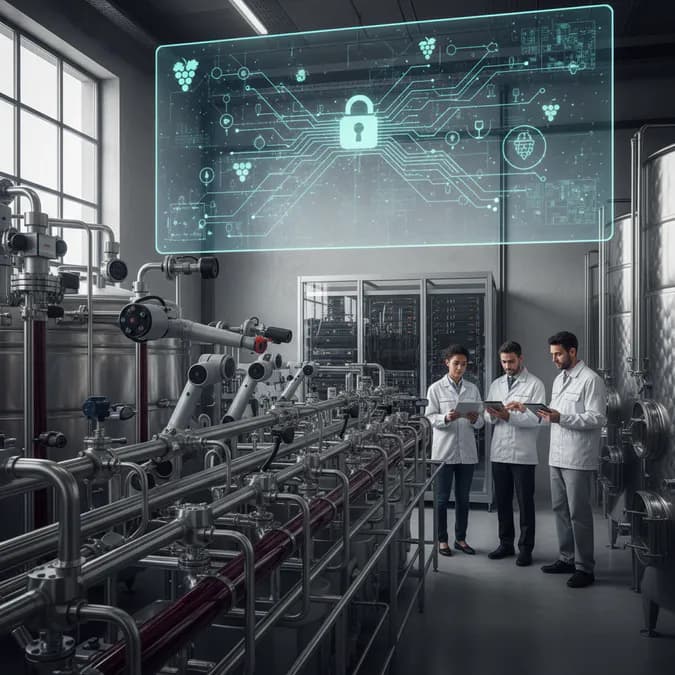
The wine industry, steeped in tradition, is increasingly embracing technological advancements. One of the most significant developments is the rise of automated wine pipelines, revolutionizing various stages of winemaking, from grape harvesting to bottling. This shift promises enhanced efficiency, superior quality control, and reduced labor costs, but it also raises questions about the future of traditional winemaking practices. In this article, we’ll explore how automation is reshaping the industry and provide actionable insights for wineries looking to adapt.
Table of Contents

- What is an Automated Wine Pipeline?
- Benefits of Automation in Winemaking
- Challenges of Automation in Winemaking
- The Future of Automated Wine Pipelines
- Frequently Asked Questions
- Key Takeaways
What is an Automated Wine Pipeline?
An automated wine pipeline refers to the integration of cutting-edge technologies and systems to streamline the winemaking process. This includes automated harvesting, sorting, crushing, fermentation monitoring, barrel management, and bottling. The primary aim is to create a seamless, data-driven workflow that minimizes human error while maximizing productivity and consistency.
Key Components of an Automated Pipeline
- Automated Harvesting: Machines equipped with sensors and AI selectively harvest grapes based on ripeness, reducing manual labor and ensuring consistent quality.
- Automated Sorting: Optical sorting systems use cameras and algorithms to detect and remove unwanted materials like leaves, stems, and damaged grapes before crushing.
- Automated Crushing and Pressing: Computer-controlled crushers and presses extract juice with precision, optimizing yields and minimizing over-extraction risks.
- Automated Fermentation Monitoring: Sensors and software track temperature, sugar levels, and other vital parameters during fermentation, enabling real-time adjustments for optimal results.
- Automated Barrel Management: Robotic systems monitor and manage barrels, ensuring proper rotation, topping, and cleaning to prevent spoilage and boost efficiency.
- Automated Bottling and Packaging: High-speed bottling lines with automated labeling and packaging systems significantly increase throughput and cut labor costs.
Benefits of Automation in Winemaking
Increased Efficiency
Automation drastically cuts down the time and labor needed for winemaking tasks. For instance, automated harvesting machines can collect grapes far quicker than manual methods, especially across vast vineyards. Similarly, high-speed bottling lines can process thousands of bottles per hour, boosting overall production rates.
Improved Quality Control
Automated systems offer precision that surpasses human capabilities in monitoring and controlling critical factors. This leads to consistent wine quality and lowers spoilage risks. Research indicates that automated fermentation monitoring ensures temperature and sugar levels stay within ideal ranges, preventing issues like stuck fermentations.
Reduced Labor Costs
By minimizing the need for manual labor, automation offers substantial cost savings for wineries. Processes like harvesting, sorting, and bottling require fewer workers when automated, allowing businesses to allocate resources elsewhere.
Enhanced Data Collection and Analysis
Automated technologies produce extensive data that winemakers can leverage to refine their craft. This information helps identify patterns, optimize operations, and make informed decisions. Data from fermentation monitoring, for example, can fine-tune protocols to elevate wine quality over time.
Challenges of Automation in Winemaking
High Initial Investment
Adopting automated systems often demands a significant upfront cost. Equipment like harvesting machines, optical sorters, and bottling lines can be expensive, posing a barrier especially for smaller wineries with limited budgets.
Technical Expertise Required
Running and maintaining automated setups necessitates specialized knowledge. Wineries may need to invest in training staff or hiring experts to manage these sophisticated systems effectively.
Loss of Traditional Skills
Some industry voices express concern that automation might erode traditional winemaking expertise. As more tasks become mechanized, the demand for skilled manual labor could diminish, potentially leading to a loss of time-honored techniques.
Impact on Wine Style
There’s a worry that automation might contribute to a standardization of wine profiles. Relying heavily on data and algorithms could overshadow the subtle nuances and individuality that define unique wines, as noted by industry observers.
The Future of Automated Wine Pipelines
Despite the hurdles, the move toward automation in winemaking is set to grow. As technology evolves and becomes more affordable, more wineries are expected to adopt these systems to enhance efficiency, quality, and profitability. The challenge lies in striking a balance between modern automation and the artistry of traditional methods, ensuring the distinct charm of wine endures.
Industry experts suggest that future innovations may include even smarter AI-driven systems for predicting grape ripeness and optimizing fermentation with greater accuracy. For more insights on winemaking trends, check out resources from authoritative sources like Wine Institute. Also, explore related topics on our site, such as Winemaking Innovations for deeper context.
Frequently Asked Questions About Automated Wine
What exactly is an automated wine pipeline?
An automated wine pipeline integrates technology to streamline winemaking stages like harvesting, sorting, and bottling, reducing errors and boosting efficiency.
How does automation improve wine quality?
Automation enhances quality by precisely monitoring factors like fermentation temperature and sugar levels, ensuring consistency and minimizing spoilage risks.
Is automation affordable for small wineries?
While the initial costs can be high, declining technology prices and scalable solutions are making automation more accessible to smaller operations over time.
Will automation replace traditional winemaking?
Not entirely. The goal is to blend automation with tradition, preserving the craftsmanship of winemaking while leveraging technology for efficiency.
Key Takeaways
- Automated wine pipelines are reshaping the winemaking landscape with innovative technology.
- Benefits include heightened efficiency, better quality control, and significant labor cost reductions.
- Challenges involve high upfront costs, the need for technical skills, and risks to traditional methods.
- The future will likely see a harmonious blend of automation and artisanal winemaking practices.
The Bottom Line
Automated wine pipelines mark a transformative era in the winemaking industry. While obstacles remain, the advantages are compelling. Wineries that strategically adopt automation can achieve remarkable gains in efficiency, quality, and profitability, all while maintaining the unique essence of their wines.