
California's 2025 winegrape harvest has concluded, and the results are telling a nuanced story about quality, balance, and the complexities facing the state's wine industry. According to the Wine Institute, the growing season was characterized by a long, consistent ripening period with no major heat events—a stark contrast to recent vintages shaped by extreme weather, smoke, and drought stress. The result is grapes with concentrated flavors and bright acidity that suggest strong vintage potential, even as production volumes remain constrained and market conditions continue to challenge growers. This report examines what the California 2025 harvest means for wine, the factors that shaped the vintage, and the broader implications for producers, consumers, and the industry.
The 2025 Growing Season: Mild Conditions and Steady Ripening
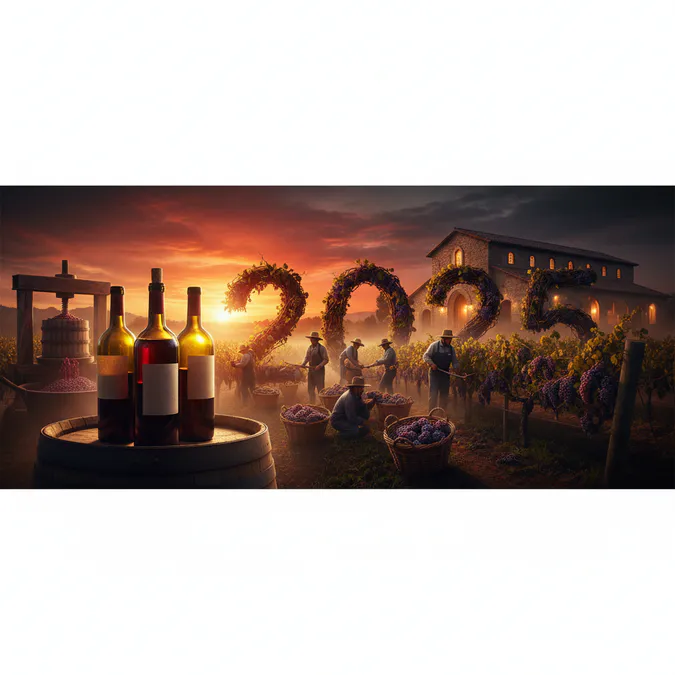
The 2025 California winegrape harvest benefited from conditions that many in the industry describe as ideal for producing balanced, age-worthy wines. Unlike the dramatic temperature swings and extreme weather events that have characterized recent vintages, the 2025 season unfolded as a long, even progression from bud break through harvest.
According to
The steady conditions meant that ripening occurred gradually rather than in compressed timeframes forced by heat spikes. This extended maturation period allowed grape sugars, tannins, and phenolic compounds to develop in harmony, creating the foundation for wines with complexity and depth.
Decanter's coverage of the harvest noted that the cooler summer conditions created generally encouraging fruit chemistry across California's wine regions, though some fire-related concerns were noted in certain areas. The overall narrative, however, points to a vintage shaped by consistency rather than crisis.
Flavor Profile: What Concentrated Flavors and Bright Acidity Mean
When industry observers describe the California 2025 vintage as featuring concentrated flavors and bright acidity, they're identifying two key characteristics that define the wine's structure and potential.
Concentrated Flavors Explained
Concentrated flavors refer to the intensity and depth of fruit character in the grapes. A long, steady growing season allows flavor compounds to develop fully, resulting in wines that express varietal character clearly and powerfully. In Cabernet Sauvignon, this might mean ripe black cherry and plum notes with subtle herbal undertones. In Chardonnay, concentrated flavors could translate to stone fruit intensity with mineral complexity.
The development of these flavor compounds depends on several factors working in concert: adequate sunlight exposure, proper nutrient uptake through the vine's root system, and optimal ripening temperatures. The 2025 season appears to have provided all three conditions without the stress that extreme heat can impose.
Bright Acidity and Wine Structure
Bright acidity is equally important to the vintage's character. Acidity is the backbone of wine structure, providing freshness, balance, and aging potential. Grapes that maintain good acidity levels—preserved through the mild growing season rather than cooked down by extreme heat—produce wines that feel lively on the palate and age gracefully. This acidity prevents wines from tasting flat or one-dimensional and helps food pairings work more effectively.
The combination of these two characteristics is particularly prized by serious wine collectors and winemakers. Concentrated flavors without bright acidity can result in heavy, flabby wines that lack structure. Bright acidity without flavor concentration produces thin, austere wines that lack appeal. The California 2025 vintage appears to have achieved the balance that winemakers spend careers trying to perfect.
Production Numbers: Volume Trends and Market Reality
While the quality story of the California 2025 harvest is encouraging, the volume picture tells a different tale. The United States Department of Agriculture (USDA) forecast 3 million tons of California winegrape production for 2025, representing a 4% increase compared to 2024. However, this increase masks a more significant trend: 2025 production is estimated to be 16% below the previous three-year average. [Source: Wine Institute]
To understand the severity of this constraint, consider that California's 2024 wine grape crush reached 2.88 million tons—the lowest level in over 20 years. The 2025 forecast of 3 million tons represents only a modest recovery from that historic low. [Source: AgIS Capital]
Factors Behind Production Constraints
These production constraints stem from multiple factors, including:
- Vineyard replanting cycles following disease or replanting decisions
- Disease management and phylloxera control measures
- Ongoing economic pressures on growers affecting planting and maintenance decisions
- Grower decisions to leave fruit unharvested due to unfavorable economics
The reality, as Jeff Bitter, President of Allied Grape Growers, noted in recent industry commentary, is that some grapes will go unharvested again this year. This reflects the difficult economics facing many California growers, who face high production costs, labor expenses, and soft demand for wine throughout the supply chain.
Vintage Quality Outlook: Expert Perspectives
Despite production challenges, industry observers are cautiously optimistic about the California 2025 vintage's potential. The Wine Institute's official assessment emphasizes that the grapes have concentrated flavors and bright acidity, reflecting the benefits of the mild growing season. This technical evaluation suggests that winemakers will have excellent raw material to work with.
Measured Optimism from Industry Observers
However, as one California grower and harvest observer quoted by Decanter noted, the signs point to real potential, but the consensus is that this is a year that demands patience, with the final chapter yet to be written. This measured perspective reflects the reality that grape quality is only the first step in producing great wine. Winemaking decisions, barrel aging, and bottle maturation will all influence how the California 2025 vintage ultimately develops.
Data and Analysis Framework
The preliminary crush data released by the USDA provides official state-level tonnage and price information that offers a key benchmark for evaluating the harvest. More detailed analysis will emerge as the California Department of Food and Agriculture releases its comprehensive 2025 Grape Crush Report, which provides granular data by region and varietal.
Industry Challenges and Market Context
The California 2025 harvest arrives in a wine sector facing significant headwinds. Beyond production constraints, the industry is contending with weak demand, elevated inventories, and uneven grower economics. Quality and volume are not moving together in 2025—the vintage may be excellent, but the market conditions remain challenging.
Economic Pressures on Growers
Many growers are operating at reduced profitability or losses, particularly smaller and mid-sized operations. The combination of high production costs, labor expenses, and soft pricing has created a difficult environment. Some vineyards have been abandoned or converted to other uses, contributing to the production decline.
This economic reality explains why some grapes go unharvested despite their quality. When the cost of harvesting, transporting, and selling grapes exceeds the revenue they generate, growers make the difficult decision to leave fruit on the vine. This represents a loss for the grower but also reflects the broader market imbalance between supply and demand.
Inventory and Demand Dynamics
The wine industry continues to work through elevated inventories from previous vintages. Soft demand means that producers are cautious about adding to these inventories, even when fruit quality is strong. This creates a complex dynamic where excellent grapes may not translate into robust production if producers are concerned about their ability to sell the resulting wine.
What This Means for Wine Consumers and Producers
For wine consumers, the California 2025 harvest offers several important implications.
Quality Potential and Aging Prospects
First, the vintage appears to have genuine quality potential, suggesting that wines from this year could offer excellent drinking experiences and aging potential. The combination of concentrated flavors and bright acidity is exactly what serious wine drinkers seek. Wines with these characteristics typically develop complexity and nuance over years or even decades in the bottle.
Availability and Scarcity Considerations
Second, the constrained production means that California 2025 wines may be harder to find than wines from larger vintages. Collectors and enthusiasts who identify wines they like should consider securing bottles sooner rather than later, as availability may become limited. This is particularly true for wines from smaller producers or prestigious regions where demand consistently exceeds supply.
Pricing Opportunities
Third, the market conditions may create pricing opportunities. With soft demand and elevated inventories, some producers may price California 2025 wines competitively to move inventory and generate cash flow. This could mean better value for consumers willing to explore wines from less-famous producers or regions. The combination of quality fruit and soft market conditions could create a window for discovering excellent wines at reasonable prices.
Producer Strategies and Decisions
For producers, the California 2025 harvest presents both opportunities and challenges. The excellent fruit quality provides a foundation for making wines that can compete in quality-focused markets. However, the constrained production means that revenue per acre must be higher to maintain profitability. This creates pressure to focus on quality over quantity and to find premium market segments willing to pay for the vintage's strengths.
Producers must also navigate the timing of release. Wines with bright acidity and concentrated flavors often benefit from bottle age, but market pressures may push some producers to release wines earlier than optimal. The decision about when to release will significantly influence how the California 2025 vintage is ultimately perceived. Some producers may choose to age wines longer before release, betting that quality will command premium prices. Others may release earlier to generate needed cash flow.
The Bottom Line
California's 2025 winegrape harvest represents a vintage of genuine promise. The long, consistent growing season with no major heat events created ideal conditions for producing grapes with concentrated flavors and bright acidity—the hallmarks of balanced, age-worthy wines. The Wine Institute's assessment reflects this quality potential, and industry observers are cautiously optimistic about what winemakers will achieve with this fruit.
However, the broader context matters. Production remains constrained at 16% below the three-year average, reflecting ongoing challenges in California's wine industry. Market conditions remain soft, with weak demand and elevated inventories creating pressure on growers and producers. Quality and volume are not moving together, which means that the California 2025 vintage will likely be characterized by scarcity and value rather than abundance.
For wine enthusiasts, the California 2025 harvest is worth paying attention to. The vintage has the potential to produce excellent wines that will age gracefully and offer genuine pleasure. As the final chapter of the 2025 harvest unfolds through winemaking, aging, and eventual release, this vintage will likely be remembered as a year when California's wine industry prioritized quality in the face of market challenges—a choice that could define the state's wine reputation for years to come.
Frequently Asked Questions
What are the key characteristics of the California 2025 harvest?
The California 2025 harvest is characterized by concentrated flavors and bright acidity, resulting from a mild growing season without major heat events.
How does the 2025 harvest impact wine quality?
The 2025 harvest is expected to produce high-quality wines with excellent aging potential due to the balance of concentrated flavors and acidity.
Will California 2025 wines be available in the market?
While the quality is promising, the constrained production may make California 2025 wines harder to find, especially from smaller producers.
What should consumers know about pricing for 2025 wines?
Consumers may find competitive pricing for California 2025 wines due to soft demand and elevated inventories, offering opportunities for value.