
Chablis, the northernmost region of Burgundy, France, has long been celebrated for producing some of the world's most elegant and mineral-driven Chardonnay wines. Unlike the richer, oak-aged Chardonnays found in other regions, Chablis wines are known for their crisp acidity, steely minerality, and pure expression of terroir. For wine enthusiasts seeking authentic, classic examples of this distinctive style, understanding which bottles deserve a place in your cellar is essential.
The appeal of Chablis lies in its unique combination of cool-climate viticulture and limestone-rich soils that impart distinctive mineral characteristics to the wines. These factors create wines that are refreshing, food-friendly, and capable of aging gracefully. Whether you're a seasoned collector or a curious newcomer to fine wine, exploring the current offerings in the Chablis market reveals exceptional bottles that showcase the region's enduring excellence.
Domaine William Fèvre stands as one of the most respected producers in Chablis, consistently delivering wines that exemplify the region's classic character. The house has earned recognition from prestigious publications for its commitment to quality and its ability to craft Chardonnays that balance minerality with subtle complexity. This recognition underscores why certain producers and specific bottlings have become must-buys for those seeking authentic Chablis experiences.
Understanding Chablis Wines Classification
Before exploring specific wines, it's helpful to understand how Chablis wines are classified. The region uses a four-tier system based on vineyard location and soil composition. Petit Chablis represents the entry level, followed by Chablis, then Chablis Premier Cru, and finally Chablis Grand Cru at the top. Each classification reflects the wine's origin and the specific terroir characteristics that influence its flavor profile and aging potential.
Grand Cru Chablis comes from the finest vineyard sites, typically located on the right bank of the Serein River. These wines display greater complexity, depth, and aging potential compared to lower classifications. Premier Cru wines occupy a middle ground, offering excellent quality at more accessible price points. Standard Chablis and Petit Chablis provide approachable introductions to the region's style, making them ideal for everyday enjoyment.
The Mineral Character of Chablis Wines
The defining characteristic of Chablis wines is their pronounced minerality, a quality that wine professionals describe as flinty, steely, or chalky. This minerality stems from the region's Kimmeridgian limestone soils, which contain fossilized oyster shells and other marine deposits. These geological features impart distinctive mineral notes that set Chablis apart from Chardonna
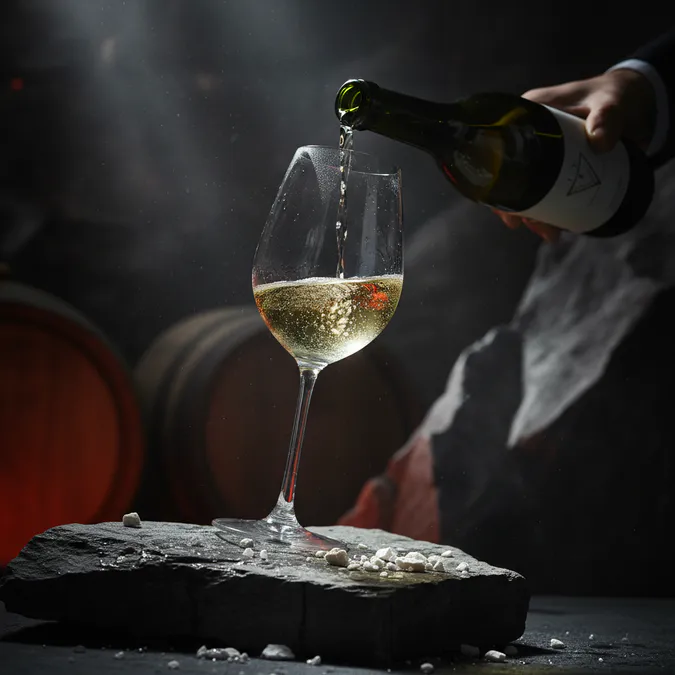
Mineral-driven Chardonnay from Chablis typically exhibits flavors of green apple, lemon, and white stone fruits, complemented by subtle herbaceous notes and a distinctive saline quality. The wines' high acidity and lean structure make them exceptionally food-friendly, pairing beautifully with seafood, poultry, and lighter preparations. This versatility has contributed to Chablis's enduring popularity among sommeliers and wine professionals worldwide.
Why Domaine William Fèvre Matters in Chablis
Domaine William Fèvre has been a cornerstone of Chablis production for generations, maintaining a reputation for consistency and quality across its portfolio. The house produces wines at multiple classification levels, from accessible Chablis to prestigious Grand Cru bottlings. This range allows consumers to experience the producer's philosophy and winemaking expertise at various price points.
The domain's recognition in major wine publications reflects its commitment to traditional winemaking methods combined with modern quality control. The house emphasizes minimal intervention in the cellar, allowing the wines' natural characteristics and terroir expression to shine through. This approach has made Domaine William Fèvre a go-to reference point for those seeking classic, authentic Chablis.
Chablis Wines in the Current Market
The current Chablis market offers exceptional opportunities for collectors and enthusiasts. Recent vintages have produced wines of outstanding quality, with favorable growing conditions in several years creating bottles with excellent balance and aging potential. Simultaneously, the region's reputation continues to grow internationally, making now an ideal time to explore and acquire quality examples.
Pricing in the Chablis market remains relatively reasonable compared to other prestigious Burgundy regions, particularly for Premier Cru and Grand Cru selections. This accessibility, combined with the wines' quality and food-friendliness, makes Chablis an intelligent choice for building a diverse wine collection. Whether seeking wines for immediate enjoyment or long-term cellaring, the current market presents compelling options.
Selecting Chablis Wines for Your Collection
When choosing Chablis wines, consider your intended use and timeline for consumption. Entry-level Chablis and Petit Chablis are best enjoyed within two to three years of release, offering immediate gratification and everyday versatility. Premier Cru selections typically benefit from two to five years of aging, developing greater complexity while remaining approachable. Grand Cru Chablis, particularly from excellent vintages, can age for ten years or longer, developing deeper mineral notes and subtle oxidative characteristics.
Vintage variation plays an important role in Chablis quality. Cooler years tend to produce wines with higher acidity and more pronounced minerality, while warmer vintages may yield slightly riper fruit characteristics. Understanding recent vintage patterns helps guide purchasing decisions and ensures you select bottles that align with your preferences and cellaring plans.
Food Pairing Opportunities with Chablis Wines
Chablis's crisp acidity and mineral character make it exceptionally versatile at the table. The wines pair beautifully with oysters and other raw shellfish, a classic combination that highlights the wines' saline qualities. Grilled fish, particularly halibut or sea bass, benefits from Chablis's refreshing acidity and subtle complexity. Lighter poultry preparations, such as roasted chicken or turkey, also showcase the wines' food-friendly nature.
Beyond seafood and poultry, Chablis works well with vegetable-forward dishes, particularly those featuring asparagus, artichokes, or other green vegetables. The wines' mineral notes complement earthy flavors, while their acidity cuts through richer preparations. This versatility makes Chablis an excellent choice for wine lovers seeking bottles that work across diverse culinary contexts.
Exploring Producer Diversity in Chablis
While Domaine William Fèvre represents an excellent entry point into quality Chablis, the region hosts numerous respected producers, each bringing individual perspectives to winemaking. Exploring different houses allows you to discover subtle variations in style while deepening your understanding of how terroir and winemaking philosophy influence the final product.
Many smaller, family-owned domains produce exceptional Chablis that rival larger houses in quality while offering unique character. These producers often focus on specific vineyard sites, creating bottlings that showcase particular terroir expressions. Seeking out these diverse producers enriches your wine experience and supports the region's winemaking heritage.
Key Takeaways
The recognition of quality Chablis producers like Domaine William Fèvre reflects the region's continued excellence and the wines' enduring appeal to discerning consumers. Whether you're building a wine collection, seeking food-friendly bottles for entertaining, or simply exploring fine wine, Chablis offers exceptional value and distinctive character. The current market presents an ideal opportunity to discover and acquire these mineral-driven Chardonnays that represent the pinnacle of cool-climate winemaking. By understanding the region's classification system, terroir characteristics, and producer philosophies, you can make informed selections that bring genuine pleasure to your table and cellar.
Frequently Asked Questions about Chablis Wines
What are Chablis wines known for?
Chablis wines are renowned for their crisp acidity, mineral-driven character, and pure expression of terroir, primarily made from Chardonnay grapes.
How should I store Chablis wines?
Chablis wines should be stored in a cool, dark place, ideally at a consistent temperature between 50-55°F (10-13°C), and kept upright to avoid cork damage.
What foods pair well with Chablis wines?
Chablis wines pair excellently with seafood, poultry, and vegetable-forward dishes, enhancing the flavors of the food with their mineral notes and acidity.
Where can I find more information on Chablis wines?
For more details, consider visiting reputable wine publications or websites that specialize in wine education, such as Wine Spectator or Decanter.