Clos Henri Vineyard: Pioneering Sustainable Vineyard Practices in Marlborough
Located in the renowned Marlborough wine region, Clos Henri Vineyard is pioneering a holistic approach to wine production that transcends traditional agricultural methods. By focusing on sustainable vineyard practices, Clos Henri integrates French terroir principles with Māori environmental wisdom and cutting-edge technology to create wines that are both high-quality and environmentally conscious.
Sustainable Vineyard Practices

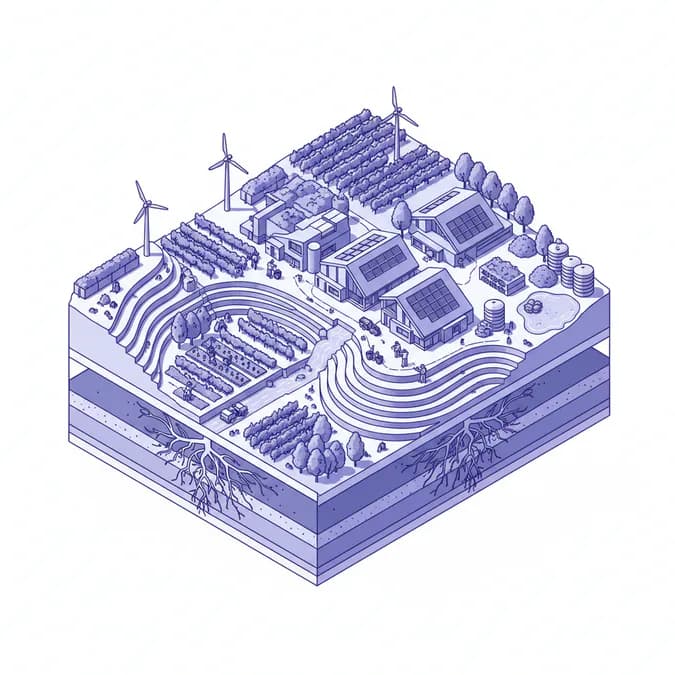
The vineyard has implemented comprehensive strategies to minimize environmental impact, focusing on:
- Organic farming techniques that enhance soil health and biodiversity.
- Reduced chemical intervention to protect local ecosystems.
- Soil health preservation through sustainable viticulture practices that ensure long-term productivity.
- Water conservation methods that utilize rainwater harvesting and efficient irrigation systems.
- Cover cropping to prevent soil erosion and enhance nutrient cycling.
- Integrated pest management strategies that promote natural predators and reduce reliance on pesticides.
- Use of renewable energy sources, such as solar panels, to power vineyard operations.
- Community engagement initiatives that educate and involve local stakeholders in sustainability efforts.
These sustainable vineyard practices not only contribute to the health of the environment but also enhance the quality of the wines produced.
French and Māori Environmental Principles
By combining French terroir concepts with Māori te taiao (environmental) principles, Clos Henri creates a unique approach to vineyard management that respects both cultural and ecological systems. This integration of sustainable vineyard practices reflects a commitment to environmental stewardship and cultural heritage.
Technology's Role in Biodiversity
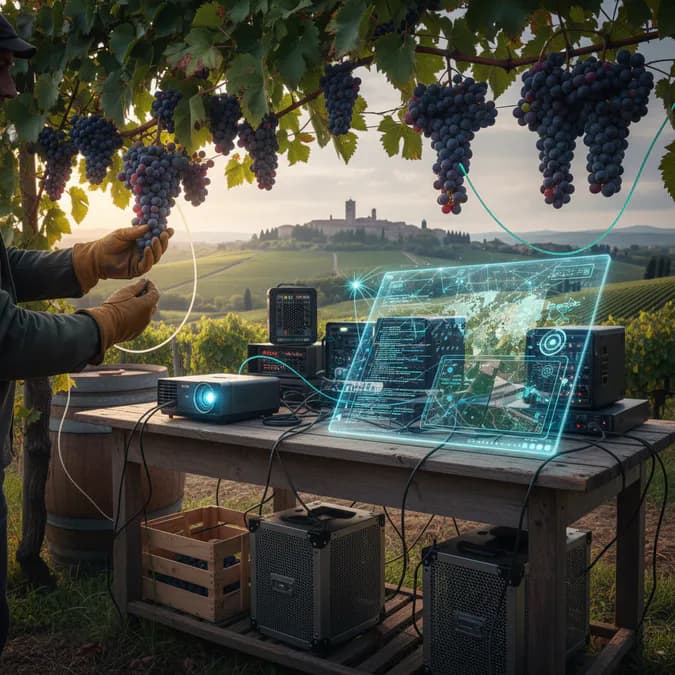
Local tech startups are helping Clos Henri enhance vineyard biodiversity through innovative monitoring and conservation technologies. These advancements allow for better management of resources and improved ecological outcomes, showcasing how technology can support sustainable vineyard practices. For instance, precision agriculture tools help optimize resource use, leading to lower environmental impact.
Future of Sustainable Wine Production
Clos Henri represents a model for future wineries, demonstrating that environmental stewardship and high-quality wine production can coexist harmoniously. As the demand for sustainable wines grows, Clos Henri sets an example for others in the industry to follow, proving that sustainable vineyard practices are not only beneficial for the planet but also for the business.
Key Takeaways
- Clos Henri Vineyard is at the forefront of sustainable vineyard practices in Marlborough.
- The integration of French and Māori principles enhances both ecological and cultural respect.
- Innovative technology plays a crucial role in promoting biodiversity and sustainability in the vineyard.
- Community involvement is essential for the success of sustainable initiatives.
FAQ Section
What are sustainable vineyard practices?
Sustainable vineyard practices involve methods that minimize environmental impact, such as organic farming, reduced chemical use, and soil health preservation.
How does Clos Henri Vineyard implement sustainability?
Clos Henri Vineyard combines traditional French techniques with Māori environmental principles and uses technology to enhance biodiversity and reduce chemical interventions.
Why are sustainable practices important in wine production?
Sustainable practices are crucial for protecting the environment, ensuring the health of ecosystems, and producing high-quality wines that meet consumer demand for environmentally friendly products.
Sources
- Rural News Group - This source provides insights into the innovative practices at Clos Henri Vineyard and their commitment to sustainability.
- Wine Institute - Offers information on sustainable winegrowing practices and their importance in the industry.
By focusing on sustainable vineyard practices, Clos Henri Vineyard not only enhances the quality of its wines but also contributes positively to the environment, setting a standard for the future of wine production.