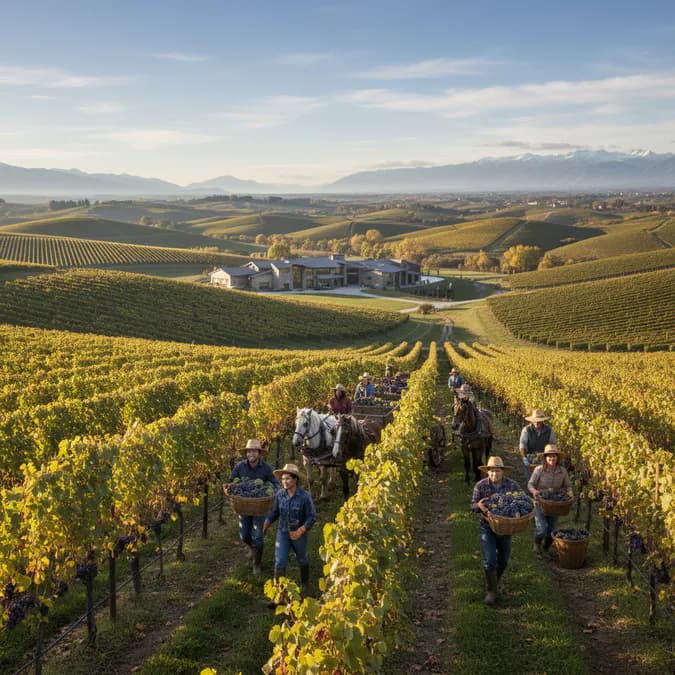
The Rise of Cold Climate Viticulture
In recent decades, the wine industry has seen a significant shift as producers explore regions that were once considered too cold for viticulture. This trend is largely driven by climate change, which has altered traditional growing seasons and allowed for the cultivation of grapes in northern latitudes. According to a report by the MSN, this expansion is not just a trend but a necessary adaptation for the wine industry.
The Role of Hybrid Grapes
Hybrid grapes have played a crucial role in the success of cold climate viticulture. These grapes are bred to withstand lower temperatures and resist diseases that are more prevalent in cooler climates. As a result, they offer winemakers a viable option for producing high-quality wines in regions that were previously unsuitable for grape growing. Notable hybrids include:
- Marquette: A red hybrid grape known for its fruity flavors and adaptability.
- La Crescent: A white hybrid grape that produces aromatic wines with floral notes.
- Frontenac: A versatile red grape that thrives in cold climates and is used for both dry and sweet wines.
Unexpected Wine Destinations
As cold climate viticulture continues to grow, several unexpected destinations are emerging as must-visit locations for wine enthusiasts:
- Canada: Regions like the Okanagan Valley and Niagara Peninsula are gaining recognition for their exceptional ice wines and cool-climate varietals.
- Germany: The northern regions of Germany, such as Sachsen and Saale-Unstrut, are producing remarkable wines from Riesling and other varietals.
- Sweden: With a focus on sustainability, Swedish wineries are crafting unique wines from hybrid grapes, showcasing the potential of this northern region.
- Finland: Emerging as a new frontier, Finnish wineries are experimenting with cold-hardy grapes, creating a niche market for their products.
Conclusion
The rise of cold climate viticulture is reshaping the global wine landscape, presenting exciting opportunities for both producers and consumers. As climate change continues to influence grape growing conditions, unexpected destinations are becoming the new hotspots for wine lovers. Exploring these regions not only supports innovative winemakers but also allows enthusiasts to experience unique flavors and styles that are redefining the wine experience.