
The Impact of Cold Weather on Vineyards

A cold snap can be particularly devastating for vineyards, especially during critical growth stages. Grapevines are sensitive to temperature fluctuations, and a sudden drop in temperature can lead to frost damage. This is especially true in the spring when buds are beginning to break dormancy. When temperatures fall below freezing, the delicate buds can be killed, which directly affects the yield for the upcoming harvest. This cold snap has raised concerns among local growers and industry experts alike.
In the recent cold snap, many vineyards reported that the frost not only damaged the grapevines but also affected other crops in the region. The loss of cherries, blackberries, and apples could have a cascading effect on local markets, as these fruits are often used in wine production and other value-added products.
Local Growers Report Significant Losses Due to Cold Snap
Local growers have expressed their concerns over the extent of the damage caused by the cold snap. Reports indicate that some vineyards have lost up to 50% of their expected yield for the season. This loss is particularly alarming for small-scale producers who rely heavily on their harvest to sustain their businesses. Industry experts note that the repercussions of such losses
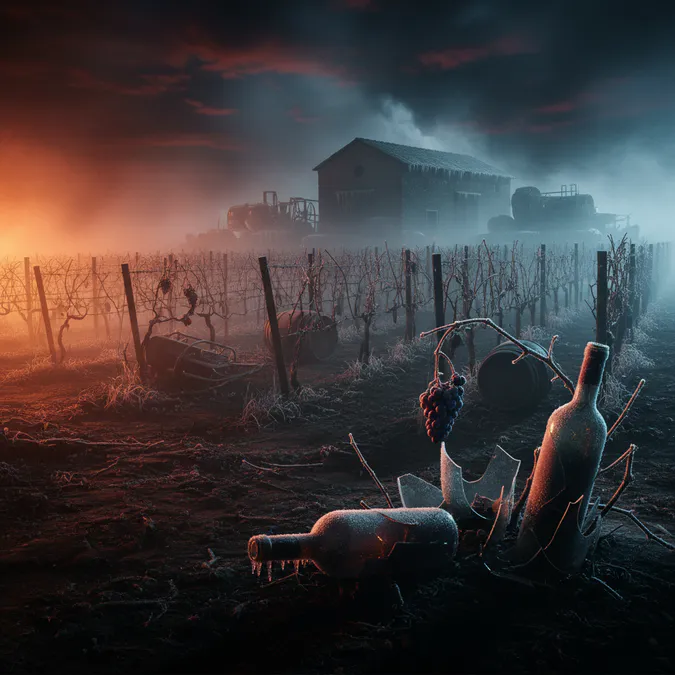
- Cherries: Many cherry orchards reported complete crop failures due to the frost, which could lead to higher prices in the market.
- Blackberries: Similar to cherries, blackberry crops experienced severe damage, impacting both fresh fruit sales and wine production.
- Apples: Apple orchards also faced significant losses, which could affect cider production and other apple-based products.
Implications for Wine Production Following the Cold Snap
The repercussions of this cold snap extend beyond immediate crop losses. The reduction in fruit availability can lead to increased prices for wine, as producers may need to source grapes from other regions or face lower production levels. This could also lead to a shift in the types of wines available in the market, as certain varietals may become scarce. Consumers may find themselves facing higher prices for their favorite wines.
Moreover, the quality of the grapes that do survive may be compromised due to stress from the cold. Grapes that experience frost damage can develop undesirable characteristics, which can affect the flavor profile of the wine. As a result, consumers may notice changes in their favorite wines, leading to potential dissatisfaction and a shift in purchasing habits.
Market Reactions and Consumer Impact from the Cold Snap
The wine market is highly sensitive to changes in supply and demand. As local growers face losses, the prices of wine could increase, impacting consumers. Wine enthusiasts may find that their favorite bottles are not only harder to find but also more expensive. This situation could lead to a broader discussion about sustainability and the importance of supporting local producers.
Additionally, the cold snap has sparked conversations about climate change and its impact on agriculture. As weather patterns become more unpredictable, growers may need to adapt their practices to mitigate risks associated with extreme weather events. Research indicates that adapting to climate change is essential for the long-term sustainability of the wine industry.
Mitigation Strategies for Growers Facing Cold Snaps
In light of the recent cold snap, local growers are considering various strategies to protect their crops from future frost damage. Some of these strategies include:
- Frost Protection Techniques: Growers can employ techniques such as wind machines, heaters, and irrigation to create a microclimate that protects vines from frost.
- Site Selection: Choosing vineyard locations that are less prone to frost can help mitigate risks. Higher elevations or areas with good air drainage are often more favorable.
- Varietal Selection: Planting grape varieties that are more resilient to cold temperatures can also be a viable strategy for long-term sustainability.
The Bottom Line on Cold Snap Effects
The recent cold snap on the East Coast has left local vineyards and orchards reeling from significant losses. As growers assess the damage and consider mitigation strategies, the implications for the wine industry and produce markets are becoming increasingly clear. Consumers may face higher prices and changes in the availability of their favorite wines, prompting a need for greater awareness and support for local producers.
As the industry adapts to these challenges, it is crucial for consumers to remain engaged and informed about the factors affecting their wine choices. Supporting local wineries and understanding the impact of climate on agriculture can help foster a more resilient and sustainable wine industry.
Key Takeaways
- The recent cold snap has significantly impacted local vineyards and orchards.
- Local growers report losses of up to 50% in expected yields.
- Consumers may face higher prices and changes in wine availability.
- Mitigation strategies are essential for protecting crops from future cold snaps.
FAQ
What is a cold snap?
A cold snap refers to a sudden and brief period of cold weather, which can be particularly damaging to crops, especially during critical growth stages.
How does a cold snap affect vineyards?
A cold snap can cause frost damage to grapevines, leading to reduced yields and compromised grape quality, which ultimately affects wine production.
What can growers do to protect their crops from cold snaps?
Growers can implement frost protection techniques, select appropriate vineyard sites, and choose grape varieties that are more resilient to cold temperatures.
Additional Resources
For more information on protecting vineyards from cold snaps, consider visiting USDA's resources or Wine Institute.
Table of Contents
- The Impact of Cold Weather on Vineyards
- Local Growers Report Significant Losses Due to Cold Snap
- Implications for Wine Production Following the Cold Snap
- Market Reactions and Consumer Impact from the Cold Snap
- Mitigation Strategies for Growers Facing Cold Snaps
- The Bottom Line on Cold Snap Effects
- Key Takeaways
- FAQ
- Additional Resources