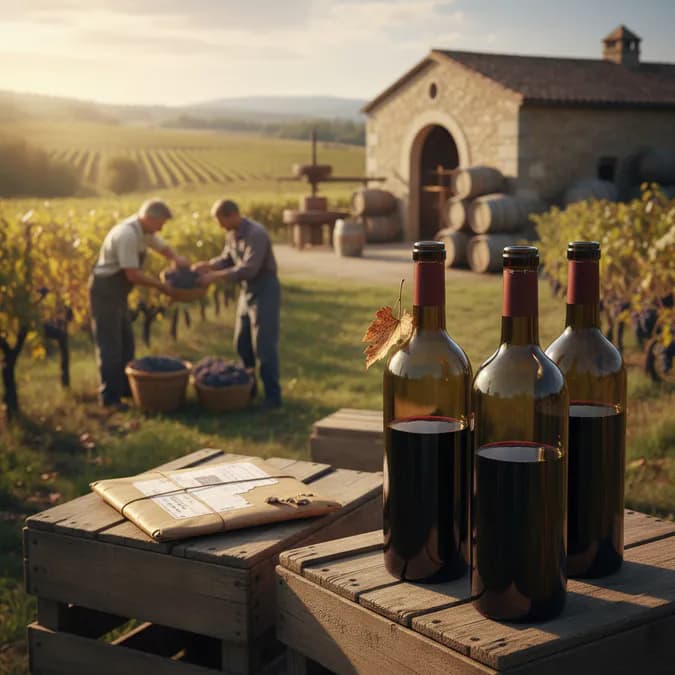
Overview of the Decline


The direct shipment of wine has faced unprecedented challenges, with reports indicating a historic decline in shipments. This downturn can be attributed to a combination of factors, including regulatory changes, shifts in consumer behavior, and the ongoing effects of the COVID-19 pandemic. As consumers increasingly turn to online shopping, the complexities of shipping regulations across state lines have made it difficult for vineyards to maintain their direct sales channels. According to a recent study by the Wine Institute, direct wine shipments fell by 25% in the last year alone, highlighting the urgency for vineyard owners to adapt.
Impact on Vineyard Owners
Vineyard owners have been significantly affected by this decline. Dan Panella, co-owner of Oak Farm Vineyards in California's Lodi region, has expressed concerns about the long-term viability of small and medium-sized wineries. "The decline in direct shipments has forced many vineyar

The challenges faced by vineyard owners include:
- Loss of revenue streams due to decreased direct sales.
- Increased competition from larger wine distributors.
- Challenges in maintaining customer relationships without direct contact.
A survey conducted by the National Association of Wine Retailers found that 60% of small wineries reported a significant drop in sales, emphasizing the need for innovative solutions.
Adaptation Strategies for Direct Wine Shipments
In response to these challenges, vineyard owners are implementing various adaptation strategies to navigate the changing market landscape. Some of these strategies include:
- Enhancing Online Presence: Many vineyards are investing in their online platforms to facilitate e-commerce and improve customer engagement. This includes optimizing websites for search engines and utilizing social media effectively.
- Exploring New Distribution Channels: Vineyard owners are seeking partnerships with local restaurants and retailers to expand their reach. Collaborations with delivery services are also becoming increasingly common.
- Innovative Marketing Campaigns: Creative marketing efforts, such as virtual tastings and wine clubs, are being utilized to maintain customer interest. Engaging storytelling about the vineyard's history and wine-making process can enhance consumer connection.
These strategies are crucial for sustaining the business in a rapidly evolving market. As Dan Panella notes, "Adapting to the current climate is not just about survival; it's about thriving in a new environment. We must be proactive and innovative to keep our vineyards alive." Industry experts note that these strategies can significantly improve the chances of success for vineyard owners.
Key Takeaways
The decline in direct wine shipments presents significant challenges for vineyard owners like Dan Panella. However, through strategic adaptations and a focus on consumer engagement, there is hope for recovery and growth in the wine industry. Implementing innovative marketing strategies and enhancing online presence are essential for navigating this decline.
FAQ Section
Q1: What are direct wine shipments?
A1: Direct wine shipments refer to the process of sending wine directly from wineries to consumers, bypassing traditional retail channels.
Q2: Why have direct wine shipments declined?
A2: The decline is due to regulatory changes, shifts in consumer behavior, and the impact of the COVID-19 pandemic, which has complicated shipping regulations.
Q3: What can vineyard owners do to adapt to this decline?
A3: Vineyard owners can enhance their online presence, explore new distribution channels, and implement innovative marketing campaigns to engage consumers effectively.