Early Harvest: 7 Proven Impacts of Climate Change on South Africa Vineyards
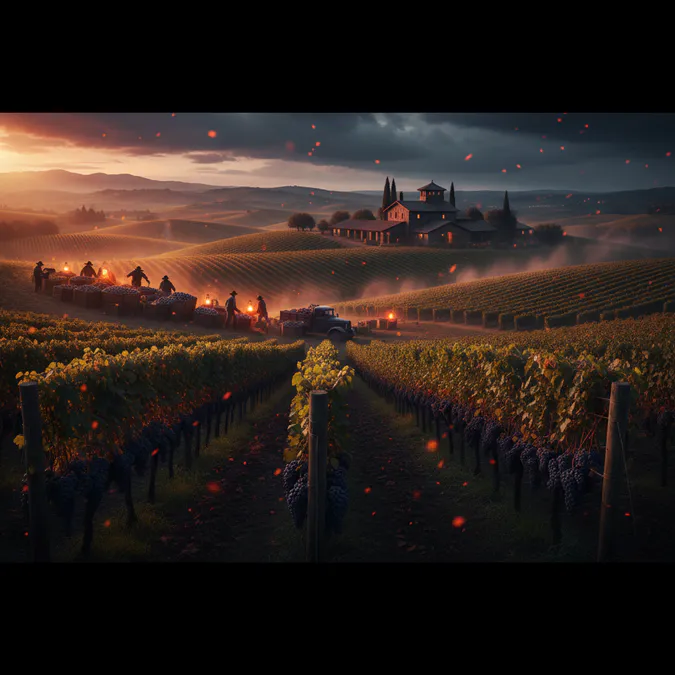
Harvests Arriving Weeks Earlier in South Africa Vineyards
Explore the significant impacts of climate change on early harvests in South Africa's vineyards and the adaptive strategies employed by winemakers.
The South African wine industry, renowned for its rich history and diverse terroir, is facing a significant challenge: climate change. Vineyards in the Western Cape are experiencing early harvests, arriving weeks earlier than historically normal, a trend confirmed by data from Stellenbosch University. This shift is forcing winemakers to adapt their practices to maintain the quality and character of their wines. Understanding the causes and consequences of this phenomenon is crucial for the future of South African wine.
This year's harvest is among the earliest on record, raising concerns about the long-term sustainability of traditional winemaking methods. The accelerated ripening of grapes can lead to imbalances in sugar and acid levels, affecting the final taste and structure of the wine. Research indicates that these changes may have lasting effects on the industry.
The Impact of Climate Change on South African Vineyards
Climate change manifests in various ways, all of which affect viticulture. Rising temperatures, altered rainfall patterns, and increased frequency of extreme weather events are all contributing to the early harvests in South Africa. These changes disrupt the natural growth cycle of grapevines, leading to several challenges:
Accelerated Ripening: Higher temperatures speed up the ripening process, causing grapes to reach optimal sugar levels earlier in the season. This can result in wines with higher alcohol content and lower acidity.
Water Scarcity: The Western Cape has experienced severe droughts in recent years, putting immense pressure on water resources. Vineyards rely heavily on irrigation, and water scarcity can limit grape production and quality.
Increased Pest and Disease Pressure: Warmer temperatures can create favorable conditions for pests and diseases, requiring winemakers to use more pesticides and fungicides.
Altered Terroir Expression: Climate change can alter the unique characteristics of a region's terroir, affecting the flavor profiles of the wines produced there.
Adapting to the New Reality: Strategies for Winemakers
Faced with these challenges, South African winemakers are implementing various strategies to mitigate the effects of climate change and ensure the long-term viability of their vineyards. These strategies include:
Changing Grape Varieties: Some winemakers are experimenting with grape varieties that are more heat-tolerant and drought-resistant. Varieties like Grenache, Mourvèdre, and Verdel
ho are being explored as alternatives to traditional varieties like Cabernet Sauvignon and Sauvignon Blanc.
Adjusting Viticultural Practices: Winemakers are adapting their pruning, canopy management, and irrigation techniques to optimize grape ripening and water use efficiency. This includes practices like shading grapes to reduce sun exposure and using deficit irrigation to conserve water.
Investing in Water Management: Implementing water-saving technologies, such as drip irrigation and rainwater harvesting, is crucial for ensuring a sustainable water supply. Some wineries are also exploring alternative water sources, such as treated wastewater.
Embracing Sustainable Farming Practices: Sustainable farming practices, such as organic and biodynamic viticulture, can improve soil health, reduce reliance on synthetic inputs, and enhance the resilience of vineyards to climate change.
Research and Innovation: Ongoing research is essential for understanding the complex interactions between climate change and viticulture. Stellenbosch University and other research institutions are conducting studies to identify the best adaptation strategies for South African vineyards.
The Future of South African Wine
The early harvest trend in South Africa is a stark reminder of the urgent need to address climate change. While the challenges are significant, the South African wine industry is demonstrating resilience and innovation in its efforts to adapt. By embracing sustainable practices, investing in research, and collaborating across the industry, South African winemakers can ensure a vibrant and sustainable future for their wines. The commitment to quality and adaptation will be crucial in maintaining South Africa's position as a world-class wine producer.
Key Takeaways
Climate change is causing earlier harvests in South African vineyards, particularly in the Western Cape.
This early harvest impacts grape ripening, water availability, and pest/disease pressure.
Winemakers are adapting by changing grape varieties, adjusting viticultural practices, and investing in water management.
Sustainable farming and ongoing research are crucial for the future of South African wine.
The Bottom Line
The South African wine industry faces a critical juncture. The early harvests driven by climate change demand proactive and innovative solutions. The industry's response will determine its long-term success and its ability to continue producing high-quality wines that reflect the unique terroir of the Western Cape.
Frequently Asked Questions (FAQ)
What is causing early harvests in South Africa? Early harvests in South Africa are primarily caused by climate change, which leads to rising temperatures and altered weather patterns.
How are winemakers adapting to climate change? Winemakers are adapting by changing grape varieties, adjusting viticultural practices, and investing in sustainable water management.
What impact does climate change have on wine quality? Climate change can lead to imbalances in sugar and acid levels in grapes, affecting the taste and structure of the wine.
For further reading, check out resources from Wine.co.za and Stellenbosch Wine for insights into the evolving landscape of South African viticulture.
Explore the 2025 Montalcino harvest, an excellent vintage expected despite lower yields. Discover its implications for collectors and wine enthusiasts.
Discover essential insights into Burgundy wine, including its terroir, grape varietals, and vintage variations for a deeper appreciation of this exquisite wine.