
Fine wine investment has consolidated its role within the portfolios of US investors, maturing rapidly as an attractive asset class. What was once considered merely a luxury indulgence or collector's passion has transformed into a strategic wealth-building tool for high-net-worth individuals and institutional investors alike. The market for fine wine is experiencing accelerated growth, driven by improved liquidity, better tracking mechanisms, and compelling returns that rival traditional investments.
The Evolution of Fine Wine as an Asset Class
Fine wine investment involves purchasing high-quality, age-worthy wines from prestigious regions like Bordeaux, Burgundy, and Champagne, as well as emerging areas such as California, South Africa, and Italy. The expectation is that these wines will appreciate in value over time due to limited supply, increasing global demand, and natural scarcity as bot
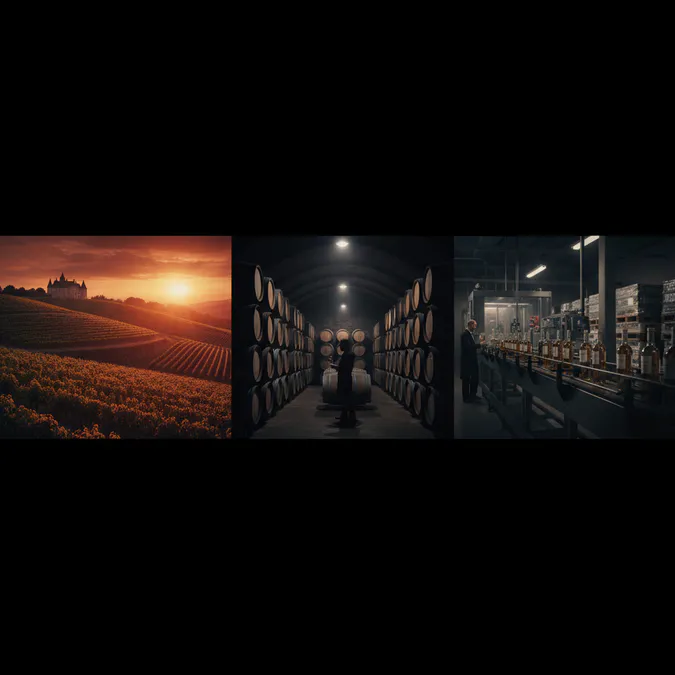
Historically, fine wine occupied a niche position in wealth portfolios, often viewed as a passion asset rather than a serious investment vehicle. However, the landscape has shifted dramatically. According to the WineCap 2026 Wealth Report cited by The Drinks Business, 33% of committed US investors now allocate 21-30% of their total wealth to fine wine. This represents a fundamental shift in how investors view wine—not as a novelty, but as a core portfolio component.
The transformation reflects broader changes in the investment world. As traditional asset classes face headwinds from volatility and inflation concerns, investors are seeking alternatives that offer both tangible value and portfolio diversification. Fine wine fits this requirement perfectly, offering characteristics that distinguish it from stocks, bonds, and other conventional investments.
From Cellar to Balance Sheet
The shift from viewing wine as a personal collection to treating it as a balance sheet asset represents a significant evolution. Investors are increasingly recognizing that fine wine serves multiple purposes simultaneously: it can be enjoyed, it provides portfolio diversification, and it appreciates over time. This multi-dimensional value proposition has accelerated adoption among sophisticated investors seeking to optimize their wealth allocation strategies.
Market Performance and Returns
The financial case for fine wine investment rests on compelling performance data. Leading fine wine indices have delivered 8-10% annualized returns over the past 15 years, according to the Moore Global Wine Report 2025. More impressively, these returns have come with lower volatility than equities, making wine an attractive diversification tool.
Liv-ex, the leading exchange for fine wine trading, provides real-time performance tracking through its indices. Recent data shows that fine wine delivered 25.68% in two-year returns, outperforming both gold and crude oil during the same period. This performance is particularly noteworthy because it demonstrates wine's resilience during periods of economic uncertainty and market stress.
The Knight Frank Wealth Report from 2022 identified fine wine as the top-performing passion asset, with 16% average growth in 2021. This ranking placed wine ahead of other collectibles and luxury assets, underscoring its investment credentials. Burgundy and Champagne have led growth trajectories, though California wines are gaining prominence as US investors increasingly focus on domestic and North American producers.
Volatility-Adjusted Performance
When comparing fine wine to traditional investments on a volatility-adjusted basis, the asset class demonstrates superior risk-adjusted returns. This means that investors receive better returns per unit of risk taken, making wine an efficient allocation for those seeking to optimize their portfolio's risk-return profile. The combination of steady appreciation and lower volatility creates a compelling investment case that appeals to conservative and aggressive investors alike.
Why US Investors Are Allocating to Fine Wine
Several factors are driving the rapid adoption of fine wine among US investors. First, fine wine offers low correlation to traditional markets. Unlike stocks and bonds, which often move in tandem during market stress, fine wine has demonstrated independent price movements. This characteristic makes it an effective hedge against portfolio volatility.
Second, fine wine serves as an inflation hedge. As the purchasing power of currency declines, tangible assets like fine wine tend to appreciate. This is particularly relevant in the current economic environment, where inflation concerns persist. Wine's scarcity—particularly for older vintages from prestigious producers—ensures that supply cannot expand to meet demand, supporting price appreciation over time.
Third, the infrastructure supporting wine investment has matured significantly. Professional storage facilities, provenance tracking systems, and trading exchanges have eliminated many of the friction points that previously made wine investment cumbersome. Investors no longer need to physically store bottles in their homes or worry about authentication and condition verification.
Strategic Allocation Trends
According to analysts at Moore Global, "Fine wine is becoming part of the real conversation around allocation — not as a novelty, but as a strategic response to volatility, inflation and asset fatigue." This sentiment reflects a fundamental recognition that wine has earned its place in serious investment discussions. Portfolio managers are increasingly recommending wine allocations as part of comprehensive wealth strategies, particularly for investors with longer time horizons and higher risk tolerance.
The post-correction pricing environment has created attractive entry points for new investors. Following the 2022 market correction, fine wine prices adjusted downward, creating opportunities for investors to build positions at more favorable valuations. This timing has coincided with increased awareness of wine's investment potential, driving a wave of new capital into the asset class.
The Infrastructure Supporting Wine Investment
The professionalization of fine wine investment has been crucial to its growth. Liv-ex operates as the primary exchange for fine wine trading, providing transparent pricing, liquidity, and a marketplace where investors can buy and sell bottles with confidence. The platform tracks performance through indices that serve as benchmarks for the broader market.
Beyond exchanges, several specialized firms have emerged to serve wine investors. Sommelier Capital, an investment firm focused on wine, notes that "The great wines of France, Italy, Spain, Australia and California have been sought-after collectibles for many decades. With the recent proliferation of trading exchanges... a new asset class is born—and it offers long-term, attractive returns for qualified investors."
Storage and Provenance
Professional storage providers ensure that wines are maintained in optimal conditions, with temperature and humidity controls that preserve quality and value. These facilities also provide insurance and security, addressing concerns that previously deterred investors from holding wine. The ability to store wine professionally removes a significant barrier to entry for investors who lack appropriate home storage conditions.
Provenance tracking has become increasingly sophisticated, with detailed records documenting a bottle's ownership history, storage conditions, and authenticity. This transparency reduces fraud risk and increases investor confidence. When combined with professional grading and condition assessment, these systems have created the infrastructure necessary for wine to function as a legitimate asset class.
Trading Platforms and Accessibility
The emergence of digital platforms has democratized access to fine wine investment. These platforms handle authentication, storage, insurance, and trading, allowing investors to participate without managing logistics directly. The improved liquidity provided by these platforms means that investors can enter and exit positions more easily than in previous decades, when wine investment required direct relationships with merchants and auction houses.
Getting Started with Fine Wine Investment
For investors considering fine wine allocation, several approaches are available. Direct ownership involves purchasing bottles through auction houses, wine merchants, or exchanges like Liv-ex. This approach offers full control but requires knowledge about regions, producers, and vintages.
Alternatively, investors can access fine wine through specialized investment vehicles. Companies like Vinovest and Cult Wines offer platforms that simplify wine investment, providing curated selections, professional storage, and portfolio management services. These platforms democratize access to fine wine investment, allowing investors to begin with smaller capital commitments.
Key Principles for Wine Investment Success
Regardless of approach, successful wine investment requires understanding key principles:
- Focus on established regions and producers with proven track records. Bordeaux, Burgundy, and Champagne remain the foundation of most wine portfolios, though California wines are increasingly relevant for US investors seeking domestic exposure.
- Consider vintage variation. Not all years produce equally high-quality wines. Understanding which vintages from specific producers offer the best value is crucial for maximizing returns.
- Think long-term. Fine wine investment is not a short-term trading strategy. The best results come from holding quality bottles for extended periods, allowing them to mature and appreciate. This aligns with wine's fundamental characteristics as a tangible asset that improves with age.
- Diversify across regions and producers. Just as with traditional investments, concentration risk applies to wine portfolios. Spreading investments across multiple regions and producers reduces the impact of any single underperformer.
- Monitor market trends. Understanding shifts in global demand, emerging regions, and collector preferences helps investors make informed allocation decisions.
Historical Resilience and Recovery
Wine Investment.com analysts emphasize that "Fine wine has consistently recovered and appreciated after downturns, reinforcing its role as a stable long-term asset." This historical resilience provides confidence that wine can weather economic cycles and deliver returns over extended holding periods. Investors who maintained their wine positions through previous market corrections have been rewarded with appreciation as markets recovered.
The Bottom Line
Fine wine has matured from a luxury indulgence into a legitimate investment asset class that deserves consideration within diversified portfolios. With 8-10% annualized returns, low correlation to traditional markets, and demonstrated resilience during economic downturns, fine wine offers compelling characteristics for wealth preservation and growth.
The infrastructure supporting wine investment has evolved dramatically, with professional exchanges, storage facilities, and specialized investment firms making it easier than ever for US investors to access this asset class. The WineCap 2026 Wealth Report's finding that 33% of committed US investors allocate 21-30% of their wealth to fine wine demonstrates that this is no longer a niche strategy—it's becoming mainstream.
As investors navigate an uncertain economic landscape marked by volatility and inflation concerns, fine wine represents a tangible alternative that has proven its worth. Whether through direct ownership or specialized investment platforms, fine wine deserves serious consideration as part of a comprehensive wealth strategy. The combination of attractive returns, portfolio diversification benefits, and inflation protection makes fine wine an increasingly important component of sophisticated investor portfolios.
Frequently Asked Questions
What is fine wine investment?
Fine wine investment involves purchasing high-quality wines that are expected to appreciate in value over time, providing a potential return on investment.
How much can I expect to earn from fine wine investment?
Investors can expect annualized returns of 8-10% based on historical performance data from leading fine wine indices.
What are the risks associated with investing in fine wine?
Like any investment, fine wine carries risks including market volatility, changes in consumer preferences, and potential issues with storage and provenance.
How do I get started with fine wine investment?
Investors can start by purchasing bottles directly or through specialized investment platforms that offer professional management and storage services.