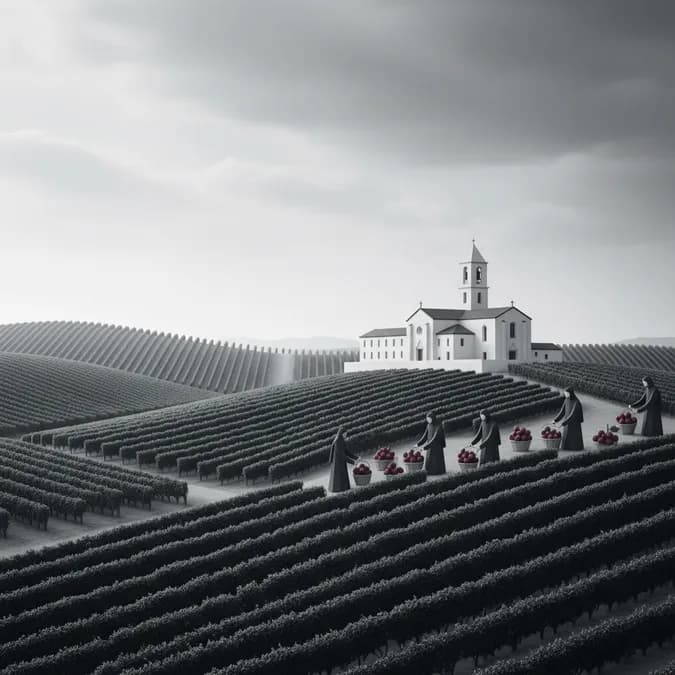
The intricate relationship between Catholic monasteries and monastic wine production represents a profound cultural phenomenon that has shaped European viticulture for centuries. Through meticulous cultivation and spiritual dedication, monks transformed winemaking from a simple agricultural practice into a sophisticated art form. This article delves into the historical roots, production techniques, and cultural legacy of monastic wine, highlighting its enduring influence on modern viticulture.
Historical Roots of Monastic Winemaking
Catholic monasteries emerged as critical centers of agricultural innovation during the Middle Ages. Monks recognized monastic wine not merely as a beverage but aa sacred element integral to religious ceremonies and community life. Their systematic approach to viticulture introduced groundbreaking techniques in grape cultivation, fermentation, and preservation.
Preservation of Knowledge
- Monasteries served as repositories of agricultural wisdom.
- Monks documented and refined winemaking techniques.
- Established some of Europe's most renowned wine regions.
Monks were not just winemakers; they were also scholars who meticulously recorded their methods and findings. This preservation of knowledge ensured that valuable techniques were passed down through generations, allowing for the continuous evolution of winemaking practices.
Monastic Wine Production Techniques
Monks developed extraordinary precision in monastic wine production, treating the process as both a scientific endeavor and a spiritual practice. Their methodical approach included:
- Careful selection of grape varieties.
- Meticulous vineyard management.
- Advanced fermentation processes.
- Sophisticated aging techniques.
These techniques were often tailored to the unique terroirs of their regions, allowing monks to produce wines that were not only of high quality but also reflective of their surroundings. The attention to detail in every step of the winemaking process contributed to the exceptional character of monastic wines.
Cultural Legacy of Monastery Wines
The influence of monastic wine production extends far beyond religious institutions. Many contemporary wine regions in France, Italy, and Germany trace their viticultural heritage directly to medieval monastery traditions. Authors like Emily Stimpson Chapman have illuminated these fascinating historical connections, emphasizing how monastic practices laid the groundwork for the diverse wine culture we enjoy today.
The Impact of Monastic Wine on Modern Viticulture
Statistics reveal that nearly 80% of the wine produced in France today can trace its origins back to monastic practices. This enduring legacy underscores the monks' pivotal role in shaping the wine industry. Their commitment to quality and innovation laid the groundwork for modern winemaking techniques. As a wine industry analyst, a historian specializing in viticulture, states, "The monks' dedication to their craft not only preserved ancient techniques but also inspired new methods that are still in use today. Their influence is undeniable in the world of wine."
Expert Insights on Monastic Wine
Experts agree that the contributions of monks to winemaking are invaluable. According to a wine industry analyst researcher, "Monastic wine production is a testament to the intersection of faith and agriculture. The monks' innovations have not only enriched our wine culture but also provided a model for sustainable practices in viticulture."
FAQs about Monastic Wine
Q: What is monastic wine?
A: Monastic wine refers to wines produced by monks in monasteries, often characterized by their spiritual significance and traditional production methods.
Q: How did monks contribute to winemaking?
A: Monks contributed to winemaking by developing innovative techniques, preserving agricultural knowledge, and establishing renowned wine regions.
Q: Are there modern wines that still follow monastic traditions?
A: Yes, many modern wineries in Europe still adhere to traditional methods established by monks, emphasizing quality and craftsmanship.
Key Takeaways
- Monasteries were pivotal in developing sophisticated winemaking techniques.
- Monastic wine production was viewed as both an agricultural and spiritual practice.
- Monastic traditions continue to influence modern viticulture.
The sacred relationship between monks and monastic wine represents a remarkable chapter in cultural history, demonstrating how spiritual dedication can transform agricultural practices into refined cultural expressions. The legacy of monastic wine continues to inspire winemakers around the world, ensuring that the traditions established centuries ago remain relevant in today’s wine industry.