
New Zealand's wine industry is welcoming the New Zealand 2026 vintage with cautious optimism as harvest activity accelerates across the country's major wine regions. The season has been marked by unusually early ripening in several areas, with Northland kicking off proceedings on January 23, 2026, setting the tone for what industry observers are calling potentially the earliest harvest season yet in many regions.
The early start reflects broader climate trends affecting New Zealand viticulture, where changing weather patterns have progressively shifted harvest dates forward in recent years. Despite these shifts, industry commentary has remained positive, with vineyard teams reporting good fruit condition, strong varietal expression, and generally favorable quality outcomes across diverse growing conditions.
Understanding New Zealand's 2026 Harvest Timeline
The New Zealand 2026 vintage represents a significant moment for New Zealand's wine sector, with harvest beginning earlier than historical norms in multiple regions. According to New Zealand Winegrowers, the industry body representing over 600 grower members and 700 win
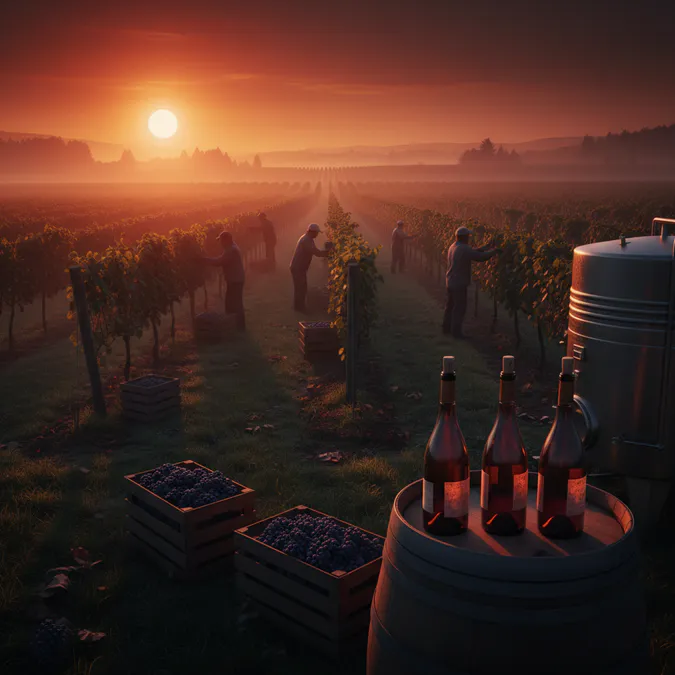
Northland led the charge, with harvest officially beginning on January 23, 2026. This early start in the northernmost wine region set expectations for the broader vintage across the country. The timing reflects a combination of factors including warm spells during the critical growing season, changing weather patterns, and the natural variation in ripening schedules across New Zealand's diverse terroirs.
Philip Gregan, CEO of New Zealand Winegrowers, emphasized the importance of this period, noting that "January to March are critical months for growing and ripening grapes." This window is when growers make crucial decisions about harvest timing, balancing sugar accumulation against acidity preservation and disease management.
The early harvest timing in 2026 has been driven by several interconnected factors:
- Warm spells during the growing season accelerating ripening cycles
- Changing weather patterns reflecting broader climate trends affecting New Zealand viticulture
- Uneven ripening conditions across different regions requiring staggered harvest schedules
- Natural variation in grape variety maturation rates and regional microclimates
Regional Ripening Patterns and Variability
New Zealand's wine regions don't harvest in unison. The country's geography creates distinct microclimates and growing conditions that result in staggered harvest schedules. Following Northland's January start, other major regions including Hawke's Bay, Marlborough, North Canterbury, and Central Otago followed on their own schedules, reflecting their unique growing conditions and grape varieties.
Marlborough and Northern Regions
Marlborough, New Zealand's largest wine region by production volume, represents a critical component of the 2026 vintage. The region is world-renowned for Sauvignon Blanc, though Pinot Noir, Chardonnay, and aromatic whites also play important roles in the region's portfolio. Hawke's Bay, another major region, similarly contributes significantly to New Zealand's wine output with its own blend of varieties and styles.
These northern and central regions benefit from relatively warmer growing conditions that support the development of ripe fruit flavors while maintaining the acidity that defines New Zealand's signature wine styles. The 2026 vintage in these regions has been characterized by good fruit condition and strong varietal expression, according to industry reports.
Central Otago and Southern Regions
Central Otago, located in the South Island's Otago region, typically harvests later than northern areas due to its cooler climate and higher altitude. This region has become increasingly important for premium Pinot Noir production, and its later harvest schedule allows for extended hang time and flavor development in cooler conditions.
The later harvest in Central Otago provides a natural experiment in how extended growing seasons affect wine quality. Late-harvested blocks in the 2026 vintage have reportedly performed particularly well, suggesting that the cool, extended growing season benefited fruit development in these cooler regions.
Industry-Wide Harvest Confirmation
Babich Wines, one of New Zealand's established wine producers, confirmed harvest activity across multiple regions including Auckland, Hawke's Bay, and Marlborough, underscoring the industry-wide momentum of the 2026 vintage. This broad-based harvest activity demonstrates the scale and coordination required to manage vintage 2026 across the country's diverse growing zones.
The regional diversity of New Zealand's wine production means that the 2026 vintage will showcase multiple expressions of the country's key varieties, from the crisp Sauvignon Blancs of Marlborough to the elegant Pinot Noirs of Central Otago.
Weather Conditions and Their Impact on Wine Quality
Weather is perhaps the most significant determinant of both harvest timing and final wine quality. The 2026 vintage has been characterized by variable conditions that have influenced ripening speed, sugar accumulation, acidity levels, and disease pressure across different regions.
Cool Growing Season and Flavor Development
Cameron Douglas MS, an independent wine writer and commentator, provided detailed analysis of the 2026 harvest conditions. According to Douglas, "The 2026 vintage was defined by a cool, extended growing season that allowed for slow, even ripening and exceptional flavour development." This assessment suggests that despite the early harvest timing, the growing season itself provided favorable conditions for quality fruit development.
The cool, extended growing season is particularly valuable for premium wine production because it allows grapes to develop complex flavors while maintaining natural acidity. This balance is especially important for New Zealand's signature Sauvignon Blancs and Pinot Noirs, which rely on fresh acidity and aromatic complexity rather than high alcohol content.
Sugar Levels and Flavor Balance
One notable characteristic of the 2026 vintage has been moderate sugar levels. Unnamed vineyard team sources quoted by Douglas noted that "Sugar levels were on the lower side this year, but fruit flavours were good and the late blocks in particular performed well." This balance between moderate sugars and strong flavor expression is often desirable in premium winemaking, as it allows for wines with good acidity and freshness rather than high alcohol content.
The moderate sugar levels in 2026 reflect the cool growing conditions that characterized much of the season. Rather than being a limitation, this characteristic may actually enhance the quality of the final wines by preserving the natural acidity and aromatic compounds that define New Zealand's wine identity.
Weather Variability and Disease Management
The impact of weather variability has been uneven across regions. Cooler seasons generally preserve acidity and freshness in wines, while heat and humidity can accelerate ripening and increase disease pressure. The 2026 season appears to have struck a balance in many areas, with cool conditions supporting flavor development while allowing adequate ripening.
Vineyard teams across New Zealand have had to manage several weather-related challenges:
- Monitoring ripening speed to determine optimal harvest timing
- Managing disease pressure in variable humidity conditions
- Balancing sugar accumulation against acidity preservation
- Adapting to regional variations in weather patterns
Industry Outlook and Quality Expectations
The 2026 vintage is being watched closely by industry observers because it may illustrate how New Zealand vineyards are adapting to climate variability while maintaining fruit quality. The early harvest timing, combined with reports of good fruit condition and strong varietal expression, suggests a vintage with considerable promise.
Positive Industry Commentary
New Zealand Winegrowers has maintained an optimistic stance on the 2026 vintage, with industry commentary generally positive despite the weather variability that characterized the growing season. This optimism is grounded in practical observations from vineyard teams across the country who have reported favorable conditions during critical ripening periods.
The organization's positive outlook reflects confidence in the quality of fruit that has been harvested and the potential for the 2026 vintage to deliver wines that meet or exceed consumer expectations. This confidence is particularly important for international markets, where New Zealand wine has built a strong reputation for consistency and quality.
Regional Diversity and Vintage Expression
The variety of conditions across regions means that the 2026 vintage will likely showcase the diversity of New Zealand's wine regions. Northland's early harvest may produce wines with different characteristics than Central Otago's later-harvested fruit, reflecting the extended growing season and regional climate differences.
This diversity is a strength of New Zealand's wine industry. Rather than producing a single, uniform vintage, the country's varied geography allows producers to create wines with distinct regional identities while maintaining the quality standards that have built the country's international reputation.
Small Producer Contributions
Smaller producers have also contributed to the vintage. The Landing, a boutique producer in Bay of Islands, reported a final yield of just over 50 tonnes for their 2026 harvest, illustrating the range of production scales across New Zealand's wine industry from large commercial operations to small, artisanal producers.
These smaller producers often focus on quality over quantity, using their intimate knowledge of local terroir to produce distinctive wines that showcase the unique characteristics of their specific vineyard locations. The 2026 vintage provides an opportunity for these producers to demonstrate their commitment to quality winemaking.
New Zealand Wine's Global Position
New Zealand wine has established a strong international reputation, particularly for Sauvignon Blanc, which has become synonymous with the country's wine identity. However, the industry has also developed significant expertise in Pinot Noir, Chardonnay, and aromatic white varieties that compete effectively in global markets.
Sauvignon Blanc and Signature Varieties
Sauvignon Blanc remains New Zealand's flagship variety, known for its crisp acidity, herbaceous aromatics, and tropical fruit flavors. The 2026 vintage's cool growing season and moderate sugar levels are particularly well-suited to producing high-quality Sauvignon Blancs that showcase these characteristic flavors.
Beyond Sauvignon Blanc, New Zealand has developed strong reputations for:
- Pinot Noir from Central Otago and other cooler regions
- Chardonnay with elegant structure and complexity
- Aromatic white varieties including Riesling and Gewürztraminer
- Sparkling wines made using traditional methods
International Market Expansion
The 2026 vintage arrives at a time when New Zealand wine continues to expand its presence in international markets. The early harvest and reported quality outcomes suggest that producers will have compelling offerings for export markets in the coming years. The diversity of the vintage across regions provides opportunities for producers to showcase different styles and expressions of New Zealand's key varieties.
Industry bodies like New Zealand Winegrowers play a crucial role in supporting producers and communicating vintage information to international buyers and consumers. The organization's emphasis on the 2026 vintage's positive attributes helps build market confidence in the year's offerings.
Climate Adaptation and Future Sustainability
The 2026 vintage also demonstrates how New Zealand's wine industry is adapting to changing climate conditions. The early harvest timing reflects broader trends in global viticulture, where warming temperatures are shifting harvest dates earlier in many regions. New Zealand's ability to maintain quality despite these changes suggests that the industry has developed effective strategies for managing climate variability.
Looking forward, the 2026 vintage provides valuable data for understanding how New Zealand vineyards will continue to evolve in response to climate change. The success of the vintage in maintaining quality despite variable weather conditions suggests that the industry's adaptive strategies are working effectively.
Key Takeaways
The New Zealand 2026 vintage is marked by early harvests, regional diversity, and positive quality expectations. With favorable weather conditions and strong varietal expression, this vintage is set to uphold New Zealand's reputation for high-quality wines. The industry's adaptability to climate variability will be crucial as it continues to navigate future challenges.
FAQ
What is the significance of the New Zealand 2026 vintage?
The New Zealand 2026 vintage is significant due to its early harvest, which reflects changing climate patterns and showcases the adaptability of the country's wine industry.
How does weather impact the quality of wine in 2026?
Weather conditions in 2026 have been variable, influencing ripening speed, sugar accumulation, and acidity levels, ultimately affecting the quality of the wines produced.
What are the key varieties produced in New Zealand's 2026 vintage?
The key varieties include Sauvignon Blanc, Pinot Noir, Chardonnay, and aromatic whites, each showcasing the unique characteristics of their respective regions.