
Robert Hall Winery's Regenerative Organic Certified Launch
Robert Hall Winery, located in Paso Robles, California, has announced an exciting milestone in sustainable winemaking: the launch of two Regenerative Organic Certified wines exclusively at Whole Foods Market. The winery is releasing a 2024 Cabernet Sauv
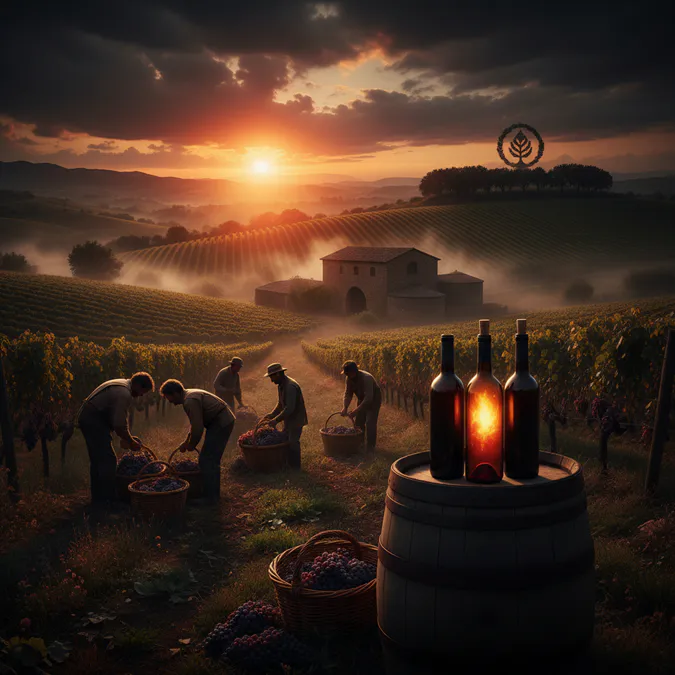
What makes this announcement particularly significant is Robert Hall Winery's status as one of only 25 wineries in the United States to achieve Regenerative Organic Certification. More importantly, these are the first ROC-certified wines to achieve national retail distribution through a major grocery chain, making regenerative viticulture accessible to mainstream consumers for the first time.
The exclusive partnership with Whole Foods Market is strategic and meaningful. Whole Foods has built its reputation on curating premium sustainable products, making it the ideal retail partner for wines that represent the highest standards of environmental responsibility. This distribution approach positions Robert Hall's new releases in front of consumers who actively seek out environmentally conscious choices.
Why This Launch Matters
The timing and execution of this launch reflect broader industry shifts toward regenerative agriculture as a response to climate change and environmental degradation. As consumers increasingly demand transparency and sustainability in their food and beverage choices, wineries like Robert Hall are demonstrating that premium quality and environmental responsibility are not mutually exclusive.
The launch also represents a validation of regenerative viticulture as a viable and superior approach to winemaking. By making these wines available at a major national retailer at an accessible price point of $29.99, Robert Hall Winery is helping to normalize regenerative practices within the wine industry and encouraging other producers to consider similar certifications and practices.
Understanding Regenerative Organic Certification
Regenerative Organic Certification represents the gold standard in sustainable agriculture, going far beyond conventional organic farming practices. The certification encompasses four key pillars that distinguish it from standard organic certifications:
- Soil Health: Emphasis on building and maintaining healthy soil ecosystems through practices that increase organic matter and microbial activity
- Biodiversity: Commitment to promoting diverse plant and animal life within and around vineyards
- Animal Welfare: Ensuring humane treatment of any animals involved in vineyard operations
- Fair Labor Practices: Guaranteeing equitable treatment and compensation for all workers
According to Wine Along the 101, early research into regenerative viticulture has demonstrated tangible benefits. One wine writer noted that "the regenerative juice was richer, with more fruit character, and one can only imagine, through the passage of time, make for a more intense and flavorful wine." This observation suggests that regenerative practices don't just benefit the environment—they may actually enhance wine quality.
How Regenerative Agriculture Differs from Organic
While organic certification prohibits synthetic pesticides and fertilizers, regenerative agriculture goes further by actively improving the land. Regenerative practices focus on building soil health, increasing carbon sequestration, and enhancing biodiversity. In vineyards, this means implementing cover crops, reducing tillage, composting, and other practices that work with natural ecosystems rather than against them.
Robert Hall Winery's commitment to regenerative practices extends beyond certification requirements. The winery is actively participating in research initiatives like the Regenerative Viticulture Foundation's One Block Challenge, which compares regenerative and conventional viticulture methods across multiple vineyards and vintages.
The Two New Wines: Cabernet Sauvignon and Sauvignon Blanc
Robert Hall Winery's new ROC-certified releases represent two distinct expressions of Paso Robles terroir, each crafted using regenerative viticulture practices.
2024 Cabernet Sauvignon
The 2024 Cabernet Sauvignon represents a classic expression of Paso Robles' premier red wine varietal. Grown using regenerative organic practices, this wine benefits from the enhanced soil health and biodiversity that characterize regenerative vineyards. At $29.99, it offers consumers an accessible entry point into premium, sustainably produced Cabernet Sauvignon.
Cabernet Sauvignon from Paso Robles typically exhibits rich fruit character, balanced tannins, and aging potential. The regenerative farming methods employed at Robert Hall Winery are designed to enhance these natural characteristics while building long-term vineyard health and resilience.
2025 Sauvignon Blanc
The 2025 Sauvignon Blanc offers a crisp, refreshing alternative to the Cabernet Sauvignon. Sauvignon Blanc is known for its bright acidity and aromatic complexity, characteristics that can be enhanced through regenerative viticulture practices that promote soil health and microbial diversity.
At the same $29.99 price point, this wine makes sustainable, premium white wine accessible to a broader consumer base. The 2025 vintage represents a recent harvest, offering consumers the opportunity to enjoy fresh, vibrant Sauvignon Blanc while supporting regenerative agriculture.
Exclusive Whole Foods Availability
The exclusive availability of these wines at Whole Foods Market is a strategic choice that aligns with the retailer's commitment to sustainable products. Whole Foods customers are known for prioritizing environmental and social responsibility in their purchasing decisions, making them an ideal audience for these ROC-certified wines.
Robert Hall Winery's Sustainability Commitment
Robert Hall Winery's achievement of Regenerative Organic Certification is the culmination of years of investment in sustainable practices and environmental stewardship. The winery's comprehensive approach to sustainability extends across all aspects of operations.
Energy and Carbon Reduction
One of the most impressive aspects of Robert Hall Winery's sustainability program is their investment in renewable energy. Solar panels installed at the winery offset 92% of energy use during peak times, significantly reducing the winery's carbon footprint. This substantial investment in renewable energy demonstrates a serious commitment to minimizing environmental impact.
Certifications and Standards
Beyond Regenerative Organic Certification, Robert Hall Winery maintains certifications through the California Sustainable Winegrowing Alliance and ISO14001. These multiple certifications ensure that the winery's practices meet rigorous environmental standards across all operations, from vineyard management to winery facilities.
Research and Innovation
Robert Hall Winery is actively advancing the science of regenerative viticulture through a 40-acre comparative study examining the differences between regenerative and conventional farming methods. This ongoing research, led by the winery's Sustainability Manager Caine Thompson, tracks soil health, carbon sequestration, and wine quality impacts. The winery hosts public Field Days, allowing industry professionals and consumers to observe the research firsthand and understand the tangible benefits of regenerative practices.
Early results from this comparative study have been promising. Regenerative farming has demonstrated improvements in soil carbon, microbiology, and biodiversity, which translate into enhanced wine flavor profiles and vineyard resilience.
Educational Initiatives
To help consumers understand the differences between regenerative and conventional viticulture, Robert Hall Winery offers ROC Tasting Kits that allow direct comparisons across different vintages and methods. This educational approach empowers consumers to make informed decisions and appreciate the tangible benefits of regenerative practices.
Impact on the Wine Industry and Consumer Trends
Mainstreaming Regenerative Viticulture
The launch of Robert Hall Winery's ROC-certified wines at Whole Foods Market represents a watershed moment for regenerative viticulture. For the first time, consumers shopping at a major national grocery chain can easily purchase wines certified to the highest standards of environmental and social responsibility. This accessibility is crucial for mainstreaming regenerative practices within the wine industry.
Previously, regenerative wines were primarily available through direct-to-consumer channels or specialty wine retailers, limiting their reach to dedicated wine enthusiasts. By making these wines available at Whole Foods, Robert Hall Winery is introducing regenerative viticulture to mainstream consumers who may not have encountered these products before.
Regional Leadership in Paso Robles
Paso Robles has emerged as a leader in regenerative viticulture, with multiple wineries pursuing ROC certification and regenerative practices. Robert Hall Winery is part of a collaborative movement that includes pioneering producers like Tablas Creek, which was the first ROC-certified winery in the world. This regional commitment to regenerative practices strengthens the entire Paso Robles AVA's reputation for environmental stewardship and quality winemaking.
Consumer Demand for Sustainable Wine
The success of Robert Hall Winery's regenerative initiative reflects broader consumer trends toward sustainability. Wine drinkers increasingly want to know where their wine comes from, how it was produced, and what environmental impact their purchase has. Regenerative Organic Certification provides transparent, third-party verification of these practices, giving consumers confidence in their purchasing decisions.
The $29.99 price point for these wines is particularly significant. It demonstrates that regenerative wines don't have to be luxury products accessible only to wealthy consumers. By positioning these wines at an accessible price point, Robert Hall Winery is making sustainable viticulture available to a broader demographic.
Industry-Wide Implications
The launch of these wines at a major national retailer sends a clear signal to other wineries that regenerative viticulture is not just an environmental imperative—it's a viable business strategy. As more consumers seek out regenerative wines and major retailers like Whole Foods commit to stocking them, other producers will likely follow suit.
This shift toward regenerative agriculture in the wine industry has broader implications for climate change mitigation and environmental restoration. Vineyards managed regeneratively can sequester carbon, improve water retention, enhance biodiversity, and build resilience to climate impacts. As the wine industry adopts these practices at scale, it can contribute meaningfully to environmental restoration efforts.
The Future of Sustainable Wine
Robert Hall Winery's launch of ROC-certified wines at Whole Foods Market during Earth Month represents more than just a product release—it's a statement about the future direction of the wine industry. As climate change and environmental concerns become increasingly urgent, wineries that embrace regenerative practices and transparent sustainability practices will likely gain competitive advantages in the marketplace.
The success of this launch will likely influence other wineries' decisions regarding regenerative certification and sustainable practices. If consumers respond positively to these wines and seek out similar products, it could accelerate the industry's transition toward regenerative viticulture.
Frequently Asked Questions
What are Regenerative Organic Certified wines?
Regenerative Organic Certified wines are produced using farming practices that improve soil health, increase biodiversity, and ensure fair labor practices, going beyond traditional organic standards.
Where can I buy Robert Hall Winery's ROC wines?
These wines are exclusively available at Whole Foods Market, aligning with the retailer's commitment to sustainable products.
Why is regenerative viticulture important?
Regenerative viticulture helps combat climate change by sequestering carbon, improving soil health, and enhancing biodiversity, making it a sustainable choice for the future of winemaking.
The Bottom Line
Robert Hall Winery's launch of two Regenerative Organic Certified wines at Whole Foods Market marks a significant milestone in sustainable winemaking. The 2024 Cabernet Sauvignon and 2025 Sauvignon Blanc, each priced at $29.99, represent the first ROC-certified wines available through national retail distribution, making regenerative viticulture accessible to mainstream consumers.
This launch reflects Robert Hall Winery's comprehensive commitment to sustainability, demonstrated through solar energy investments offsetting 92% of peak energy use, multiple environmental certifications, and active participation in regenerative viticulture research. The winery's 40-acre comparative study has already shown that regenerative practices enhance wine quality while improving soil health, biodiversity, and carbon sequestration.
For wine enthusiasts seeking to support regenerative agriculture while enjoying premium wines, these releases offer an excellent opportunity. The exclusive availability at Whole Foods Market during Earth Month underscores the winery's commitment to environmental stewardship and positions regenerative viticulture as a mainstream choice for conscious consumers.
As the wine industry continues to grapple with climate change and environmental degradation, Robert Hall Winery's leadership in regenerative practices provides a compelling model for how quality, profitability, and environmental responsibility can align. The success of this launch may well inspire other producers to pursue similar certifications and practices, accelerating the industry's transition toward more sustainable and regenerative viticulture.
Sources
- Automated Pipeline
- Robert Hall Winery, Evolving Their Wines Toward a Regenerative Future
- ROBERT HALL WINERY MARKS ONE-YEAR ANNIVERSARY OF REGENERATIVE ONE BLOCK CHALLENGE
- Regenerative Organic Viticulture - Robert Hall Winery
- Sustainability - Robert Hall Winery
- Source: roberthallwinery.com
- Source: winebusiness.com
- Source: winebusiness.com