Key Takeaways

- The 2023 Pinot Noir showcases the benefits of regenerative agriculture.
- Jalama Canyon Ranch employs sustainable practices to enhance wine quality.
- The White Buffalo Land Trust plays a vital role in promoting regenerative methods.
Overview of Regenerative Agriculture
Regenerative agriculture is a holistic approach to farming that seeks to restore soil health, enhance biodiversity, and improve water cycles. Unlike conventional farming methods that often deplete resources, regenerative practices focus on nurturing the land. This includes techniques such as cover cropping, reduced tillage, and integrated livestock management. According to a report by the Rodale Institute, regenerative agriculture can sequester carbon in the soil, potentially offsetting up to 322 billion tons of carbon dioxide globally. By adopting these practices, farmers can contribute to a healthier planet while producing high-quality crops.
Details on the 2023 Pinot Noir
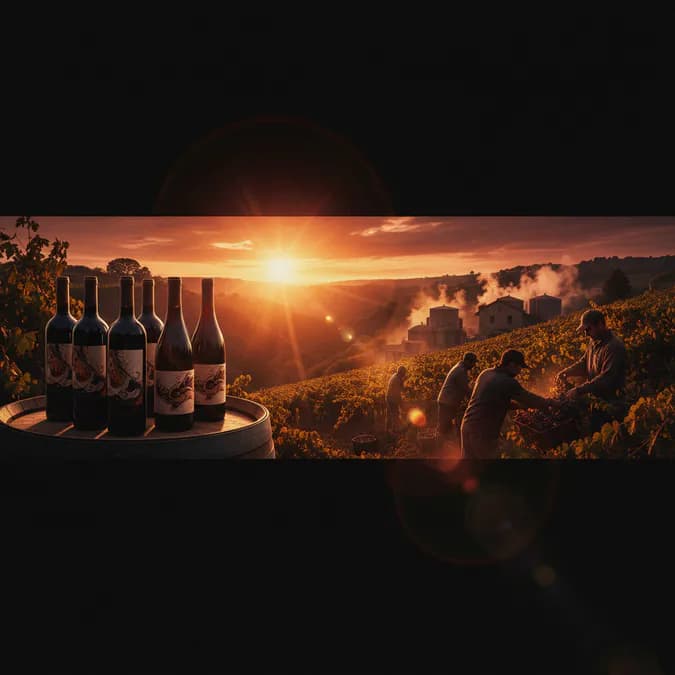
The 2023 Pinot Noir representa significant step forward in the wine industry’s commitment to sustainability. The grapes for this wine are cultivated using regenerative practices that prioritize soil health and ecosystem balance. This approach not only enhances the quality of the wine but also contributes to the overall health of the vineyard environment. The Pinot Noir is characterized by its rich flavor profile, which reflects the unique terroir of Jalama Canyon Ranch. Early tastings suggest notes of cherry, raspberry, and subtle earthy undertones, making it a promising addition to any wine lover's collection. As noted by a wine industry analyst, “The 2023 Pinot Noir is a remarkable example of how regenerative practices can elevate wine quality.”
Impact of Non-Profit Stewardship
The stewardship of the White Buffalo Land Trust plays a crucial role in the success of this project. By focusing on regenerative practices, the organization aims to create a model for sustainable wine production that can be replicated across the industry. Their efforts not only support the local ecosystem but also educate other farmers about the benefits of regenerative agriculture. As stated by the trust, "Our mission is to inspire and empower farmers to adopt practices that heal the land while producing high-quality food and beverages." This commitment to education and sustainability is vital for the future of agriculture.
Frequently Asked Questions (FAQ)
Q: What is regenerative agriculture?
A: Regenerative agriculture is a farming approach that focuses on restoring soil health, enhancing biodiversity, and improving water cycles through sustainable practices.
Q: How does the 2023 Pinot Noir reflect regenerative practices?
A: The 2023 Pinot Noir is produced using regenerative methods that prioritize soil health and ecosystem balance, resulting in a high-quality wine.
Q: What role does the White Buffalo Land Trust play?
A: The White Buffalo Land Trust promotes regenerative agriculture and supports sustainable wine production through education and stewardship.
Conclusion
The 2023 Pinot Noir from Jalama Canyon Ranch is a testament to the potential of regenerative agriculture in the wine industry. With the backing of the White Buffalo Land Trust, this initiative not only produces exceptional wine but also promotea sustainable future for agriculture. As more wineries adopt similar practices, the landscape of wine production may very well change for the better, offering consumers a choice that aligns with their values. By choosing wines like the 2023 Pinot Noir, consumers can support sustainable practices and contribute to a healthier planet.