
Vinitaly 2026 Awards: A Celebration of Italian Wine Excellence
Vinitaly 2026 awards, held April 12-15 in Verona, Italy, showcased the world's most prestigious international wine exhibition with a transformative focus on honoring heritage while embracing contemporary innovation. The 2026 edition emphasized wine's multifaceted role as a cultural, economic, and tourism asset for Italian territories, introducing new award categories that recognize the evolving i
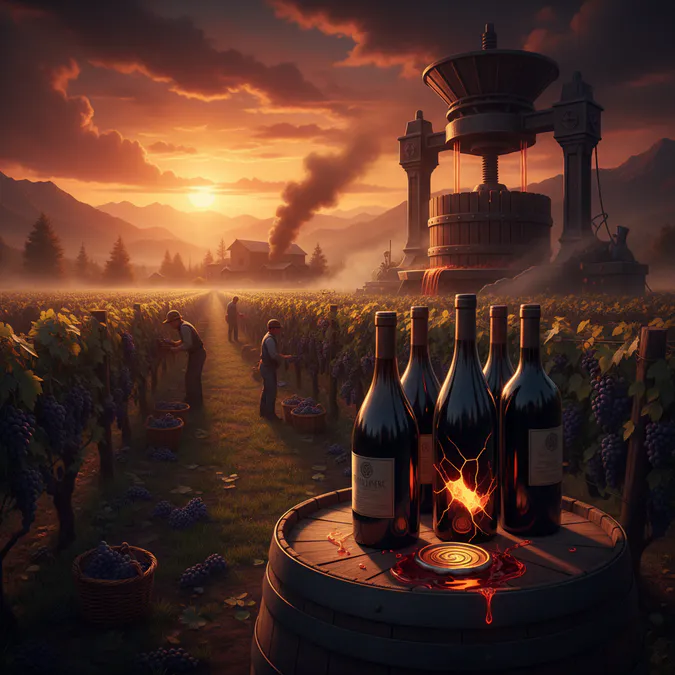
The fair's comprehensive awards program recognized historic producers, territorial consortia, academic figures, and culinary projects that balance tradition with innovation. Key themes included the promotion of Italian wine internationally, the integration of wine into contemporary dining experiences, and innovative packaging design. The event highlighted how wine functions as a territorial narrative tool, connecting landscape, local culture, and hospitality in ways that resonate with modern consumers. Research indicates that consumers increasingly value the stories and cultural significance behind their wine selections, making these territorial connections essential to market success.
Notably, the 2026 edition introduced new award categories recognizing restaurant formats and wine list excellence, reflecting evolving consumer interest in wine tourism and experiential dining. This expansion of the awards program signals a fundamental shift in how the wine industry understands its role in contemporary culture—not merely as a product, but as an integral component of lifestyle, hospitality, and cultural expression. The Vinitaly 2026 awards demonstrated that excellence in wine now encompasses design, hospitality integration, and cultural stewardship alongside traditional production quality.
Major Award Winners and Recognition
Centennial Excellence: Valdo Spumanti's 100 Years of Achievement
Valdo Spumanti Srl received the prestigious 100 Years of Excellence Award at Vinitaly 2026, marking the company's centennial with recognition of its entrepreneurial vision and international development. The award committee's motivation statement captured the significance of this recognition: "One hundred years since its foundation, Valdo is a true example of entrepreneurial vision and foresight. In this role, Lamberto Frescobaldi demonstrates pragmatic, far-sighted leadership, guiding and directing the Italian wine sector in a complex geopolitical landscape towards horizons of growth." [Source: Vinitaly Official Awards Announcement]
Notably, Valdo celebrated this milestone by expanding its zero-alcohol product offerings, reflecting broader industry trends toward lower-alcohol wine options. This strategic move demonstrates how established producers are responding to changing consumer preferences while maintaining their commitment to quality and innovation. The company's recognition in the Vinitaly 2026 awards underscores how heritage producers can successfully adapt to contemporary market demands.
Territorial Identity and Cultural Integration: Marchesi Frescobaldi
Lamberto Frescobaldi of Marchesi Frescobaldi won the Vinitaly International Award – Italy for combining production, cultural projects, and social initiatives rooted in territorial identity. This recognition underscores how leading Italian wine producers are integrating wine production with broader cultural and community engagement, creating value beyond the bottle itself. The award reflects the industry's recognition that wine excellence encompasses more than fermentation and aging—it includes cultural stewardship and community contribution.
New Award Categories: Restaurant Formats and Wine List Excellence
The 2026 edition introduced two groundbreaking award categories that reflect the evolving wine industry landscape. The Best Restaurant Format Award recognized innovative dining concepts that merge cuisine, aesthetics, and wine culture, with Osteria Gucci by Massimo Bottura as the inaugural winner. This award signals recognition of how wine's role in contemporary culture extends beyond retail into experiential hospitality.
The Taste of Italy – Wine List Excellence Award went to Fasano in São Paulo, under the direction of Wine Director Manoel Beato and Chef Luca Gozzani. The award committee noted: "For developing one of the most impressive selections of Italian wines in South America and unceasing commitment to promoting Italian wine culture, the Taste of Italy–Wine List Excellence Award goes to Fasano, São Paulo, with Chef Luca Gozzani and Wine Director Manoel Beato." [Source: Vinitaly Official Awards Announcement] This recognition demonstrates how Italian wine excellence is being celebrated and promoted across global markets, with the Vinitaly 2026 awards highlighting international ambassadors of Italian wine culture.
Academic and International Recognition
Attilio Scienza received the Lifetime Achievement Award for his scholarly contributions to defining terroir and Italian grape variety identity. This recognition acknowledges the academic foundations supporting Italian wine excellence and the importance of scientific understanding in wine production. Industry experts emphasize that academic research plays a critical role in advancing viticulture practices and understanding the complex factors that influence wine quality.
Antonio Stopper of Stoppervini in Lugano won the International Award – Abroad for his dedicated efforts promoting Italian wine across European markets, highlighting the importance of international wine ambassadors in expanding Italian wine's global reach. The Vinitaly 2026 awards recognized that international promotion and cultural diplomacy are essential components of the wine industry's success.
Design Innovation: Packaging as Strategic Communication
The Vinitaly Design Award 2026 recognized 94 packaging and design projects, with Nino Negri 3000 from Valtellina winning Best in Show. [Source: Vinitaly Design Award 2026: 94 Awards Announced] This award recognized the project for its innovative sensory experience and strategic communication through packaging design, demonstrating how visual presentation and design innovation have become critical competitive factors in the wine industry. The substantial number of design awards—94 in total—indicates that packaging excellence is now central to the Vinitaly 2026 awards program and reflects the industry's recognition of design's commercial importance.
Emerging Wine Trends and Innovations
The Rise of Low-Alcohol and Zero-Alcohol Wines
Low-alcohol and zero-alcohol wine innovations emerged as a significant trend at Vinitaly 2026, with established producers like Valdo Spumanti featuring zero-alcohol products alongside their traditional offerings. This trend reflects broader market shifts toward health-conscious wine consumption without sacrificing quality or experience. Consumers increasingly seek wine options that fit into active, health-focused lifestyles while maintaining the sensory pleasure and cultural significance associated with wine consumption.
The prominence of zero-alcohol innovations at the world's leading wine exhibition signals that this is no longer a niche market segment but a mainstream industry focus. Research indicates that the low-alcohol and zero-alcohol wine category continues to expand globally, with producers who can deliver authentic flavor profiles and quality experiences in these formats positioning themselves for significant market opportunities. The Vinitaly 2026 awards highlighted that innovation in alcohol reduction is now considered essential to competitive positioning.
Viticulture Innovation: Double Pruning Techniques
Double pruning techniques are gaining traction as an emerging viticulture innovation, offering producers new methods for managing vine growth and optimizing grape quality. This technique represents the ongoing evolution of traditional viticulture practices, combining centuries of experience with contemporary understanding of vine physiology and fruit development. Double pruning allows producers to better control canopy management, improve air circulation, and potentially enhance grape quality through more precise control of vine vigor.
Industry experts note that viticulture innovations like double pruning reflect the wine industry's commitment to sustainable practices and quality enhancement. These techniques demonstrate how traditional knowledge can be refined through modern understanding to achieve better outcomes in the vineyard.
Late-Harvest Erbaluce: Exploring Traditional Varieties
Late-harvest Erbaluce wines are showing increased market interest, with producers exploring how extended ripening periods can develop complex flavor profiles in this traditional Piedmont variety. Erbaluce, a white grape from the Vercelli and Novara regions, is experiencing renewed attention as producers experiment with different harvest timing and winemaking approaches. Late-harvest expressions can develop richer, more concentrated flavors while maintaining the variety's characteristic acidity and minerality.
The renewed focus on traditional varieties like Erbaluce reflects a broader industry trend toward exploring heritage grape varieties and regional expressions. This approach aligns with consumer interest in terroir-driven wines and authentic territorial expressions, themes that were central to the Vinitaly 2026 awards program.
New Product Launches and Market Entries
Crifo's Rosso di Seta: Innovation in Red Wine Expression
New wine labels like Crifo's Rosso di Seta launched at Vinitaly 2026, representing the continuous stream of innovative products entering the market. These new releases demonstrate how both established and emerging producers are experimenting with different grape varieties, production techniques, and market positioning. The launch of Crifo's Rosso di Seta exemplifies how contemporary producers are creating distinctive products that stand out in an increasingly crowded marketplace.
The introduction of new products at Vinitaly 2026 reflects the dynamic nature of the Italian wine industry, where innovation and experimentation continue to drive market development. These new entries compete alongside heritage producers, creating a diverse marketplace that offers consumers numerous options across quality levels and price points.
Lento Winery's Papal Flight Selection
The recognition of Lento Winery wines for papal flight service represents a significant honor, highlighting how Italian wines continue to gain prestige recognition on the world stage. This selection underscores the quality standards and cultural significance associated with Italian wine production. Being selected for such distinguished service is a testament to both the quality of the wines and the reputation of the producer, demonstrating that excellence in Italian winemaking extends beyond commercial markets into the highest levels of institutional recognition.
What These Developments Mean for the Wine Industry
Balancing Heritage with Innovation
Vinitaly 2026 demonstrated that the Italian wine industry is successfully balancing its rich heritage with contemporary innovation. Award winners and recognized projects span from century-old producers like Valdo Spumanti to cutting-edge design initiatives, from traditional viticulture to zero-alcohol innovations. This balance is not a contradiction but rather a reflection of a mature industry that understands the value of both tradition and progress.
The recognition of both historic producers and innovative projects signals that the industry values continuity and evolution equally. Producers who can honor their heritage while embracing contemporary trends and consumer preferences are finding the greatest success in the marketplace. The Vinitaly 2026 awards framework explicitly recognizes this dual commitment, with categories spanning from centennial achievement awards to cutting-edge design recognition.
Strategic Directions for Wine Producers
For wine producers, the trends and awards highlighted at Vinitaly 2026 suggest several strategic directions:
- Packaging and Design Investment: The recognition of 94 design projects and the Best in Show award for Nino Negri 3000 demonstrate that packaging is no longer merely functional but a critical element of brand communication and market differentiation. Producers should prioritize design excellence as a competitive advantage.
- Low-Alcohol and Zero-Alcohol Options: The prominence of these products at the world's leading wine exhibition indicates that producers should explore these categories as both a response to consumer demand and a growth opportunity. Research suggests this segment will continue expanding.
- Viticulture Innovation: Techniques like double pruning represent opportunities to improve quality and sustainability while maintaining traditional production values. Investment in vineyard innovation can enhance competitive positioning.
- Experiential Integration: The new awards for restaurant formats and wine list excellence suggest that producers should consider how their wines integrate into broader culinary and hospitality experiences. Building relationships with premium dining establishments extends market reach.
- Territorial Storytelling: The emphasis on territorial identity and cultural projects indicates that consumers increasingly value the stories and values behind their wines. Authentic connection to place and community engagement drives brand loyalty.
Consumer Insights and Market Evolution
For consumers and wine enthusiasts, Vinitaly 2026 highlights the diversity and innovation within Italian wine production, from traditional expressions to contemporary interpretations. The event's emphasis on territorial identity, cultural projects, and social initiatives suggests that modern wine consumers increasingly value the stories and values behind their wines. Producers who can authentically connect their wines to place, culture, and community engagement are finding recognition and market success.
The introduction of awards recognizing restaurant formats and wine list excellence also signals that wine's role in contemporary culture extends beyond the bottle into experiential dining and tourism. Wine consumers are increasingly seeking integrated experiences that combine quality wine with exceptional food, hospitality, and cultural engagement. This evolution reflects broader consumer trends toward experiential consumption and values-driven purchasing decisions.
Global Reach and Market Positioning
The international recognition of producers like Antonio Stopper for promoting Italian wine across European markets, and the award to Fasano in São Paulo for developing impressive Italian wine selections in South America, demonstrates that Italian wine's global reach continues to expand. These recognitions highlight how Italian wine producers and their international partners are successfully positioning Italian wines in premium market segments worldwide.
Vinitaly 2026 ultimately reinforced Italy's position as a leader in wine innovation and quality. The awards and trends showcased at the event provide a roadmap for the industry's future direction: honoring tradition while embracing innovation, maintaining quality standards while exploring new possibilities, and recognizing wine's role not just as a beverage but as a cultural ambassador and experiential product. As the wine industry continues to evolve, the lessons from Vinitaly 2026 will likely influence producer strategies, consumer preferences, and market development for years to come.
Key Takeaways
- Vinitaly 2026 awards recognized 94 design projects, emphasizing packaging as a critical competitive factor in the wine industry.
- Low-alcohol and zero-alcohol wine innovations are now mainstream industry focus areas, with major producers expanding offerings in these categories.
- New award categories for restaurant formats and wine list excellence reflect wine's expanding role in experiential hospitality and culinary integration.
- Territorial identity and cultural storytelling are increasingly central to wine marketing and consumer preference, as demonstrated by award recognition of producers emphasizing place-based narratives.
- Italian wine producers are successfully balancing heritage preservation with contemporary innovation, positioning themselves for continued global market success.
- International wine ambassadors and premium dining establishments play essential roles in expanding Italian wine's global reach and market positioning.
- Viticulture innovations like double pruning represent opportunities for quality enhancement and sustainability improvements in wine production.
Frequently Asked Questions
What are the Vinitaly 2026 awards?
The Vinitaly 2026 awards are a comprehensive recognition program presented at the world's leading international wine exhibition, held April 12-15 in Verona, Italy. The awards recognize excellence across multiple categories including historic producer achievement, design innovation, restaurant formats, wine list excellence, academic contributions, and international promotion of Italian wine culture.
Who won the major Vinitaly 2026 awards?
Major winners of the Vinitaly 2026 awards include Valdo Spumanti (100 Years of Excellence Award), Marchesi Frescobaldi (Vinitaly International Award – Italy), Osteria Gucci by Massimo Bottura (Best Restaurant Format Award), Fasano in São Paulo (Taste of Italy – Wine List Excellence Award), Attilio Scienza (Lifetime Achievement Award), Antonio Stopper (International Award – Abroad), and Nino Negri 3000 (Vinitaly Design Award Best in Show).
What are the emerging wine trends highlighted at Vinitaly 2026?
Key emerging trends at Vinitaly 2026 include the rise of low-alcohol and zero-alcohol wines, viticulture innovations like double pruning techniques, renewed interest in traditional varieties like late-harvest Erbaluce, and increased emphasis on packaging design as a market differentiation tool. Additionally, the event highlighted growing consumer interest in wine tourism and experiential dining integration.
Why are low-alcohol wines becoming more popular?
Low-alcohol and zero-alcohol wines are gaining popularity as consumers increasingly seek health-conscious options that fit active, wellness-focused lifestyles. These products allow consumers to enjoy wine's sensory and cultural experiences while managing alcohol consumption. The prominence of these innovations at Vinitaly 2026 indicates they are now mainstream industry focus areas rather than niche segments.
How do the Vinitaly 2026 awards reflect changes in the wine industry?
The Vinitaly 2026 awards reflect significant industry evolution by recognizing excellence beyond traditional production quality. New award categories for restaurant formats and wine list excellence acknowledge wine's expanding role in experiential hospitality. The recognition of 94 design projects emphasizes packaging as a critical competitive factor. Awards emphasizing territorial identity and cultural projects reflect consumer preference for values-driven, story-based wine selections.
What is the significance of the design awards at Vinitaly 2026?
The Vinitaly Design Award 2026 recognized 94 packaging and design projects, with Nino Negri 3000 winning Best in Show. This substantial recognition program demonstrates that packaging design has become essential to competitive positioning in the wine industry. Design excellence now functions as a primary market differentiation tool, particularly in premium market segments where visual presentation and brand communication are critical to consumer decision-making.
How are Italian wine producers expanding globally?
Italian wine producers are expanding globally through multiple strategies highlighted at Vinitaly 2026, including international promotion efforts (recognized through awards like Antonio Stopper's International Award – Abroad), premium dining partnerships (reflected in the Fasano São Paulo wine list excellence award), and strategic positioning in high-value market segments. These approaches emphasize quality, cultural authenticity, and experiential integration rather than volume-based expansion.
Sources
- Wine Italy 24 - Wine Press Review
- Vinitaly 2026: Award Winners Spotlight Italian Wine Culture
- Vinitaly Design Award 2026: 94 Awards Announced
- All the Winners of Vinitaly 2026 Awards
- Italy's Wine Protagonists — Awards, Territories and Wine Tourism
- Vinitaly 2026 Video Coverage
- Valdo Spumanti Awards
- Vinitaly Design Award Winners