
The International Wine Challenge (IWC) stands as one of the most respected and influential wine competitions globally. Known for its rigorous and meticulous judging process, the wine challenge attracts thousands of entries from wine producers around the world each year. Winning an award at the wine challenge is a significant achievement, signaling exceptional quality and craftsmanship. This comprehensive guide delves into the history, judging process, significance, and impact of the wine challenge on the global wine industry.
Table of Contents

- A Brief History of the Wine Challenge
- The Rigorous Judging Process
- The Significance of Winning a Wine Challenge Award
- Categories and Awards
- Industry Impact and Market Recognition
- Frequently Asked Questions
- Key Takeaways
A Brief History of the Wine Challenge
Founded in 1984, the International Wine Challenge was established with the aim of promoting and recognizing quality wines from around the globe. Over the years, it has grown to become one of the most comprehensive and respected wine competitions in the world. The wine challenge's commitment to impartiality and rigorous evaluation has earned it a reputati
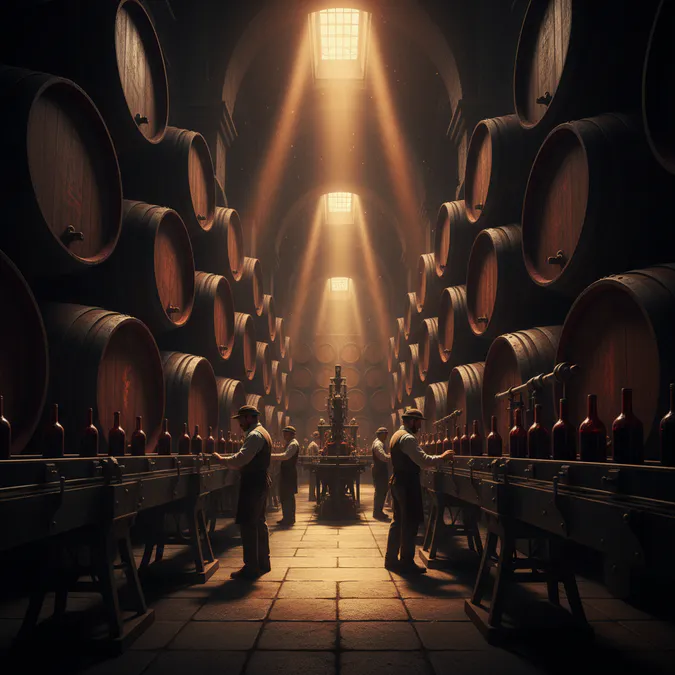
The Evolution of the Wine Challenge
From its humble beginnings, the wine challenge has continually evolved to meet the changing needs of the wine industry. It has expanded its categories to include a wider range of wine styles and regions, and it has refined its judging process to ensure that only the very best wines are recognized. The wine challenge has also embraced technology, using sophisticated software to manage entries and track results. This evolution reflects the commitment to maintaining standards while adapting to modern industry demands.
Research indicates that the wine challenge now evaluates entries from over 60 countries annually, making it truly representative of global wine production. The expansion of the wine challenge's scope demonstrates its growing influence and the industry's trust in its evaluation methodology.
The Rigorous Judging Process
What sets the wine challenge apart from other wine competitions is its rigorous and meticulous judging process. The wine challenge employs a panel of highly experienced and qualified judges, including winemakers, wine critics, and Masters of Wine. These judges undergo extensive training and are carefully selected for their expertise and impartiality. The wine challenge's judging methodology has become a standard reference point for quality assessment in the wine industry.
Blind Tasting Standards
All wines entered into the wine challenge are tasted blind, meaning that the judges do not know the identity of the producer or the region of origin. This ensures that the wines are judged solely on their merits, without any preconceived notions or biases. The blind tasting approach used in the wine challenge eliminates subjective factors such as brand reputation or price point, allowing judges to evaluate wines purely on quality characteristics.
This methodology is critical to the wine challenge's credibility. By removing identifying information, the wine challenge ensures that emerging producers have equal opportunity for recognition alongside established wineries. The blind tasting process has become an industry standard that many other wine competitions have adopted.
Multiple Rounds of Evaluation
The judging process typically involves multiple rounds of tasting. In the first round, the wines are assessed for their overall quality and typicity. Wines that pass this initial screening are then subjected to further evaluation, with the judges looking for specific characteristics and nuances. The wine challenge's multi-round approach ensures thorough assessment and consistency in award decisions.
The first round typically evaluates approximately 30-40% of entries, with the remaining wines receiving commendation or feedback. Wines advancing to subsequent rounds undergo increasingly detailed analysis, examining factors such as complexity, balance, aging potential, and varietal expression. This tiered approach to the wine challenge maintains efficiency while ensuring rigorous evaluation of top-tier entries.
Detailed Feedback and Scoring
One of the unique aspects of the wine challenge is that it provides detailed feedback to all entrants, regardless of whether they win an award. This feedback can be invaluable for winemakers, helping them to identify areas for improvement and refine their winemaking techniques. The wine challenge's commitment to constructive feedback has made it a valuable educational resource for producers at all levels.
Judges provide specific notes on aroma, flavor profile, structure, and finish for each wine evaluated in the wine challenge. This detailed assessment helps producers understand how their wines compare to industry standards and identify opportunities for enhancement. Many winemakers consider the wine challenge feedback essential for continuous improvement in their craft.
The Significance of Winning a Wine Challenge Award
Winning an award at the wine challenge is a significant achievement for any wine producer. It is a testament to the quality of their wines and a recognition of their hard work and dedication. An award from the wine challenge can also have a significant impact on a wine's sales and reputation in the marketplace.
Increased Sales and Market Recognition
Wines that have won a wine challenge award often experience a significant increase in sales. Consumers are more likely to purchase a wine that has been recognized by a reputable organization like the wine challenge. An award from the wine challenge can also help to raise a wine's profile and attract the attention of wine critics and journalists. Industry data suggests that wines winning wine challenge medals see measurable increases in retail placement and consumer demand.
The wine challenge award serves as a powerful marketing tool for producers. Retailers and distributors actively seek wines that have won wine challenge recognition, as these awards indicate quality that resonates with consumers. The visibility gained through a wine challenge award can open doors to new distribution channels and market opportunities.
Enhanced Producer Reputation
Winning a wine challenge award can also enhance a wine producer's reputation. It demonstrates that their wines are of the highest quality and that they are committed to excellence. This can be particularly important for smaller producers who are trying to establish themselves in the market. The wine challenge award provides third-party validation that builds consumer confidence and industry credibility.
For emerging wineries, a wine challenge award can be transformative. It provides the credibility needed to compete with established producers and can accelerate market penetration. The wine challenge's reputation for impartiality makes its awards particularly valuable for building brand trust.
Categories and Awards
The wine challenge awards medals in various categories, recognizing different levels of achievement and quality:
- Gold: Awarded to wines of exceptional quality and character that demonstrate outstanding merit and complexity.
- Silver: Awarded to wines of high quality and distinction that show excellent characteristics and craftsmanship.
- Bronze: Awarded to wines of good quality and value that meet established standards and offer solid drinking experience.
- Commended: Awarded to wines that are well-made and enjoyable, demonstrating competent winemaking.
In addition to these medals, the wine challenge also awards trophies to the best wines in each category. These trophies are highly coveted and represent the pinnacle of achievement at the wine challenge. Trophy winners are recognized as category champions and receive significant industry recognition and media coverage.
The wine challenge's award structure provides meaningful differentiation across quality levels. This tiered system allows the wine challenge to recognize excellence while also providing encouragement to producers working toward higher standards. The transparency of the wine challenge's award criteria helps producers understand what judges are seeking.
Industry Impact and Market Recognition
The wine challenge has become a critical benchmark in the global wine industry. Producers worldwide view participation in the wine challenge as essential for market credibility. The wine challenge's influence extends beyond individual wineries to shape consumer preferences and industry standards.
Consumer Trust and Purchasing Decisions
Research indicates that consumers increasingly rely on wine challenge awards when making purchasing decisions. The wine challenge medal serves as a trusted quality indicator that simplifies selection for both casual drinkers and enthusiasts. This consumer behavior has made wine challenge recognition a valuable asset for producers seeking market differentiation.
The wine challenge's role in consumer decision-making has grown significantly over the past decade. Wine retailers report that wines displaying wine challenge medals experience higher turnover and customer satisfaction. The wine challenge award has become a recognized symbol of quality that transcends regional and price-point boundaries.
Distribution and Retail Advantages
Distributors and retailers actively seek wines that have won wine challenge awards. The wine challenge recognition provides retailers with confidence in product quality and helps justify shelf space allocation. For producers, a wine challenge award can be the key to securing distribution in competitive markets.
The wine challenge's influence on distribution channels is substantial. Sommeliers and wine buyers use wine challenge results to identify promising wines for their selections. The wine challenge award provides the credibility needed to introduce new producers or lesser-known regions to established markets.
Frequently Asked Questions About the Wine Challenge
How much does it cost to enter the wine challenge?
Entry fees for the wine challenge vary depending on the wine category and the number of entries. Producers typically pay per wine submitted, with fees designed to be accessible to wineries of all sizes. The wine challenge fee structure is competitive with other major international competitions.
How long does the wine challenge judging process take?
The complete wine challenge judging process typically spans several weeks. Initial rounds are completed within the first week, with subsequent rounds and trophy selections continuing over the following weeks. Results from the wine challenge are usually announced within 4-6 weeks of the judging period.
Can wines from any region enter the wine challenge?
Yes, the wine challenge accepts entries from wine producers worldwide. The wine challenge's global scope is one of its defining characteristics, with entries coming from over 60 countries. This international participation makes the wine challenge truly representative of global wine quality.
What makes the wine challenge different from other wine competitions?
The wine challenge distinguishes itself through its blind tasting methodology, experienced judging panel, detailed feedback system, and international scope. The wine challenge's commitment to impartiality and comprehensive evaluation has established it as a leading authority in wine assessment.
How do judges prepare for the wine challenge?
Judges participating in the wine challenge undergo extensive training and calibration sessions. The wine challenge ensures judges understand evaluation criteria and maintain consistency across tastings. This preparation is essential to the wine challenge's reputation for fair and reliable assessment.
What happens after winning a wine challenge award?
Producers who win wine challenge awards receive official medals and certificates. The wine challenge provides marketing materials and recognition through its website and publications. Winners can use the wine challenge award in marketing, on labels, and in promotional materials to enhance brand credibility.
Key Takeaways
The wine challenge is a prestigious and influential wine competition that plays a vital role in promoting and recognizing quality wines from around the world. Its rigorous judging process, commitment to impartiality, and detailed feedback make it a valuable resource for winemakers and consumers alike. Winning an award at the wine challenge is a significant achievement that can have a positive impact on a wine's sales, reputation, and overall success in the marketplace.
For wine enthusiasts and industry professionals alike, the wine challenge serves as a reliable indicator of quality. Whether you're a consumer looking for a great bottle of wine or a producer striving for excellence, the wine challenge offers valuable insights and recognition. The wine challenge's continued evolution ensures it remains relevant and authoritative in assessing wine quality across diverse styles and regions.
Understanding the wine challenge's methodology, standards, and impact can help both producers and consumers make informed decisions. The wine challenge represents the pinnacle of wine competition standards and continues to shape the global wine industry through its commitment to excellence and fair evaluation.
The Bottom Line
For wine enthusiasts and industry professionals alike, the wine challenge serves as a reliable indicator of quality and craftsmanship. Whether you're a consumer looking for a great bottle of wine or a producer striving for excellence, the wine challenge offers valuable insights and recognition. The wine challenge's reputation for integrity, combined with its comprehensive evaluation methodology, makes it an essential benchmark in the modern wine industry. Participation in the wine challenge represents a commitment to quality that benefits the entire wine community.