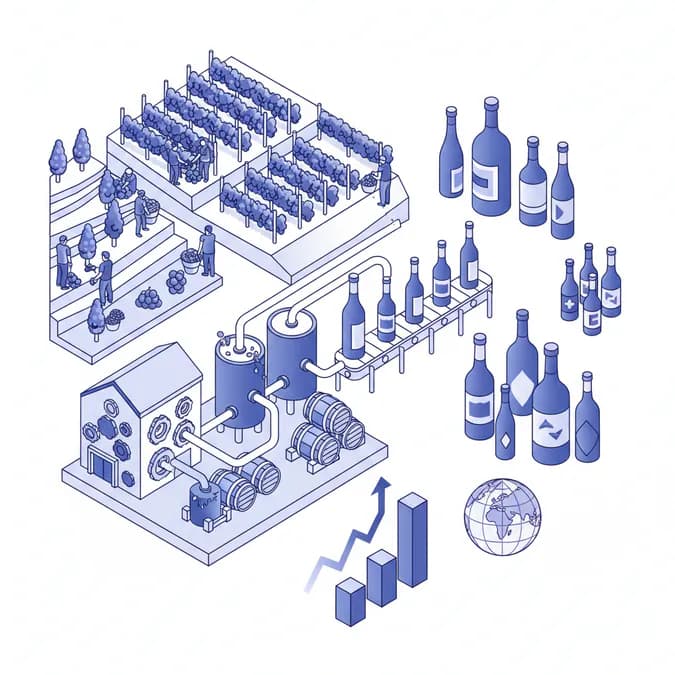
Wine Market Predictions: Current Consumption Trends
Wine market predictions for 2026 reveal a complex landscape of challenges and opportunities. Global wine consumption has been on a downward trajectory, with wine market predictions indicating a continued decline until 2026. According to the Dimins report, this decline is attributed to changing consumer preferences, health consciousness, and the rise of alternative beverages.
Understanding the Decline in Wine Consumption
The decline in traditional wine consumption is influenced by several factors. Health-conscious consumers are increasingly opting for low-calorie and low-alcohol alternatives. This shift is reflected in the growing popularity of low/no-alcohol wines, which present a significant growth opportunity in the wine market predictions for 2026. Furthermore, demographic shifts, including the preferences of younger generations, are steering the market towards innovative beverage options.
Opportunities in Low/No-Alcohol Wines
The rise of low and no-alcohol wines is one of the most exciting trends in the wine market predictions for 2026. As consumers become more health-conscious, the demand for these alternatives is expected to soar. Industry experts suggest that producers who invest in quality low/no-alcohol wines will capture a significant share of the market. According to a report by IWSR, the low-alcohol segment is projected to grow by 31% over the next five years, indicating a robust opportunity for innovation.
Stabilization of Fine Wine Markets
While overall wine consumption may be declining, fine wine markets are stabilizing. Wine market predictions indicate that collectors and investors are focusing on quality over quantity. The fine wine segment is expected to maintain its value, driven by a growing interest in premium products. As noted by wine expert Jancis Robinson, “The fine wine market is evolving, with a clear shift towards investment-grade wines that promise stability and growth.”
Key Takeaways
- Wine market predictions suggest a decline in traditional wine consumption.
- Low/no-alcohol wines represent a significant growth opportunity.
- Fine wine markets are stabilizing with a focus on quality and investment potential.
- Consumer preferences are shifting towards health-conscious and inclusive beverage options.
Frequently Asked Questions About Wine Market Predictions
Q: What are the main factors affecting wine market predictions for 2026?
A: Key factors include health consciousness, demographic shifts, rise of alternative beverages, and increasing demand for low/no-alcohol options.
Q: Are there any positive trends in the wine market predictions?
A: Yes, the low/no-alcohol wine segment and fine wine markets show promising growth and opportunities despite overall consumption decline.
Q: How are wine producers adapting to changing market predictions?
A: Producers are focusing on innovation, quality, and creating more inclusive beverage options to meet evolving consumer preferences.
Conclusion
In conclusion, wine market predictions for 2026 highlight a transformative period for the industry. While traditional consumption may decline, there are substantial opportunities in low/no-alcohol wines and the fine wine market. Producers who adapt to these changes will be well-positioned to thrive in the evolving landscape of the wine industry.