
Introduction to Zagorje and its Winemaking Tradition
The Hrvatsko Zagorje region, often dubbed Croatia's 'little Tuscany', is a hidden gem in the world of wine. Nestled in the Croatian Uplands, this area boasts a cool climate that is ideal for producing crisp, high-acid white wines such as Graševina, Sauvignon Blanc, and Riesling, alongside notable reds like Pinot Noir. The winemaking tradition in Zagorje dates back to the Middle Ages, wit
The Landscape and Culture of Zagorje
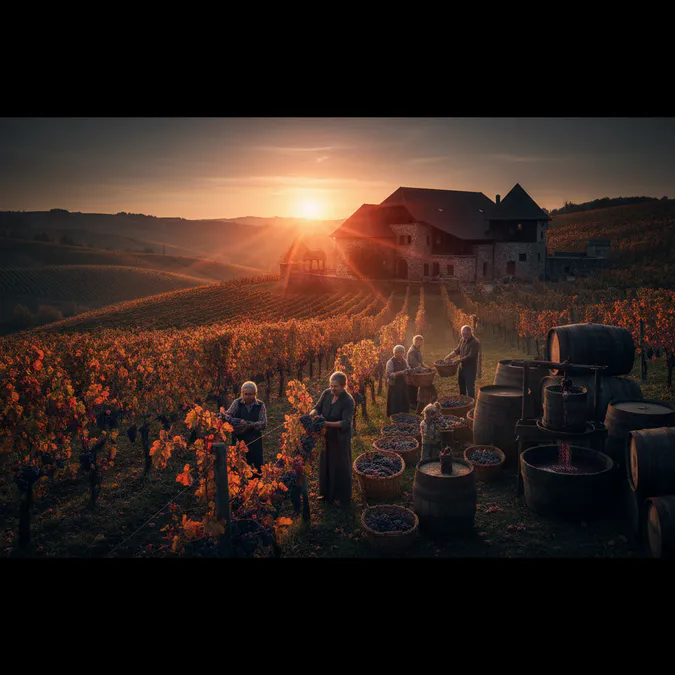
Zagorje is characterized by its stunning landscapes, featuring rolling hills, lush vineyards, and medieval castles that dot the horizon. The region's bucolic charm is complemented by its rich cultural heritage, with numerous farming villages that have preserved traditional ways of life. Visitors can explore the enchanting scenery, which is often likened to Tuscany, making it an ideal destination for road trips from Zagreb. The local cuisine, known for its hearty dishes, pairs beautifully with the region's wines, enhancing the overall experience of this picturesque area.
Family Winemakers of Zagorje: Profiles and Stories
The heart and soul of Zagorje's wine scene lie in its family winemakers, who are dedicated to preserving the region's viticultural heritage while innovating for the future. Notable wineries include:
- Bolfan Winery: With 20 hectares of organic vineyards, Bolfan is one of the first producers to focus on high-quality wines post-independence. Their commitment to organic practices has earned them accolades in the wine community.
- Bodren Winery: Specialists in ice wines, Bodren has carved out a niche for itself, showcasing the potential of this unique style in the region.
- Vinarija Jagunić: A family estate that emphasizes traditional winemaking methods, producing wines that reflect the terroir of Zagorje.
- Winery Petrač: With a rare undivided vineyard of 10 hectares, Petrač stands out in a region where land is often fragmented across generations.
These winemakers are not just producers; they are storytellers, sharing their passion for wine and the land through their craft. As noted by Jasminka Šaško, President of the Vino Zagorje Association, "Viticulture in our region has been keeping pace with global trends for years, and we are now highly positioned on the wine map." The recent publication of the book Wine Stories: Hrvatsko Zagorje chronicles the lives and experiences of these winemakers, further enhancing the region's profile.
Zagorje Wine Varieties and Tasting Notes
Zagorje is renowned for its diverse range of wine varieties, with a particular emphasis on indigenous grapes. Some of the key varieties include:
- Graševina: A white wine known for its crisp acidity and floral notes, often enjoyed as an aperitif.
- Sauvignon Blanc: This variety thrives in the region's climate, producing wines with vibrant citrus and herbaceous characteristics.
- Riesling: Renowned for its aromatic profile, Riesling from Zagorje is often characterized by its balance of sweetness and acidity.
- Pušipel: A lesser-known variety that is gaining popularity, offering unique flavor profiles that reflect the terroir.
- Pinot Noir: This red variety is cultivated in the region, producing elegant wines with red fruit flavors and earthy undertones.
In addition to these traditional varieties, winemakers in Zagorje are experimenting with innovative techniques, including the production of sparkling and ice wines, showcasing the region's versatility and potential.
Visiting Zagorje: Tourism and Wine Experiences
For wine enthusiasts and travelers, Zagorje offers a wealth of experiences. The region's proximity to Zagreb, just an hour's drive away, makes it an accessible destination for day trips or weekend getaways. Visitors can enjoy:
- Wine Tastings: Many wineries offer guided tastings, allowing guests to sample a range of wines while learning about the winemaking process.
- Vineyard Tours: Explore the picturesque vineyards and learn about the organic practices employed by local winemakers.
- Culinary Experiences: Pair local wines with traditional Croatian dishes, enhancing the flavors of both.
- Scenic Drives: Take in the breathtaking landscapes of Zagorje, dotted with castles and charming villages.
- Cultural Events: Participate in local festivals celebrating wine and culture, providing an immersive experience.
As the region continues to gain recognition, it is poised to become a must-visit destination for wine lovers and tourists alike.
Comparison of Zagorje and Tuscany as Wine Regions
While both Zagorje and Tuscany are celebrated for their stunning landscapes and rich winemaking traditions, they each offer unique characteristics that set them apart. Key differences include:
- Climate: Tuscany's Mediterranean climate contrasts with Zagorje's continental climate, affecting the types of grapes that thrive in each region.
- Wine Styles: Tuscany is renowned for its robust reds, particularly Chianti and Brunello, while Zagorje focuses on crisp whites and innovative styles like ice wine.
- Winemaking History: Tuscany has a long-established reputation in the wine world, whereas Zagorje is emerging as a new player, revitalizing its winemaking heritage.
Both regions, however, share a commitment to quality and a passion for storytelling through wine, making them both worthy of exploration for any wine enthusiast.
Key Takeaways
The family winemakers of Zagorje are not only preserving a rich tradition but also innovating to create exceptional wines that reflect the unique terroir of this enchanting region. As interest in Croatian wines continues to grow, Zagorje stands poised to capture the hearts of wine lovers around the world.
FAQ
What is Zagorje wine known for?
Zagorje wine is known for its crisp white wines, particularly Graševina and Sauvignon Blanc, as well as innovative styles like ice wine.
How can I visit Zagorje?
Zagorje is easily accessible from Zagreb, making it a great destination for day trips. Many wineries offer tastings and tours.
What makes Zagorje unique compared to other wine regions?
Zagorje's unique continental climate and commitment to organic practices set it apart, along with its rich cultural heritage and picturesque landscapes.
Sources
- Automated Pipeline
- Silent heroes of Zagorje's vineyards - Taste of Adriatic
- Croatian Uplands Wine Region Guide | WineTourism.com
- The Wines of Croatia: A Hidden Gem in the World of Fine Wine
- Cracking Croatian Wine: Croatian Uplands (Moslavina, Međimurje, Zagorje) - YouTube
- Source: visiteurope.com
- Source: hauteretreats.com
- Source: youtube.com
- Source: unforgettablecroatia.co.uk