
The 2025 Burgundy harvest has delivered a paradoxical vintage: while production volumes have plummeted to 70-75% of normal levels, the quality of the grapes is exceptional. The Bourgogne Wine Board (BIVB) released its official harvest report highlighting healthy fruit, balanced acidity, and deep color in red wines, despite the significantly constrained supply. This quality-versus-quantity dynamic is reshaping the Burgundy wine market and raising critical questions about future availability and pricing for one of the world's most prestigious wine regions.
Burgundy, located in eastern France, is renowned for producing some of the world's finest Pinot Noir and Chardonnay wines. The region's complex classification system—including Grand Cru, Premier Cru, Village, and Regional appellations—each reflects specific terroir characteristics that have made Burgundy legendary among wine enthusiasts. The 2025 vintage represents a critical inflection point for the region, as it marks the third consecutive small harvest in five years, following a generous 2023 vintage and a catastrophic 2024 vintage that saw losses ranging from 70-96% for many producers.
The 2025 growing season was characterized by unusual weather patterns that created both challenges and opportunities. Two heatwaves followed by rainy conditions during harvest paradoxically produced small, thick-skinned berries with exceptional concentration and flavor. While some vineyards experienced yield drops as severe as 80%, the overall quality metrics suggest this vintage will be memorable for its depth and aging potential rather than its volume.
Details from the BIVB Report
The Bourgogne Wine Board's official assessment of the 2025 Burgundy harvest provides crucial insights into what producers and collectors can expect from this vintage. According to the BIVB, "quantities are average, but the fruit's excellent health and the purity of
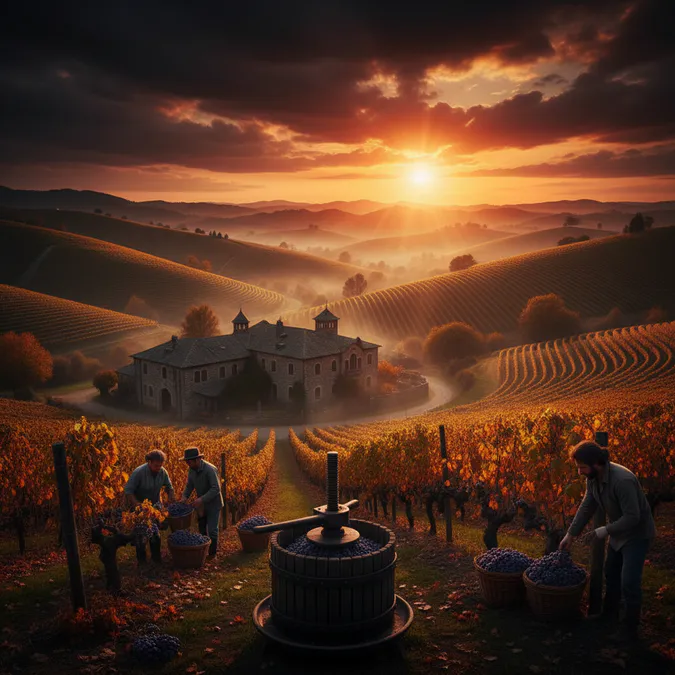
The report highlights several key quality indicators that distinguish 2025 from previous challenging vintages:
- Excellent fruit health: The grapes were free from significant disease pressure, a critical factor in Burgundy's cool climate.
- Balanced acidity: Essential for aging potential and food pairing versatility, indicating the vintage will develop complexity over time.
- Deep color in red wines: Suggests robust extraction and phenolic maturity, indicating concentrated, flavorful juice from the small berries.
- Purity of juice: The BIVB's emphasis on juice purity indicates clean fermentation potential and minimal quality-compromising factors.
Production volumes tell a more sobering story. The 2025 Burgundy harvest produced approximately 70-75% of normal production volumes, marking a significant constraint on supply. However, this figure masks considerable variation across the region. Some Burgundy vineyards reported yield drops as severe as 80%, while others experienced more moderate reductions depending on terroir drainage and residual hail damage from the catastrophic 2024 vintage. This variation means that certain appellations and producers will face more acute supply challenges than others.
Factors Contributing to Low Yields
Understanding the causes of the 2025 low yields requires examining the weather patterns that shaped the growing season. The vintage was defined by two distinct heatwaves that stressed the vines and reduced berry size. While heatwaves can be beneficial for ripeness and concentration, they also reduce the number of berries that develop on each vine. The subsequent rainy conditions during harvest created additional challenges, as excessive moisture can dilute flavors and increase disease pressure.
The cumulative effect of these weather patterns was the production of small, thick-skinned berries. While this is excellent news for quality—thick skins mean more color, tannin, and flavor compounds—it directly translates to lower yields. A smaller berry simply contains less juice, and fewer berries per vine means less total production.
The 2024 Vintage Context
The 2024 vintage context is crucial for understanding 2025's challenges. The previous year was catastrophic, with cold, wet weather and intense mildew pressure causing losses of 70-96% for many producers. Some domaines, like Charles Lachaux, lost nearly their entire crop. This means that many Burgundy producers are now facing back-to-back years of severely constrained production, creating significant inventory challenges and market pressure.
The impact of consecutive small harvests cannot be overstated. Producers who lost significant portions of their 2024 vintage are now facing another year of constrained production in 2025. This creates a compounding effect where inventory depletion accelerates and the ability to meet customer demand becomes increasingly difficult.
The Boom-Bust Pattern
Additionally, the 2023 vintage was unusually generous, with yields so high that premier and grand cru fruit was declassified to village bottlings. This boom-bust cycle—generous 2023, catastrophic 2024, constrained 2025—is creating market volatility and raising concerns about future availability. The pattern suggests that Burgundy is experiencing climate-driven production volatility that may become more common in coming years.
Grape Health and Quality Indicators
Despite the low yields, the 2025 vintage demonstrates exceptional fruit health and quality characteristics that suggest strong aging potential. The Bourgogne Wine Board's assessment of "excellent fruit health" is particularly significant given the challenging growing season. This indicates that the grapes were free from significant fungal diseases, rot, or other quality-compromising conditions.
The balanced acidity noted in the official report is a hallmark of quality Burgundy wines. In cooler vintages or years with challenging conditions, acidity can sometimes be excessive, making wines lean and austere. Conversely, in very warm years, acidity can be insufficient, resulting in flabby, unstructured wines. The 2025 vintage appears to have achieved the optimal balance—enough acidity for freshness and aging potential, but not so much as to create harshness.
The deep color in red wines is another positive indicator. Color intensity in Pinot Noir is often correlated with phenolic ripeness and extraction. The small, thick-skinned berries of 2025 would naturally produce more concentrated color, suggesting that the reds will have good structure and aging potential. This is particularly important for Burgundy's Grand Cru and Premier Cru reds, which are expected to age gracefully for 10-20+ years.
Producer Perspectives
Producers have offered their own assessments of the vintage. Guillaume Gicqueau-Michel, owner of Domaine Louis Michel, noted that "the yields are good. That's good news." This perspective, while seemingly contradicting the overall low yield narrative, likely reflects his vineyard's specific experience and his focus on quality over quantity. His comment suggests that within the challenging overall context, some producers are satisfied with their results.
Impact on Burgundy Wine Production and Market Dynamics
The combination of low yields and high quality is creating significant market dynamics that will reshape Burgundy wine availability and pricing. Global demand for Burgundy wines surged in early 2025, partly driven by concerns over potential new U.S. tariffs. Sales data from January through July 2025 showed a 5% volume increase and 3% value increase in global Burgundy wine sales. This demand surge compounds the supply concerns created by low yields, creating a classic supply-demand imbalance that typically results in price increases.
White Burgundy Supply Concerns
The supply situation is particularly acute for white Burgundies. One prominent producer noted, "I think there is going to be a serious shortage of whites on the market within the next two years." This forecast suggests that Chardonnay-based white Burgundies—already among the most sought-after white wines in the world—will become increasingly difficult to find and expensive.
Producer Inventory Concerns
Etienne de Montille, owner of Domaine de Montille, expressed broader concerns about the region's future: "This is the second year in a row with a small harvest, and I think that Burgundy is going to run out of wine in a year or two. And I'm ignoring what will happen to prices. I'm hoping that people will be reasonable and responsible." His comments reflect the anxiety among serious Burgundy producers about inventory depletion and the potential for unsustainable price escalation.
Market Implications
These supply constraints will have several cascading effects:
- Price increases: Prices for 2025 Burgundy wines will likely be elevated compared to more abundant vintages.
- Limited availability: Allocations to retailers and restaurants will become more competitive and restricted.
- Strategic purchasing decisions: Collectors and serious wine enthusiasts may face difficult choices about whether to purchase 2025 Burgundy at premium prices or wait for future vintages.
- Inventory management: Producers will need to carefully manage their limited stocks to maintain customer relationships and market presence.
Historical Context and the Boom-Bust Cycle
The 2025 vintage must be understood within the context of Burgundy's recent production history. The 2023 vintage was remarkably generous, with yields so abundant that producers had to declassify premier and grand cru fruit to village-level bottlings. This unusual situation—where top-tier fruit couldn't command top-tier prices due to oversupply—created a temporary buyer's market for Burgundy wines.
The 2024 vintage then swung to the opposite extreme, with catastrophic losses of 70-96% for many producers. This dramatic reversal created severe inventory challenges and forced many producers to rely on older vintages to meet demand. Some domaines essentially had no 2024 vintage to sell, creating a gap in their production continuity.
The 2025 vintage, while better than 2024, continues the pattern of constrained production. This three-year cycle—abundant, catastrophic, constrained—illustrates the increasing climate volatility affecting Burgundy. The region's cool climate, which has historically been its defining characteristic and source of its terroir expression, is becoming increasingly unpredictable.
Climate Change Implications
This boom-bust cycle raises important questions about Burgundy's future. Will the region experience more frequent years of low production? Will climate change make the cool-climate characteristics that define Burgundy less reliable? These questions are particularly pressing given that Burgundy's reputation is built on consistency and the ability to produce age-worthy wines that express terroir year after year.
The pattern of extreme weather events—from the 2024 mildew pressure to the 2025 heatwaves and rain—suggests that Burgundy producers will need to adapt their vineyard management practices and potentially their grape varieties to maintain their position as one of the world's premier wine regions.
What This Means for Wine Collectors and Enthusiasts
For wine collectors and enthusiasts, the 2025 Burgundy vintage presents both opportunities and challenges. The exceptional quality suggests that 2025 will be a memorable vintage worth seeking out and cellaring. The low yields mean that bottles will be scarce and potentially expensive, but also that serious collectors should prioritize securing bottles of their preferred producers and appellations.
Strategic Purchasing Recommendations
The supply constraints also suggest that collectors should be strategic about their purchasing. Rather than waiting for prices to potentially decline, the market dynamics suggest that prices are more likely to increase as inventory depletes. Serious Burgundy enthusiasts may want to prioritize purchases of their favorite producers' 2025 releases before allocations are exhausted.
Key considerations for collectors include:
- Act quickly: Limited allocations mean that desirable bottles will sell out faster than in abundant vintage years.
- Focus on quality producers: With limited production, the quality differential between top producers and average producers will be more pronounced.
- Consider cellaring: The excellent aging potential noted by the BIVB suggests that 2025 Burgundy will reward patient collectors.
- Diversify sources: Work with multiple retailers and importers to secure desired bottles before allocations are depleted.
Restaurant and Retail Implications
For restaurants and retailers, the 2025 vintage presents challenges in terms of sourcing and pricing. Limited availability means that wine lists featuring 2025 Burgundy will be more exclusive but also more expensive. Retailers will need to carefully manage their allocations to balance customer demand with the reality of constrained supply.
The broader lesson from the 2025 Burgundy harvest is that Burgundy's future may involve more frequent years of constrained production. Producers, collectors, and enthusiasts should prepare for a market where Burgundy wines are increasingly precious and where strategic purchasing decisions become more important. The combination of exceptional quality and severely limited supply makes the 2025 Burgundy vintage a defining moment for the region and a critical test of how the market will respond to the new reality of climate-driven production volatility.
Key Takeaways
- The 2025 Burgundy harvest has low yields of 70-75% but high-quality grapes.
- Weather patterns have led to small, thick-skinned berries with exceptional flavor.
- Producers face inventory challenges due to consecutive small harvests.
- Collectors should act quickly to secure bottles as prices are likely to rise.
- The future of Burgundy may involve more frequent low production years due to climate change.
Frequently Asked Questions
What caused the low yields in the 2025 Burgundy harvest?
The low yields were primarily due to two heatwaves followed by rainy conditions during harvest, which stressed the vines and reduced berry size.
How does the quality of the 2025 vintage compare to previous years?
Despite the low yields, the quality of the 2025 vintage is exceptional, with healthy fruit and balanced acidity, making it a promising year for aging potential.
What should collectors do regarding the 2025 Burgundy vintage?
Collectors should act quickly to secure bottles, as limited availability may lead to increased prices and competition among buyers.
Will climate change affect future Burgundy harvests?
Yes, the increasing climate volatility may lead to more frequent years of low production, impacting the consistency and availability of Burgundy wines.
Sources
- Automated Pipeline
- Burgundy 2025: Triumph and Disappointment
- Burgundy Faces Third Small Harvest in Five Years
- Burgundy Wine Shortage 2025: High Quality, Critically Low Yields
- Burgundy Diaries - November 2025 Edition
- 2025 Bourgogne Harvest – Quality Shines Despite Lower Yields
- Source: harpers.co.uk
- Source: vintage59.com
- Source: bourgogne-wines.com
- Source: burgundy-report.com
- Source: bordeauxwinepilgrim.com