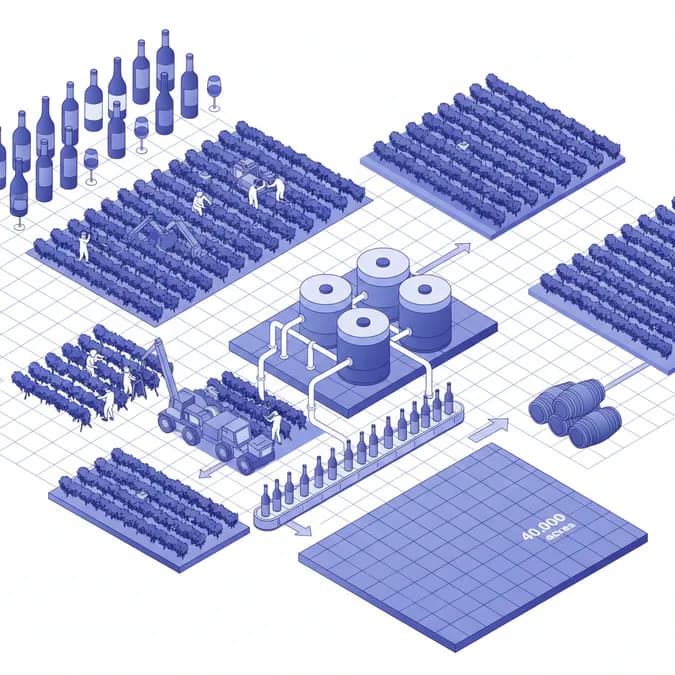
California vineyards are set to remove 40,000 acres of grapevines by 2025 to combat oversupply and stabilize wine prices. This significant industry shift aims to address the ongoing challenges faced by vineyard owners and ensure the long-term viability of the California wine market. The decision to remove such a substantial area of grapevines is a proactive measure to align production with market demand, ultimately benefiting both growers and consumers.
Impact on Growers in California Vineyards

California's wine industry is undergoing significant changes as vineyard owners and industry leaders push for the removal of 40,000 acres of grapevines by 2025. This aggressive strategy aims to address the ongoing oversupply of wine grapes, which has led to a decline in prices and profitability for growers. With years of surplus production, the need for a more sustainable approach to vineyard management has never been more critical.
The decision to accelerate removals comes as a response to market pressures. According to industry reports, California's wine grape production has outpaced demand, resulting in a surplus that has driven prices down. In 2022, the state produced approximately 4.5 million tons of wine grapes, while consumer demand has not kept pace, leading to an estimated 1.5 million tons of excess grapes in the market. This imbalance has prompted calls for action from industry stakeholders.
The California Wine Institute, which represents over 1,000 wineries and vineyards, has been vocal about the need for these removals. They argue that reducing vineyard acreage will help stabilize prices and ensure the long-term viability of the industry. "We must take proactive measures to align production with market demand," said a spokesperson from the institute. "This is not just about short-term gains; it's about the future of California wine." To support growers during this transition, several initiatives are being proposed, including:
- Financial assistance programs for growers
- Transition options to alternative crops
- Long-term sustainability initiatives
Market Stability and Future Outlook for California Vineyards
As the removals begin, the focus will shift to how this will affect wine prices and market stability. Experts predict that a reduction in supply could lead to a gradual increase in prices, benefiting those who remain in the industry. However, the timeline for recovery is uncertain, and growers will need to navigate a complex market landscape.
Steps for Growers to Consider in California Vineyards
- Evaluate the financial implications of vineyard removal.
- Explore state assistance programs for transitioning.
- Consider diversifying crops to mitigate risks.
- Stay informed about market trends and consumer preferences.
Key Takeaways on California Vineyards
The decision to remove 40,000 acres of vineyards in California marks a pivotal moment for the wine industry. As growers respond to the challenges of oversupply and fluctuating prices, the focus on sustainable practices and market alignment will be crucial. By taking proactive steps now, the industry can work towards a more stable and profitable future.
Frequently Asked Questions (FAQs) about California Vineyards
Q: Why are California vineyards removing 40,000 acres?
A: The removals are a response to an oversupply of wine grapes, which has led to declining prices and profitability for growers.
Q: What are the expected outcomes of this removal plan?
A: Experts predict that reducing vineyard acreage could stabilize prices and improve the long-term viability of the California wine industry.
Q: How will growers be supported during this transition?
A: Various initiatives, including financial assistance and transition options to alternative crops, are being proposed to support growers.
Conclusion on California Vineyards
The decision to remove 40,000 acres of vineyards in California marks a pivotal moment for the wine industry. As growers respond to the challenges of oversupply and fluctuating prices, the focus on sustainable practices and market alignment will be crucial. By taking proactive steps now, the industry can work towards a more stable and profitable future.