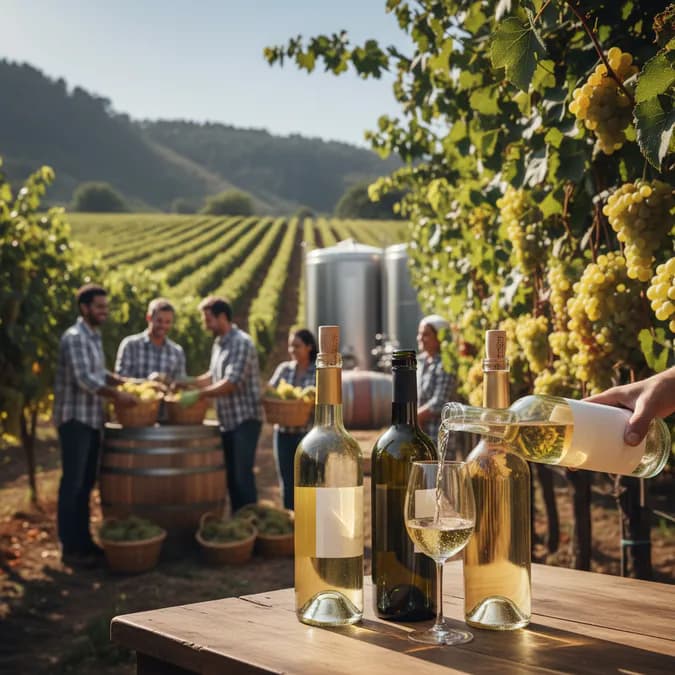
The wine industry is experiencing a significant shift in consumer preferences, with fresh white wines 2026 leading the charge in everyday drinking habits throughout 2026. This trend reflects a broader movement away from heavy, oaked styles toward wines that emphasize acidity, crispness, and immediate drinkability. Understanding these emerging preferences can help both casual drinkers and wine enthusiasts navigate the evolving marketplace and discover wines that align with modern palates.
The Rise of Fresh White Wines
Fresh white wines have emerged as one of the clearest trends shaping the wine industry in 2026. These wines prioritize brightness and refreshment over complexity and aging potential, making them ideal for casual consumption and everyday occasions. The shift reflects changing consumer attitudes toward wine—moving away from the perception that quality requires heavy oak aging or complex flavor development. Instead, modern drinkers increasingly value wines that deliver immediate satisfaction and pair easily with diverse cuisines and dining situations.
This trend is particularly evident in retail environments, where fresh white wines are commanding significant shelf space and capturing consumer attention. Wine retailers and distributors are responding to this demand by expanding their selections of crisp, acidic whites, recognizing that these wines appeal to a broad demographic of everyday drinkers seeking quality without pretension.
Popular White Wine Varietals in 2026
Four white wine varietals are leading the charge in this fresh wine movement: Albariño, Riesling, Sauvignon Blanc, and restrained Chardonnay styles. Each brings distinct characteristics that appeal to the contemporary wine drinker.
Albariño
Albariño, a Spanish white wine known for its mineral qualities and bright acidity, has gained considerable traction among consumers seeking something beyond the typical Sauvignon Blanc. This varietal offers a unique flavor profile that distinguishes it in a crowded market while maintaining the freshness that defines the current trend. Albariño is winning shelf space as retailers recognize its appeal to everyday drinkers.
Riesling
Riesling has experienced a remarkable renaissance in 2026, shedding its outdated reputation for sweetness. Modern Riesling producers are crafting dry and off-dry expressions that showcase the varietal's natural acidity and aromatic complexity. This revival demonstrates how consumer education and producer innovation can reshape perceptions of traditional wine styles. The emphasis on elevated acidity has made Riesling particularly attractive to contemporary consumers.
Sauvignon Blanc
Sauvignon Blanc remains a cornerstone of the fresh white wine movement, consistently delivering the herbaceous notes, citrus flavors, and crisp acidity that define the category. Its versatility and food-friendly nature make it a reliable choice for everyday consumption, and it continues to dominate shelf space in wine retailers worldwide.
Restrained Chardonnay
Restrained Chardonnay styles represent a departure from the heavily oaked, butter-forward expressions that dominated previous decades. These wines emphasize the grape's natural acidity and mineral characteristics, often employing minimal oak aging or stainless steel fermentation to preserve freshness. This evolution shows how even classic varietals are adapting to meet modern consumer preferences.
Consumer Preferences Driving the Trend
The shift toward fresh white wines reflects fundamental changes in how consumers approach wine selection and consumption. Today's drinkers prioritize drinkability—the ability to enjoy a wine without extensive food pairing or special occasions. This democratization of wine consumption has broken down barriers between everyday and special-occasion drinking, allowing consumers to enjoy quality wines in casual settings.
According to industry analysis, elevated acidity has become a defining characteristic that consumers actively seek when selecting white wines. This preference for brightness extends beyond traditional wine-drinking demographics, appealing to younger consumers and those new to wine who appreciate straightforward, refreshing flavors over complex, acquired tastes.
The global wine market is responding to these preferences with increased production and distribution of fresh white wines. The white wine market continues to evolve as producers recognize the commercial opportunity in meeting consumer demand for crisp, drinkable expressions.
The Bottom Line
The 2026 wine landscape clearly favors fresh, acidic white wines that prioritize immediate enjoyment and versatility. Whether you're exploring Albariño for the first time, rediscovering Riesling, or appreciating Sauvignon Blanc's consistent appeal, these varietals represent the future of everyday wine drinking. By understanding these trends, you can make informed choices that align with current market offerings and your personal preferences for crisp, refreshing wines. As the wine industry continues to evolve, fresh white wines will likely maintain their prominent position as the go-to choice for casual, everyday consumption.
Frequently Asked Questions
What are fresh white wines?
Fresh white wines are characterized by their bright acidity, crispness, and immediate drinkability, making them ideal for casual consumption.
Which varietals are considered fresh white wines?
Popular varietals include Albariño, Riesling, Sauvignon Blanc, and restrained Chardonnay styles.
Why are fresh white wines trending in 2026?
The trend reflects changing consumer preferences towards wines that are easy to drink and pair well with various cuisines, moving away from heavy, oaked styles.