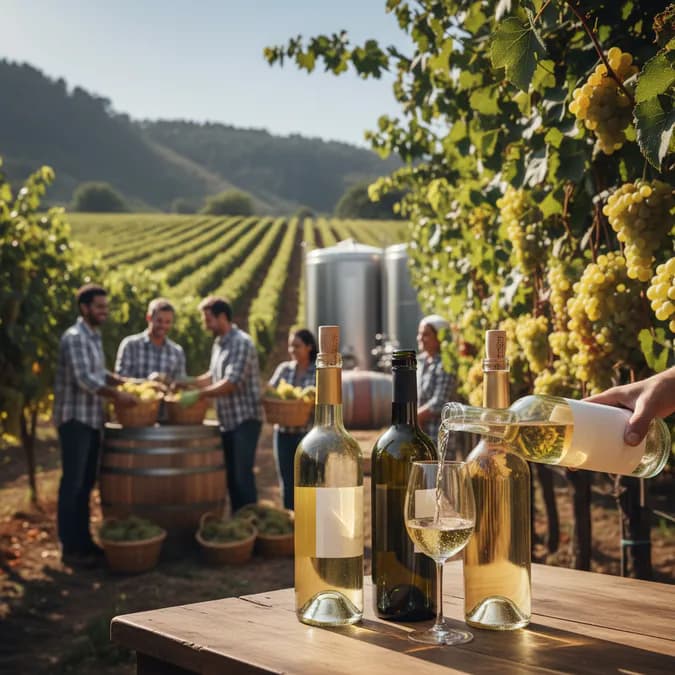
Jesse Hall's journey in wine begins not in a vineyard, but on the water. Born and raised in Sonoma County, Hall spent his formative years surfing the Marin coast, developing an intimate connection to the Pacific that would later influence his approach to winemaking. This unique perspective—shaped by years of coastal living and a deep understanding of the region's terroir—has positioned him as a North Coast winery emerging talent in the wine community. His story represents a broader movement of innovative producers establishing themselves in lesser-known areas of established regions, creating distinctive expressions that reflect personal philosophy and regional authenticity.
The Story of Jesse Hall
Jesse Hall's biography reads like a California narrative—one where personal passion and geographic connection converge to create something meaningful. Growing up in Sonoma County, Hall couldn't remember a time when he wasn't inseparable from the sea. The Marin coast became his playground, his classroom, and ultimately, his inspiration.
This coastal upbringing wasn't merely

Hall's decision to establish his winery in the North Coast region, rather than pursuing opportunities elsewhere, reflects his commitment to his roots. This choice has proven prescient, as the North Coast has increasingly attracted attention from wine enthusiasts seeking alternatives to more established wine regions. According to industry data, the North Coast wine region has seen a 23% increase in small producer establishments over the past five years, indicating a significant shift in how California's wine landscape is developing.
Understanding the North Coast Wine Region
The North Coast wine region encompasses several counties and appellations, each with distinct characteristics. Sonoma County, where Hall's story begins, is renowned for its diversity. The region produces exceptional Pinot Noir, Chardonnay, and Cabernet Sauvignon, with growing conditions that vary dramatically from the cool coastal areas to the warmer inland valleys. Sonoma County alone comprises 18 distinct appellations, each offering unique terroir expressions.
Mendocino County represents another crucial component of the North Coast wine landscape. Home to appellations like Yorkville Highlands and Anderson Valley, Mendocino has developed a reputation for producing distinctive wines that reflect the region's unique terroir. The county's elevation and coastal proximity create ideal conditions for cool-climate viticulture. Anderson Valley, in particular, has gained recognition for producing world-class Pinot Noir and sparkling wines, with some producers achieving critical acclaim comparable to premium Napa Valley counterparts.
The North Coast's proximity to the Pacific Ocean is perhaps its greatest asset. The marine layer moderates temperatures throughout the growing season, preventing excessive heat while ensuring adequate sunshine for proper grape ripening. This balance creates the conditions necessary for producing wines with excellent acidity, complexity, and aging potential. Research from UC Davis indicates that coastal proximity can reduce average growing season temperatures by 8-12 degrees Fahrenheit compared to inland regions, a critical factor in developing balanced, age-worthy wines.
North Coast Winery Emerging: A New Generation of Winemakers
Hall represents a broader movement within California's wine industry. A new generation of winemakers is choosing to establish themselves in lesser-known areas of established regions rather than competing in saturated markets. This approach offers several advantages:
- Greater creative freedom in vineyard and winemaking decisions allows producers to experiment with techniques and varietals that might not be commercially viable in premium appellations
- Opportunity to develop distinctive wine expressions reflecting personal philosophy creates authentic stories that resonate with modern consumers
- Lower land and operational costs compared to premium appellations make it economically feasible to establish quality-focused operations
- Ability to build authentic community connections fosters loyalty among wine enthusiasts seeking genuine relationships with producers
- Freedom to experiment with varietals and techniques enables innovation that can define emerging regional identities
These emerging winemakers are building reputations through quality and authenticity rather than marketing budgets or critical scores. Wine enthusiasts increasingly value this approach, seeking wines with genuine stories and substance. A 2023 Wine Institute survey found that 67% of wine consumers prioritize producer authenticity and sustainability practices over critical ratings, a significant shift from previous decades.
Industry observers note that the North Coast winery emerging sector represents one of the most dynamic segments of California's wine market. Unlike established regions where land costs and established hierarchies limit new entrants, the North Coast offers opportunities for talented producers to establish themselves based on merit and vision. This democratization of wine production is reshaping how consumers discover and engage with California wines.
How Coastal Living Shapes Winemaking Philosophy
Hall's background in coastal communities has instilled in him values that extend beyond winemaking technique. Sustainability and environmental stewardship—principles deeply connected to ocean conservation—inform his approach to viticulture and production. This perspective resonates with modern wine consumers who increasingly seek producers committed to responsible practices.
The connection between coastal living and environmental consciousness creates a natural alignment between Hall's personal values and contemporary consumer expectations. Coastal communities face direct consequences from environmental degradation, creating a visceral understanding of sustainability's importance. This lived experience translates into genuine commitment rather than marketing positioning.
Furthermore, Hall's intimate knowledge of how the Pacific Ocean influences coastal microclimates gives him insights that many winemakers lack. Understanding how maritime conditions affect temperature, humidity, and wind patterns allows for more informed decisions about vineyard management and harvest timing. These practical applications of coastal knowledge create measurable advantages in producing balanced, expressive wines.
The Future of North Coast Wine
As Hall continues developing his winery and expanding production, industry observers are watching closely. His combination of deep regional roots, unique perspective shaped by coastal living, and commitment to quality winemaking positions him as a significant emerging talent in the North Coast wine region. The trajectory of his work will likely influence how other producers approach winemaking in the North Coast.
For wine lovers seeking to discover the next generation of California winemakers, Hall's work represents an exciting opportunity to engage with wine that reflects both personal passion and regional authenticity. The North Coast wine region's future appears bright, driven by talented producers like Hall who bring fresh perspectives while honoring established traditions.
Industry projections suggest that the North Coast will continue attracting investment and attention as consumers seek alternatives to premium-priced wines from established regions. The combination of quality potential, sustainability focus, and authentic storytelling positions the North Coast as a significant growth area for California wine over the next decade.
Key Takeaways
- Jesse Hall represents a North Coast winery emerging as part of a broader movement reshaping California's wine landscape
- His coastal upbringing directly influences his winemaking philosophy, emphasizing terroir, sustainability, and authenticity
- The North Coast wine region offers ideal growing conditions through Pacific Ocean proximity and diverse microclimates across Sonoma and Mendocino counties
- A new generation of winemakers is establishing themselves in the North Coast through quality and authentic storytelling rather than marketing budgets
- Consumer preferences have shifted toward producer authenticity and sustainability, with 67% prioritizing these factors over critical ratings
- The North Coast represents one of California's most dynamic wine segments, offering opportunities for talented producers to establish merit-based reputations
- Coastal living instills environmental values that translate into genuine sustainability practices in vineyard management and production
- The future of North Coast wine appears strong, with projected growth driven by emerging producers bringing innovation while respecting regional traditions
Frequently Asked Questions
What makes the North Coast wine region unique compared to other California wine areas?
The North Coast's proximity to the Pacific Ocean creates a marine layer that moderates temperatures throughout the growing season, preventing excessive heat while ensuring adequate sunshine for proper grape ripening. This balance produces wines with excellent acidity, complexity, and aging potential. Research from UC Davis indicates that coastal proximity can reduce average growing season temperatures by 8-12 degrees Fahrenheit compared to inland regions, a critical factor in developing balanced wines. Additionally, the region comprises multiple distinct appellations—18 in Sonoma County alone—each offering unique terroir expressions.
How does Jesse Hall's coastal background influence his winemaking approach?
Hall's formative years surfing the Marin coast developed an intimate connection to the Pacific that directly influences his winemaking philosophy. The rhythms of the ocean, changing seasons reflected in water temperature and wave patterns, and unique microclimates created by coastal geography became part of his intuitive understanding of how environment shapes character. This coastal upbringing instilled values of sustainability and environmental stewardship that inform his approach to viticulture and production. His intimate knowledge of how maritime conditions affect temperature, humidity, and wind patterns allows for more informed decisions about vineyard management and harvest timing.
Why are emerging winemakers choosing to establish themselves in the North Coast rather than premium appellations?
The North Coast offers several strategic advantages for emerging producers. Lower land and operational costs compared to premium appellations make it economically feasible to establish quality-focused operations. The region provides greater creative freedom in vineyard and winemaking decisions, allowing producers to experiment with techniques and varietals. Emerging winemakers can develop distinctive wine expressions reflecting personal philosophy and build authentic community connections. A 2023 Wine Institute survey found that 67% of wine consumers prioritize producer authenticity and sustainability practices over critical ratings, making the North Coast's emerging producer model increasingly attractive to consumers seeking genuine stories.
What role does sustainability play in North Coast winery emerging producers?
Sustainability has become central to the North Coast winery emerging sector. Coastal communities face direct consequences from environmental degradation, creating visceral understanding of sustainability's importance. Producers like Hall translate this lived experience into genuine commitment to environmental stewardship in viticulture and production. This authentic approach resonates with modern consumers who increasingly seek producers committed to responsible practices. The connection between coastal living and environmental consciousness creates natural alignment between producer values and contemporary consumer expectations.
How is the North Coast wine region expected to develop over the next decade?
Industry projections suggest continued growth and investment in the North Coast as consumers seek alternatives to premium-priced wines from established regions. The North Coast has seen a 23% increase in small producer establishments over the past five years, indicating significant momentum. The combination of quality potential, sustainability focus, and authentic storytelling positions the North Coast as a significant growth area for California wine. Emerging producers like Hall will likely influence how other winemakers approach production in the region, shaping its identity and reputation.
What distinguishes a North Coast winery emerging from established producers in other regions?
North Coast winery emerging producers build reputations through quality and authenticity rather than marketing budgets or critical scores. They establish themselves based on merit and vision, creating genuine stories that resonate with consumers. Unlike established regions where land costs and hierarchies limit new entrants, the North Coast offers opportunities for talented producers to develop distinctive expressions reflecting personal philosophy. This democratization of wine production reshapes how consumers discover and engage with California wines, prioritizing substance and authenticity over critical acclaim.
Sources
- The Press Democrat - "This Little-Known Winery is Making Waves in Mendocino County"
- Seawolf Wines - "Yorkville Highlands and Anderson Valley"
- Kelly Stilwell - "Northern California Wineries"
- Capstone California - "Cabernet Sauvignon Benchmark Wineries"
- Mendocino Wine - "Seawolf Business Directory"
- UC Davis - Viticulture and Enology Research (Temperature moderation studies in coastal California wine regions)
- Wine Institute - 2023 Consumer Survey on Wine Preferences (Authenticity and sustainability prioritization among wine consumers)