
The Michigan wine industry has established itself as a major economic powerhouse, with new data showing the sector is nearing a $9 billion economic impact in 2026. This growth reflects the state's unique position as a premier wine-producing region in the United States, leveraging its distinctive Great Lakes climate to produce high-quality wines that compete on both national and international stages.
The April 2026 edition of Michigan wine news highlights significant developments across the industry, from economic milestones to innovative vineyard practices and exciting events that showcase the region's wine culture. These developments underscore Michigan's commitment to sustainable growth and excellence in winemaking.
Michigan's Wine Industry Economic Impact
Michigan's wine industry has grown into a significant economic driver for the state. According to the WineAmerica 2025 Economic Impact Study, the industry's total economic impact reached $8.96 billion in 2025 and is project
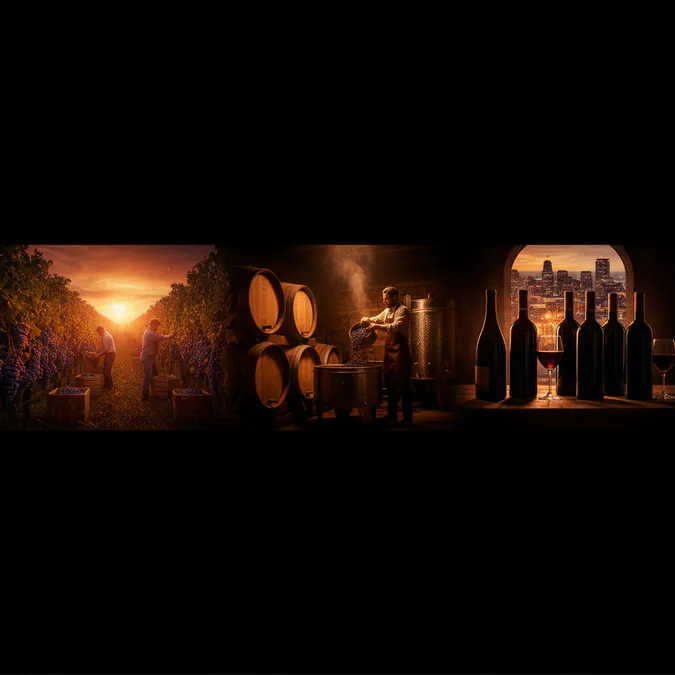
The scale of employment in Michigan's wine sector is substantial. Nearly 300 wineries across Michigan support approximately 28,000 direct jobs, with total wages from direct and indirect employment reaching $2.77 billion. These figures demonstrate that the wine industry is not merely a niche market but a fundamental component of Michigan's economic infrastructure.
Tourism and Visitor Spending
Tourism plays a crucial role in this economic equation. The state's wine regions attract approximately 1.7 million annual tourist visits, generating $330 million in direct expenditures. These visitors explore vineyards, attend tastings, dine at wine country restaurants, and stay at local accommodations, creating a multiplier effect throughout Michigan's economy.
This tourism impact extends beyond direct wine purchases. Visitors spend money on lodging, dining, entertainment, and other services in wine country communities, supporting local businesses and tax revenues. The wine industry thus serves as an anchor for broader economic development in Michigan's wine regions.
Industry Recognition and Growth
Jenelle Jagmin, Director of the Michigan Craft Beverage Council, emphasizes the industry's importance: "Michigan's wine industry is an important economic driver to our state." This recognition reflects the sector's growing prominence in state economic development strategies and policy discussions.
The growth trajectory from $8.96 billion in 2025 to nearly $9 billion in 2026 demonstrates consistent expansion. This upward trend suggests that Michigan's wine industry is not experiencing temporary growth but rather establishing itself as a permanent and expanding component of the state's economy.
Shady Lane Cellars Named Best Winery in Michigan
Among Michigan's nearly 300 wineries, Shady Lane Cellars has earned distinction as the state's best winery according to a recent ranking by Mashed. This recognition highlights the quality and appeal that Shady Lane Cellars brings to Michigan's wine landscape.
Shady Lane Cellars represents the caliber of winemaking that has put Michigan on the map as a serious wine-producing region. The winery's recognition by Mashed, a respected wine and food publication, validates Michigan's ability to produce world-class wines that stand out in competitive evaluations. This accolade is particularly significant as it demonstrates that Michigan wineries can achieve top-tier recognition alongside more established wine regions.
What This Recognition Means
The award reflects not only the quality of wines produced but also the overall experience that Shady Lane Cellars offers visitors. From vineyard management to wine production techniques to customer service, award-winning wineries like Shady Lane Cellars set the standard for excellence across Michigan's wine industry.
This recognition serves multiple purposes for Michigan's wine sector:
- Validates Michigan as a serious wine-producing region capable of competing nationally
- Attracts wine enthusiasts and tourists to Michigan wine country
- Elevates the reputation of all Michigan wineries through association
- Encourages other wineries to pursue excellence and innovation
- Supports premium pricing and market positioning for Michigan wines
Innovative Pruning Techniques at Leelanau Winery
Beyond recognition for finished products, Michigan's wine industry is advancing through innovative vineyard management practices. Leelanau Winery has adopted new pruning techniques designed to enhance both yield and consistency in grape production.
These pruning innovations address one of the fundamental challenges facing Michigan's wine industry. As Jenelle Jagmin notes, "Michigan's unique Great Lakes climate allows us to grow high-quality wine grapes. But this climate that differentiates our viticultural areas also presents specific challenges." Variable vineyard conditions and climate fluctuations require sophisticated management strategies to ensure consistent quality across vintages.
The Science Behind Pruning Innovation
The new pruning techniques implemented at Leelanau Winery represent the kind of research-driven approach that Michigan State University and other institutions have been developing. These methods aim to optimize vine health, improve grape quality, and increase productivity while working within Michigan's distinctive climate parameters.
Pruning is a critical viticultural practice that influences:
- Grape yield and productivity
- Sugar concentration and ripeness
- Overall fruit quality and flavor development
- Vine health and disease resistance
- Consistency across growing seasons
Addressing Regional Challenges
By refining these techniques, Leelanau Winery and other progressive Michigan wineries are addressing challenges related to grapevine viruses and variable vineyard conditions that have historically affected the region. The Great Lakes climate that gives Michigan wines their distinctive character also creates unpredictability that requires careful management.
These innovations demonstrate that Michigan's wine industry is not content to rest on its laurels but is actively investing in research and development to improve quality and consistency. This commitment to continuous improvement positions Michigan wineries for long-term success and sustainability.
Michigan Wine Events and Community Engagement
Michigan's wine industry thrives through community engagement and celebration of wine culture. April 2026 has brought several significant events that demonstrate the industry's vitality and its role in Michigan's social and economic fabric.
Wine Industry Job Fair in Benton Harbor
A wine industry job fair held in Benton Harbor connected employers with prospective workers, supporting industry growth during a period of economic expansion. These job fairs are essential for addressing labor needs as the industry continues to grow and for introducing new talent to careers in winemaking, hospitality, and wine-related services.
Job fairs like this one serve multiple functions:
- Connect employers with qualified candidates for open positions
- Introduce workers to career opportunities in the wine industry
- Support workforce development in wine-producing regions
- Facilitate networking between industry professionals
- Demonstrate the industry's growth and hiring momentum
Michigan Wine Festival at Historic Ypsilanti Museum
The historic Ypsilanti museum is hosting a Michigan wine festival, bringing together wine enthusiasts to celebrate the state's wine heritage. Such festivals boost tourism, provide platforms for wineries to showcase their products, and create memorable experiences that encourage repeat visits to Michigan wine country.
Wine festivals serve as important marketing and community engagement tools. They allow consumers to discover new wineries, taste a variety of Michigan wines, and connect with winemakers and industry professionals. These events also generate media coverage and social media buzz that extends the reach of Michigan wine promotion beyond attendees.
Industry Coordination and Collaboration
These events, coordinated through organizations like the Michigan Wine Collaborative, demonstrate the industry's commitment to building community connections and promoting Michigan wines to both local and visiting audiences. The collaborative approach ensures that events are well-organized, widely promoted, and aligned with broader industry goals.
The Future of Michigan's Wine Industry
Michigan's wine industry stands at an exciting juncture. With economic impact approaching $9 billion, nearly 300 wineries operating across the state, and continued innovation in vineyard management and winemaking practices, the sector is positioned for sustained growth.
Key Drivers of Future Success
The combination of award-winning wineries like Shady Lane Cellars, innovative practices like those at Leelanau Winery, and strong community engagement through events and job fairs creates a robust ecosystem for wine production and appreciation. The industry's ability to leverage Michigan's unique Great Lakes climate while addressing its inherent challenges through research and innovation positions the state as a competitive player in the national and international wine markets.
Several factors suggest continued growth:
- Quality Recognition: Awards and accolades for Michigan wineries attract attention and premium pricing
- Innovation: Ongoing research and adoption of new techniques improve consistency and quality
- Tourism Growth: Increasing visitor numbers and spending support economic expansion
- Employment: Growing job opportunities attract talent to the industry
- Community Support: Strong local engagement and events build brand loyalty and awareness
- Industry Organization: Collaborative efforts through groups like the Michigan Wine Collaborative amplify impact
Competitive Positioning
As the Michigan wine industry continues to expand, it will likely attract further investment, talent, and attention from wine enthusiasts worldwide. The economic impact figures, employment numbers, and tourism statistics demonstrate that Michigan wine is not just a regional product but a significant contributor to the state's overall economic health and quality of life.
The April 2026 news cycle reflects an industry in motion, with established wineries earning recognition, innovative techniques being implemented, and community events celebrating Michigan's wine culture. For those interested in wine, Michigan represents an increasingly important destination and a source of quality wines that deserve recognition alongside more traditionally prominent wine regions.
Looking Ahead
The trajectory of Michigan's wine industry suggests that the $9 billion economic impact milestone is not a ceiling but a stepping stone. Continued investment in quality, innovation, and marketing will likely drive further growth. As more consumers discover Michigan wines and more tourists visit Michigan wine country, the industry's economic contribution will continue to expand, benefiting not just winemakers but entire communities throughout the state.
Key Takeaways
The Michigan wine industry is on a path to significant growth, with an economic impact nearing $9 billion in 2026. With nearly 300 wineries, innovative practices, and strong community engagement, the sector is well-positioned for future success.
Frequently Asked Questions
What is the current economic impact of the Michigan wine industry?
The Michigan wine industry is projected to have an economic impact of nearly $9 billion in 2026.
How many wineries are there in Michigan?
Michigan is home to approximately 300 wineries.
What role does tourism play in the Michigan wine industry?
Tourism significantly contributes to the Michigan wine industry, with around 1.7 million annual visitors generating substantial economic activity.
What innovations are being implemented in Michigan wineries?
Innovative vineyard management practices, such as advanced pruning techniques, are being adopted to enhance grape quality and consistency.
How does the Michigan wine industry support local communities?
The industry supports local communities through job creation, tourism, and community engagement events.