
Napa Valley, a renowned wine region, is facing significant challenges in 2026, including declining wine consumption, an oversupply of grapes, and reduced tourism. In response, a new approach is emerging: exclusive Napa and Sonoma trips that offer private dinners, insider winery access, and immersive storytelling, providing an alternative to traditional wine tastings. These unique experiences aim to attract high-end visitors and revitalize the region's wine industry.
Challenges Facing Napa Valley Wineries
Napa Valley and Sonoma, iconic California wine regions, are currently navigating a complex crisis. Declining wine consumption is a major concern, driven by demographic shifts, health trends promoting reduced alcohol intake, competition from other beverages, and economic pressures that limit disposable income. The industry is also grappling with an oversupply of grapes. Accordi
The challenges extend to tourism as well. Tasting room visits have decreased, and the cost of a standard tasting in Napa Valley has soared to an average of $81, a significant increase from $30.50 in 2019 [Wine Enthusiast / SVB Reports]. This price hike, as noted by Wine Enthusiast, deters casual tourists. Furthermore, direct-to-consumer (DTC) sales, which now account for 53% of revenue for many wineries, experienced a 15% drop in volume last year [Source: WineBusiness 2026 Direct-to-Consumer Wine Shipping Report].
The New Approach: Exclusive Napa and Sonoma Trips
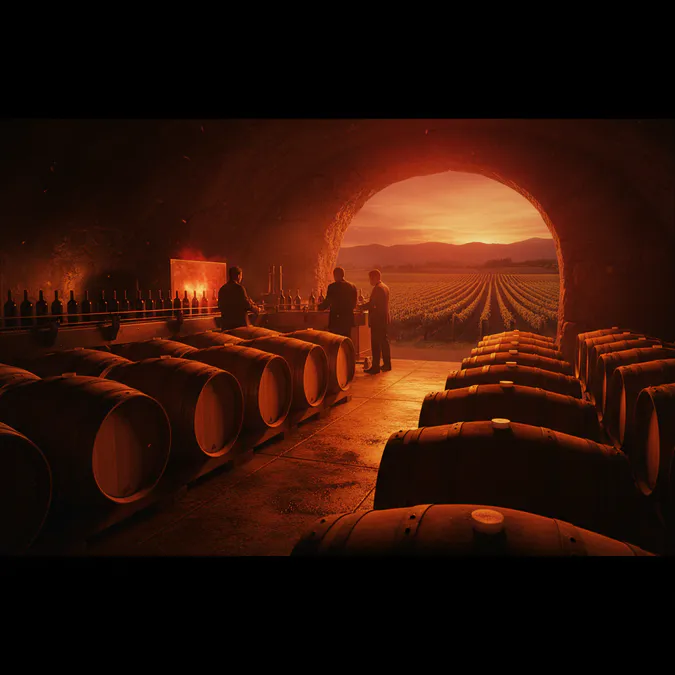
In response to these challenges, a travel company is offering ultra-exclusive Napa and Sonoma trips designed to provide a unique and immersive experience. These trips are built around private dinners, insider winery access, and immersive storytelling, offering an alternative to traditional wine tastings. This approach aims to attract high-end visitors who are seeking a more personalized and engaging experience.
Andrew Mariani, a winery owner, expressed confidence in the long-term prospects of the great vineyards in Sonoma and Napa, despite the current industry challenges [Source: San Francisco Chronicle via Napa Valley Features]. This innovative tourism model reflects a proactive effort to adapt to changing consumer preferences and market dynamics.
Key Facts
- California faces an excess of 250,000-300,000 tons of winegrapes due to oversupply.
- Top quartile wineries achieved 8% sales growth in 2026 via DTC focus, while the bottom quartile saw a 10.2% decline [Source: Silicon Valley Bank Wine Division].
- International visitors to California wine regions are projected to decline by 9.2% in 2025.
- Napa's 42,300 vineyard acres may see a 5% removal before the 2026 harvest.
- Tasting room fees in Napa have more than doubled in six years, deterring casual tourists.
Features of the Exclusive Trips: Private Dinners, Insider Access, Storytelling
These exclusive Napa and Sonoma trips are designed to offer a premium experience that goes beyond traditional wine tourism. The key features include:
- Private Dinners: Guests enjoy exclusive dining experiences, often featuring local cuisine paired with the region's finest wines. These dinners provide an intimate setting for networking and building relationships with winery owners and winemakers.
- Insider Winery Access: Participants gain access to areas of wineries that are typically off-limits to the general public. This may include private tours of vineyards, barrel rooms, and production facilities.
- Immersive Storytelling: The trips emphasize the history, culture, and craftsmanship behind the wines. Guests learn about the families, traditions, and innovations that have shaped the Napa and Sonoma wine regions.
Comparison: Traditional Wine Tastings vs. Immersive Experiences
Traditional wine tastings typically involve visiting multiple wineries, sampling a selection of wines, and learning basic information about the wines and the winery. While this can be enjoyable, it can also be crowded, impersonal, and superficial. In contrast, the exclusive trips offer a more in-depth and personalized experience.
Here's a comparison of the two approaches:
- Traditional Wine Tastings:
- Focus on sampling wines
- Often crowded and impersonal
- Limited interaction with winery staff
- Basic information about wines and wineries
- Exclusive Immersive Experiences:
- Focus on building relationships and understanding the story behind the wines
- More intimate and personalized
- Extensive interaction with winery owners and winemakers
- In-depth knowledge of the history, culture, and craftsmanship of the wines
Impact Analysis: Potential Benefits for Wineries and Tourists
The shift towards exclusive, immersive wine tourism has the potential to benefit both wineries and tourists. For wineries, it offers a way to attract high-end visitors who are willing to spend more money on wine and experiences. It also provides an opportunity to build stronger relationships with customers and create brand loyalty. According to the Silicon Valley Bank Wine Division, top-performing wineries are already growing via DTC channels, while others are declining.
For tourists, these exclusive trips offer a more enriching and memorable experience. They provide an opportunity to learn about wine in a deeper and more meaningful way, and to connect with the people and places that make Napa and Sonoma so special. Brittany Gibson, Executive Director of the Seneca Lake Wine Trail, notes that high cost of living is leaving less disposable income to spend on trips and wine, and consumers are turning away from wine for a variety of reasons [Source: Wine Enthusiast]. These exclusive trips can justify the cost by offering unparalleled experiences.
The Bottom Line
Napa Valley wineries are facing a challenging environment marked by declining wine consumption, oversupply, and reduced tourism. The emergence of exclusive Napa and Sonoma trips, focusing on private dinners, insider access, and immersive storytelling, represents a proactive effort to adapt and thrive. These unique experiences offer a promising avenue for attracting high-end visitors, fostering stronger customer relationships, and revitalizing the region's wine industry. As Jeff Bitter, President of Allied Grape Growers, points out, “The industry has not yet adjusted production sufficiently” [Source: Napa County Times]. This innovative approach to wine tourism may be a crucial step in that adjustment.
Sources
- Automated Pipeline
- Unified Wine and Grape Symposium Report - Napa County Times
- State of the US Wine Industry Report 2026 - Silicon Valley Bank
- American Tasting Rooms Are in Trouble. Will Tourists Ever Return? - Wine Enthusiast
- Under the Hood: Two Reports, One Warning - Napa Valley Features
- 2026 Direct-to-Consumer Wine Shipping Report - WineBusiness
- Source: wine-searcher.com