
Table of Contents

- Understanding the Wine Industry Outlook for 2026
- The Current Wine Market Landscape
- The Power of Clarity in Wine Marketing
- Building Meaningful Customer Connections
- Direct-to-Consumer Channels: The Growth Engine
- Operational Consistency: The Foundation
- Market Stabilization and Strategic Opportunities
- Key Opportunities for Wineries in 2026
- Navigating Challenges Ahead
- Key Takeaways
- Frequently Asked Questions
Understanding the Wine Industry Outlook for 2026
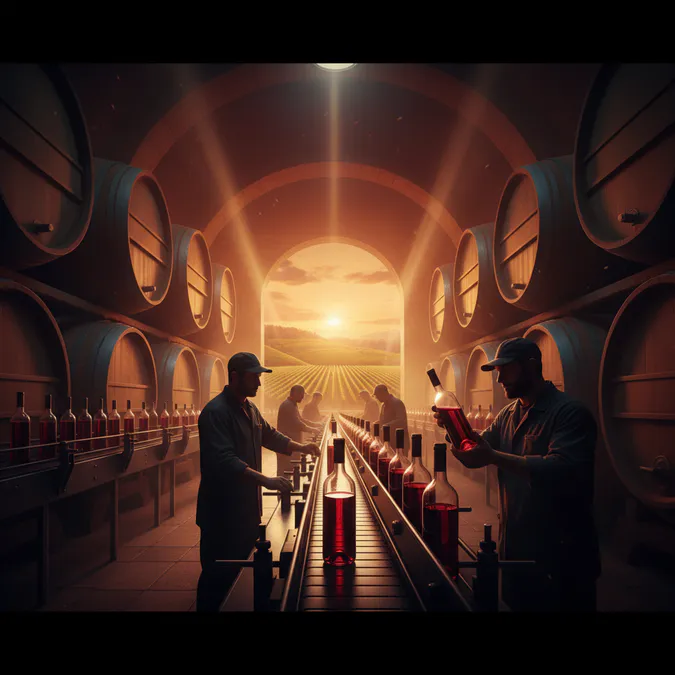
The wine industry is entering a transformative period heading into 2026, and contrary to some pessimistic forecasts, there are compelling reasons for optimism. The 2026 wine industry outlook shows that wineries strategically positioned around three core pillars—clarity, connection, and operational consistency—are experiencing measurable growth and building sustainable compe
The Current Wine Market Landscape
The wine sector has navigated significant challenges over the past few years, from supply chain disruptions to shifting consumer preferences and economic pressures. However, recent trends suggest the industry is stabilizing. This stabilization isn't uniform across all segments, but rather concentrated among producers who have adapted their business models to meet contemporary consumer expectations.
The most successful wineries recognize that today's wine consumers are fundamentally different from previous generations. They demand transparency about sourcing, production methods, and pricing. They expect meaningful engagement with brands, not just transactional relationships. And they require operational excellence that ensures consistent product quality and reliable service.
The Power of Clarity in Wine Marketing
Clarity has become a competitive differentiator in the wine industry. Consumers increasingly want to understand what they're purchasing—where grapes are sourced, how wines are produced, what sustainability practices are employed, and why wines are priced at certain levels.
Wineries excelling in 2026 are being transparent about their operations. This includes:
- Clear labeling that goes beyond regulatory requirements
- Detailed tasting notes that help consumers understand flavor profiles
- Honest communication about vintage variations
- Behind-the-scenes content about winemaking processes
- Information about vineyard management practices
- Stories of the people behind their brands
This transparency builds trust, which is invaluable in an industry where consumers have countless options. When a winery clearly communicates its values, methods, and story, it creates an emotional connection that transcends price comparisons and commodity thinking.
Building Meaningful Customer Connections
Connection represents the second pillar driving wine industry growth. The relationship between wineries and consumers has fundamentally shifted from a one-way broadcast model to a two-way dialogue.
Wineries are investing in community building through:
- Wine clubs with exclusive benefits
- Tasting events and vineyard experiences
- Educational content and webinars
- Social media engagement and community forums
- Virtual tastings and online events
- Exclusive access to limited releases
The most successful connection strategies are personalized. Wineries are using customer data and insights to tailor communications, recommend wines based on previous purchases, and create loyalty programs that genuinely reward repeat customers. This personalization extends beyond email marketing to include customized product recommendations and exclusive offerings for different customer segments.
Direct-to-Consumer Channels: The Growth Engine
Perhaps the most significant finding in the 2026 wine industry outlook is the continued dominance of direct-to-consumer (DTC) channels as the most reliable growth engine. While traditional distribution through retail and restaurants remains important, DTC channels—including winery websites, wine clubs, and direct shipping—are delivering superior margins and customer lifetime value.
DTC success requires more than just an e-commerce website. Leading wineries are investing in:
- Sophisticated digital marketing strategies
- Customer relationship management systems
- Reliable logistics infrastructure
- Seamless ordering and delivery experiences
- Data analytics to understand customer preferences
The DTC advantage extends beyond revenue. Direct relationships with consumers provide invaluable feedback about preferences, pricing sensitivity, and messaging effectiveness. This information helps wineries make better decisions about production volumes, product mix, and marketing investments.
Operational Consistency: The Foundation
The third pillar—operational consistency—might seem less glamorous than clarity and connection, but it's absolutely critical. Operational consistency means delivering the same quality experience every time a customer interacts with the winery, whether through a website, wine club shipment, tasting room visit, or customer service interaction.
This requires investment in systems, training, and processes, including:
- Standardized quality control procedures
- Inventory management systems that prevent stockouts
- Staff training for consistent service delivery
- Reliable fulfillment operations
- Customer service protocols and responsiveness
Wineries that excel in operational consistency rarely disappoint customers, which builds the trust necessary for long-term relationships.
Market Stabilization and Strategic Opportunities
Signs of market stabilization in 2026 suggest that the wine industry has largely adjusted to post-pandemic realities and economic shifts. This stabilization creates opportunities for strategic growth rather than mere survival.
Stabilization doesn't mean stagnation. Rather, it means the market is becoming more predictable, allowing wineries to plan investments with greater confidence. It also means that competitive advantages increasingly accrue to wineries that execute well on fundamentals rather than those simply riding industry tailwinds.
Key Opportunities for Wineries in 2026
Several specific opportunities emerge from this outlook:
Premiumization
Consumers continue to trade up to higher-quality wines, creating opportunities for wineries to expand premium product lines and educate consumers about quality differences.
Sustainability Focus
Environmental and social responsibility increasingly influence purchasing decisions, particularly among younger consumers. Wineries investing in sustainable practices can differentiate themselves and command premium pricing.
Educational Content
Wineries that position themselves as educators—through blogs, videos, podcasts, and webinars—build authority and attract consumers seeking to deepen their wine knowledge.
Personalization Technology
Advanced analytics and AI-driven recommendations allow wineries to deliver increasingly personalized experiences at scale.
Experiential Marketing
As consumers seek memorable experiences, wineries offering unique tasting events, vineyard experiences, and educational programs create lasting brand loyalty.
Navigating Challenges Ahead
While the outlook is positive, challenges remain. Climate change continues to impact grape growing conditions and supply reliability. Labor costs are rising. Regulatory environments vary significantly by region. And competition for consumer attention remains intense.
Wineries that thrive will be those that acknowledge these challenges while maintaining focus on the three core pillars: clarity about their operations and values, genuine connection with customers, and operational excellence that delivers consistent experiences.
Key Takeaways
The 2026 wine industry outlook reveals an industry in transition toward greater maturity and sophistication. Wineries that embrace transparency, invest in customer relationships, and execute operationally are positioned for sustainable growth. The direct-to-consumer channel continues to offer the most attractive growth opportunities, while market stabilization creates a more predictable environment for strategic planning.
For wine producers, distributors, and retailers, the message is clear: success in 2026 and beyond belongs to those who understand that modern wine consumers want more than just a product. They want clarity about what they're buying, genuine connection with the brands they support, and consistent excellence in every interaction. Wineries delivering on these expectations will find plenty to be excited about in the years ahead.
Frequently Asked Questions
What are the key trends in the 2026 wine industry outlook?
The key trends include a focus on clarity in marketing, building customer connections, and leveraging direct-to-consumer channels for growth.
How can wineries improve their direct-to-consumer sales?
Wineries can enhance DTC sales by investing in digital marketing, customer relationship management, and providing seamless ordering experiences.
What role does sustainability play in the wine industry?
Sustainability is increasingly important, influencing consumer purchasing decisions and allowing wineries to differentiate themselves in a competitive market.
How can wineries build trust with consumers?
Wineries can build trust by being transparent about their operations, engaging with customers, and consistently delivering quality experiences.
What challenges does the wine industry face in 2026?
Challenges include climate change, rising labor costs, and intense competition for consumer attention.
Additionally, wineries should consider linking to authoritative sources such as Wine Institute for further insights and data on industry trends.