
Wine growers across regional Victoria are expressing serious concerns about smoke taint affecting their upcoming harvest as planned burn operations commence in the region. Just months after the devastating bushfires that ravaged parts of Australia, the prospect of controlled burns intended to reduce future fire risk has created a new source of anxiety for vineyard operators who are still recovering from previous losses.
Smoke taint represents one of the most significant threats to wine quality and marketability in fire-prone regions. When grapes are exposed to smoke from wildfires or planned burns, they absorb volatile organic compounds that can fundamentally alter the wine's flavor profile, creating undesirable smoky, ashy, or burnt characteristics that persist through fermentation and aging. For winemakers, this can mean the difference between a premium vintage and an unmarketable product.
Table of Contents

- The Challenge of Timing and Risk Management
- Victorian Wine Industry's Recent History
- Communication and Coordination Efforts
- Protective Measures and Smoke Taint Adaptation Strategies
- The Broader Context of Fire Management
- Regional Variations and Specific Concerns
- Looking Forward: Solutions and Collaboration
- Frequently Asked Questions About Smoke Taint
The Challenge of Timing and Risk Management
The timing of planned burns creates a particularly delicate situation for Victorian wine producers. These controlled burns are essential for forest management and reducing catastrophic wildfire risk, yet they occur during critical periods of the growing season when grapes are most vulnerable to smoke exposure. Vineyard managers must balance their support for fire preve
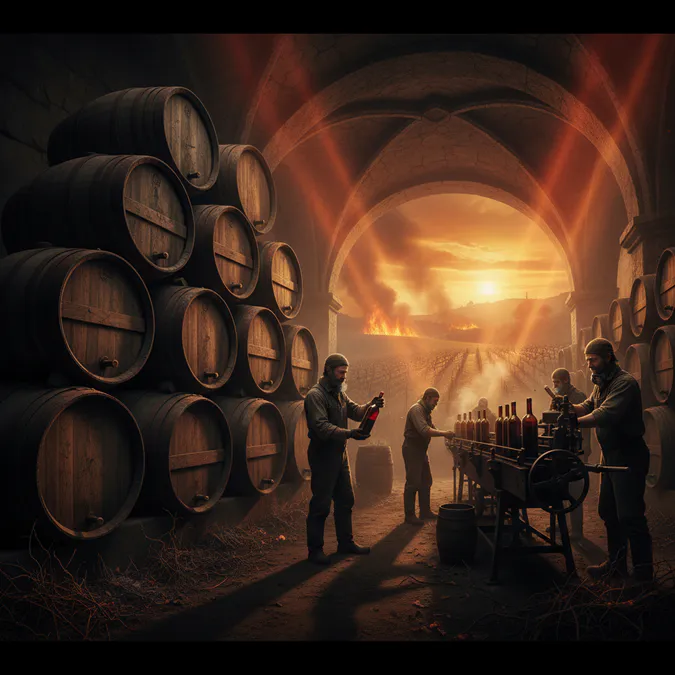
Smoke taint doesn't require direct exposure to flames or even proximity to active fires. Smoke can travel considerable distances, and even light smoke exposure during certain growth stages can compromise grape quality. The risk is particularly acute during véraison—the period when grapes begin to change color and accumulate sugars—and through harvest time. During these phases, grapes are physiologically more susceptible to absorbing smoke compounds. Research indicates that smoke exposure during these critical windows can result in significant quality degradation that cannot be reversed through winemaking techniques.
Victorian Wine Industry's Recent History
The wine industry's concerns are rooted in recent traumatic experience. Previous bushfire seasons have already demonstrated the real-world impact of smoke taint on wine production. Vineyards across affected regions experienced significant crop losses, with some producers unable to harvest or process their grapes due to unacceptable smoke contamination. The financial and reputational damage extended beyond the immediate season, as consumers became wary of wines from affected regions.
Now, as the industry works to rebuild and restore confidence in Victorian wines, the prospect of planned burns introduces uncertainty. Growers who have invested in recovery efforts and replanting programs face the possibility of another season compromised by smoke exposure, even if the source is controlled and intentional. Industry experts note that the cumulative impact of repeated smoke taint events threatens the long-term viability of premium wine production in certain regions.
Communication and Coordination Efforts
In response to these concerns, there has been increased dialogue between fire management authorities and the wine industry. Stakeholders are working to improve coordination around burn schedules, attempting to time controlled burns to minimize overlap with critical grape growth stages. However, the complexity of weather patterns, fire management priorities, and agricultural calendars makes perfect synchronization challenging.
Some regions have established notification systems to alert vineyard operators when planned burns are scheduled in their vicinity. This allows growers to implement protective measures, such as increased irrigation to maintain vine vigor or harvesting decisions based on smoke forecasts. However, these measures offer only partial protection and cannot eliminate the risk entirely. Communication between agencies and vineyard operators has improved significantly, though many producers report that advance notice remains inconsistent.
Protective Measures and Smoke Taint Adaptation Strategies
Wine growers are exploring various strategies to mitigate smoke taint risk. These include:
- Crop management techniques such as adjusting canopy density to reduce smoke penetration and modifying irrigation schedules to support vine resilience during smoke events
- Harvest timing adjustments, attempting to pick grapes before planned burns when possible, though this creates its own challenges related to grape maturity and sugar levels
- Winemaking interventions including laboratory testing to detect smoke compounds in grapes before committing to fermentation
- Industry advocacy and policy engagement to ensure vineyard concerns are considered in burn planning decisions
- Smoke monitoring systems that track air quality and smoke dispersal patterns in real-time
While these tests cannot reverse smoke damage, they provide valuable information for decision-making about whether to process affected fruit separately or blend it strategically. Advanced testing methods can now detect smoke compounds at parts-per-trillion levels, allowing winemakers to make informed decisions about fruit quality before harvest.
The Broader Context of Fire Management
It's important to note that planned burns serve a critical public safety function. These controlled burns reduce fuel loads in forests and grasslands, significantly decreasing the risk of catastrophic wildfires that pose dangers to communities, infrastructure, and the environment. Fire management authorities must balance multiple competing interests, including public safety, ecosystem health, and agricultural protection.
This creates a genuine dilemma without easy solutions. Eliminating planned burns to protect vineyards would increase wildfire risk, potentially leading to the very scenario that caused previous smoke taint problems. The challenge lies in finding optimal timing, location, and scale for burns that minimize agricultural impact while maintaining fire management effectiveness. Research from fire management agencies demonstrates that strategic fuel reduction through planned burns can reduce catastrophic wildfire risk by up to 60 percent in certain forest types.
Regional Variations and Specific Concerns
Different wine regions within Victoria face varying levels of risk based on their proximity to forests and grasslands where burns are planned. Premium wine areas such as the Yarra Valley and Mornington Peninsula have expressed particular concern, given the high value of their grapes and the reputation-sensitive nature of their markets. Cooler climate regions that produce Pinot Noir and Chardonnay are especially vulnerable, as these varieties are particularly susceptible to smoke taint compounds.
Smaller, family-owned vineyards often lack the resources of larger producers to implement sophisticated protective measures or absorb losses from compromised harvests. This has raised equity concerns within the industry about how smoke taint risk is distributed across different scales of operation. Large wine companies with multiple vineyard locations can diversify their risk, while smaller producers may face existential threats from a single compromised vintage.
Looking Forward: Solutions and Collaboration
Moving forward, the wine industry and fire management authorities recognize the need for enhanced collaboration. Proposed solutions include more sophisticated burn planning that incorporates agricultural calendars, investment in smoke detection and forecasting technology specific to vineyard regions, and development of industry standards for smoke taint assessment and management.
Research institutions are also contributing to solutions, studying grape varieties with greater smoke resilience and developing improved testing methods for smoke compound detection. Some producers are exploring diversification strategies, including the development of smoke-tolerant grape varieties or shifts toward wine styles that can accommodate subtle smoke characteristics. Universities and agricultural extension services are working to provide growers with evidence-based guidance on smoke taint prevention and management.
Frequently Asked Questions About Smoke Taint
What exactly is smoke taint in wine?
Smoke taint occurs when grape vines absorb volatile organic compounds from smoke exposure during critical growth stages. These compounds persist through fermentation and create undesirable smoky, ashy, or burnt flavors in the finished wine. The compounds bind to grape skins and cannot be removed through standard winemaking processes.
How far can smoke travel to affect vineyards?
Smoke can travel considerable distances depending on atmospheric conditions and wind patterns. Studies indicate that smoke from planned burns or wildfires can affect vineyards located 20-50 kilometers away, though proximity to the burn site increases risk significantly. Even light smoke exposure during véraison can compromise grape quality.
Can winemakers fix smoke taint after harvest?
Unfortunately, smoke taint cannot be reversed through winemaking techniques. Once grapes absorb smoke compounds, these compounds persist through fermentation and aging. This is why prevention and early detection are critical. Winemakers can only decide whether to process affected fruit separately, blend it with unaffected wine, or reject it entirely.
Which grape varieties are most susceptible to smoke taint?
Cooler climate varieties such as Pinot Noir and Chardonnay are particularly vulnerable to smoke taint compounds. However, all grape varieties can be affected by smoke exposure during critical growth stages. The susceptibility depends on the timing and intensity of smoke exposure rather than variety alone.
What protective measures can vineyard managers implement?
Vineyard managers can adjust canopy management to reduce smoke penetration, modify irrigation schedules to support vine vigor, implement smoke monitoring systems, and make strategic harvest timing decisions. Laboratory testing can detect smoke compounds before fermentation, allowing informed decisions about fruit processing.
How are fire management authorities and wine growers collaborating?
Fire management authorities and wine industry representatives are working together to coordinate burn schedules with agricultural calendars, establish notification systems for planned burns, and develop smoke forecasting tools specific to vineyard regions. Industry advocacy groups are also engaging in policy discussions to ensure agricultural concerns are considered in burn planning.
Key Takeaways
Smoke taint represents a genuine threat to wine quality and vineyard economics in fire-prone regions like Victoria. The resumption of planned burns, while necessary for fire management and public safety, creates legitimate concerns for grape growers still recovering from previous bushfire impacts. Effective solutions require ongoing communication and coordination between fire management authorities, vineyard operators, and government agencies. The wine industry is adapting through improved monitoring, strategic harvest decisions, and advocacy for burn planning that considers agricultural impacts. Ultimately, protecting both public safety and agricultural interests requires collaborative approaches that acknowledge the validity of both fire management and vineyard protection concerns. As research continues to develop smoke-tolerant varieties and improved detection methods, the industry moves toward more resilient practices that can coexist with necessary fire management operations.