
Overview of Central and Eastern European Wines
The world of wine is constantly evolving, with new regions emerging to capture the attention of enthusiasts and connoisseurs alike. Central and Eastern European wines, often overlooked, are now stepping into the spotlight. This article delves into the rise of these wines, their unique characteristics, and the market trends that are shaping their future.
Central and Eastern Eu
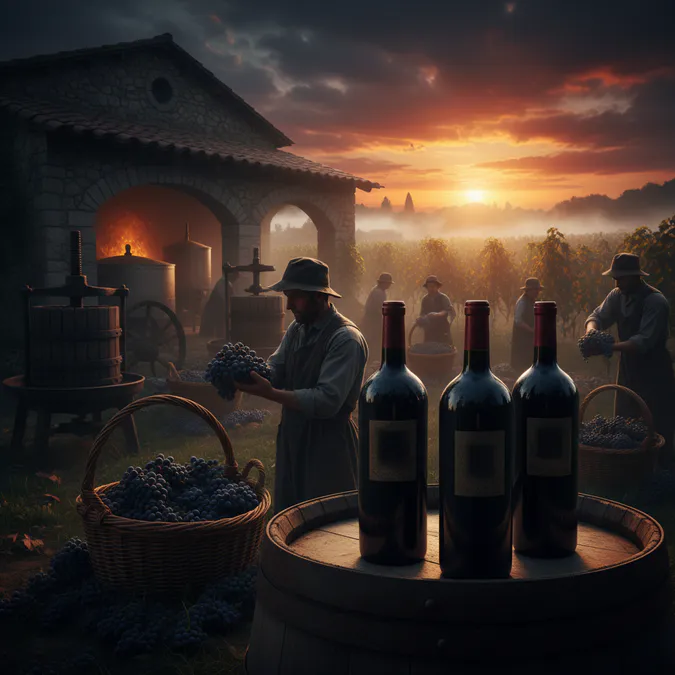
- Hungary: Known for its Tokaji wines, Hungary has a long tradition of producing sweet wines that date back centuries. The country is also gaining recognition for its dry white wines made from indigenous grapes such as Furmint and Hárslevelü.
- Poland: While relatively new to the wine scene, Poland's cool climate is ideal for producing crisp whites and sparkling wines. The country has seen a surge in vineyard planting, with a focus on varieties like Riesling and Pinot Noir.
- Romania: With a winemaking history that dates back over 6,000 years, Romania is home to a diverse range of grape varieties, including Fetească Neagră and Fetească Regală, which are gaining popularity both locally and internationally.
- Czech Republic: Known for its white wines, particularly those made from Grüner Veltliner and Riesling, the Czech Republic is carving out a niche in the global wine market.
Market Trends
The growing interest in Central and Eastern European wines reflects a broader trend towards diversity in the wine market. Consumers are increasingly seeking unique and lesser-known wines that offer distinct flavors and stories. According to a report by Wine-Searcher, the demand for wines from these regions has increased significantly over the past few years, with sales rising by 15% in 2022 alone.
Key factors contributing to this trend include:
- Increased Accessibility: As global trade barriers diminish, wines from Central and Eastern Europe are becoming more accessible to international markets.
- Culinary Pairing: Chefs and sommeliers are exploring these wines for their ability to pair beautifully with a variety of cuisines, enhancing the dining experience.
- Sustainability: Many vineyards in these regions are adopting sustainable and organic practices, appealing to environmentally conscious consumers.
- Cultural Heritage: Wine enthusiasts are drawn to the rich cultural heritage and unique stories behind these wines, adding to their allure.
As these regions continue to gain recognition, wine lovers are encouraged to explore the offerings from Central and Eastern Europe. Tasting events, wine festivals, and educational programs are becoming more common, providing opportunities for consumers to learn about and appreciate these emerging wines.
Conclusion
The rise of New Old World wines from Central and Eastern Europe marks an exciting chapter in the wine industry. With their rich histories, diverse grape varieties, and unique flavors, these wines are poised to make a significant impact on the global market. As consumers continue to seek out new experiences and flavors, the wines from these regions will undoubtedly play a crucial role in shaping the future of wine appreciation. For those looking to expand their palate, now is the perfect time to explore the hidden gems of Central and Eastern European winemaking.