
The wine industry is experiencing a tale of two markets. While mainstream wine sales face significant headwinds, the ultra-premium segment—particularly bottles priced above $250—continues to demonstrate remarkable strength and stability. This divergence between mass-market and fine wine performance reveals important insights about consumer behavior, market dynamics, and the potential trajectory of the broader wine industry. Understanding these trends is crucial for wine enthusiasts, investors, and industry professionals alike.
Market Overview: Wine Industry Trends
The global wine market is navigating challenging conditions, with mainstream wine sales experiencing considerable pressure from various economic and consumer preference shifts. However, this downturn is not uniform across all price segments. The ultra-premium wine market—defined by highly allocated bottles commanding prices of $250 and above—has proven remarkably resilient.
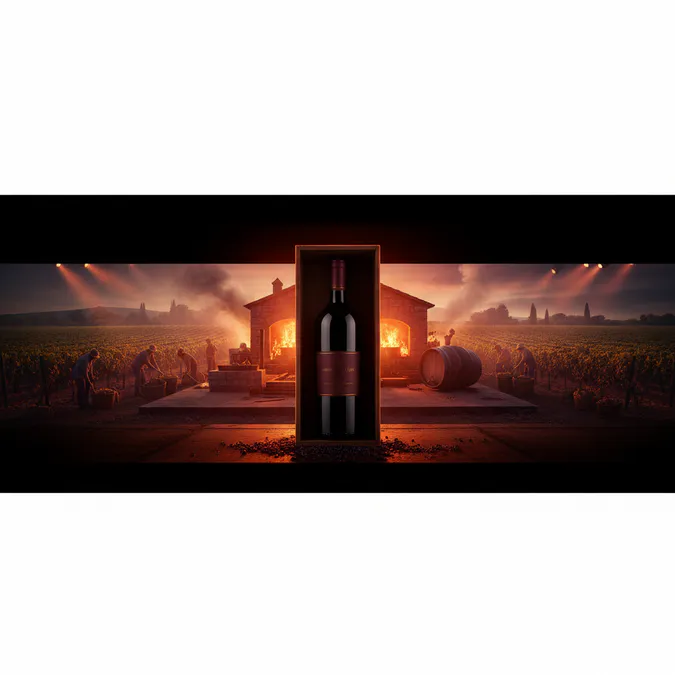
This bifurcation in market performance reflects broader consumer trends and economic realities. While budget-conscious consumers are pulling back on wine purchases or trading down to lower price points, affluent collectors and serious wine enthusiasts continue to invest in premium bottles without hesitation. The Drinks Business reports that demand for highly allocated and ultra-premium bottles continues to hold firm even as mainstream wine sales remain under pressure.
The current market environment underscores a fundamental truth about wine consumption: the industry is not monolithic. Premium wine may help set the stage for the recovery experts are beginning to forecast, suggesting that strength in high-end segments could eventually lift the broader market.
Ultra-Premium Wine Market Analysis
The ultra-premium wine segment occupies a unique position in the global wine market. These highly allocated bottles represent the pinnacle of winemaking craftsmanship, scarcity, and prestige. Wines in this category typically come from renowned producers, limited production runs, or exceptional vintages that command premium valuations.
What makes this market segment particularly noteworthy is its insulation from broader economic pressures affecting mainstream wine sales. Collectors view fine wine not merely as a beverage but as an investment asset, similar to art or rare collectibles. This perspective fundamentally changes purchasing behavior—economic downturns that might reduce discretionary spending on everyday wine have minimal impact on acquisitions of investment-grade bottles.
The continued strength of ultra-premium wine sales suggests that demand from high-net-worth individuals, institutional collectors, and serious enthusiasts remains robust. These buyers are less price-sensitive and more focused on acquiring bottles that appreciate in value or offer exceptional tasting experiences. The $250 price threshold serves as a meaningful demarcation point, separating premium wines from the ultra-premium category where investment considerations become paramount.
Factors Driving High-End Wine Demand
Several factors contribute to the sustained demand for ultra-premium wines despite broader market challenges:
- Scarcity and Supply Constraints: The scarcity of highly allocated bottles creates natural supply constraints that support pricing power. Limited production runs and finite inventory ensure that desirable bottles maintain or increase in value over time, making them attractive to collectors and investors.
- Investment Appeal: The investment appeal of fine wine attracts capital from alternative asset investors seeking diversification beyond traditional stocks and bonds. Fine wine has demonstrated relatively low correlation with equity markets, making it attractive during periods of market volatility.
- Global Wealth Growth: Global wealth accumulation among high-net-worth individuals continues to expand, particularly in emerging markets. These new collectors actively seek prestigious bottles to build their collections, providing consistent demand from an expanding buyer base.
- Prestige and Status: Ultra-premium wines carry significant prestige value. Owning rare, highly allocated bottles signals sophistication and connoisseurship, driving demand among collectors who view wine as both a consumable and a status symbol.
- Tangible Asset Value: Unlike many luxury goods that depreciate, fine wine can appreciate significantly over time, particularly for bottles from exceptional vintages or renowned producers. This tangible asset value provides a compelling investment rationale.
Economic Implications for Wine Producers
The resilience of the ultra-premium segment offers encouraging signals for the broader wine industry. Industry experts are beginning to forecast a potential market recovery, with premium wine playing a leading role in this anticipated turnaround.
For wine producers, this dynamic creates both challenges and opportunities. While mainstream wine producers face margin pressure and declining volumes, premium producers with access to highly allocated inventory can maintain pricing power and profitability. This may eventually create conditions for broader market stabilization as premium segment strength translates into improved industry sentiment and investment.
The performance of the ultra-premium market also influences producer strategy and investment decisions. Wineries that can position themselves in the premium segment—through quality improvements, brand building, and limited production strategies—may find more favorable market conditions than those competing primarily on volume and price.
Additionally, the strength of ultra-premium sales supports the broader wine ecosystem, including auction houses, wine retailers specializing in fine wines, and wine investment platforms. These businesses benefit from the continued vitality of the high-end market and can invest in growth even as mainstream wine retail faces headwinds.
Key Takeaways
The ultra-premium wine market's strength demonstrates that quality, scarcity, and prestige remain powerful drivers of consumer behavior, even during economic downturns. As the wine industry navigates current challenges, the performance of fine wine bottles priced above $250 provides a beacon of optimism for recovery ahead.
For wine enthusiasts and collectors, this environment underscores the enduring value of premium bottles as both enjoyable beverages and alternative investments. For industry professionals, the bifurcated market performance suggests that differentiation through quality and scarcity will be increasingly important for success. The continued resilience of ultra-premium wines indicates that while mainstream wine sales face pressure, the foundation for broader industry recovery is being laid by collectors and investors who continue to value exceptional bottles regardless of broader economic conditions.