Table of Contents
- Understanding Fine Wine Aging
- Which Wines Benefit from Aging
- The Science Behind Fine Wine Aging
- Optimal Storage Conditions for Fine Wine Aging
- Building a Fine Wine Collection
- The Reward of Patience
- Key Takeaways
- Frequently Asked Questions (FAQ)
Understanding Fine Wine Aging
Fine wine aging represents one of the most fascinating aspects of wine appreciation and investment. The phrase "aging like fine wine" has become synonymous with excellence and longevity, but understanding the actual science and practice behind proper fine wine aging requires knowledge of several key factors that distinguish premium bottle
The Concept of Fine Wine Aging
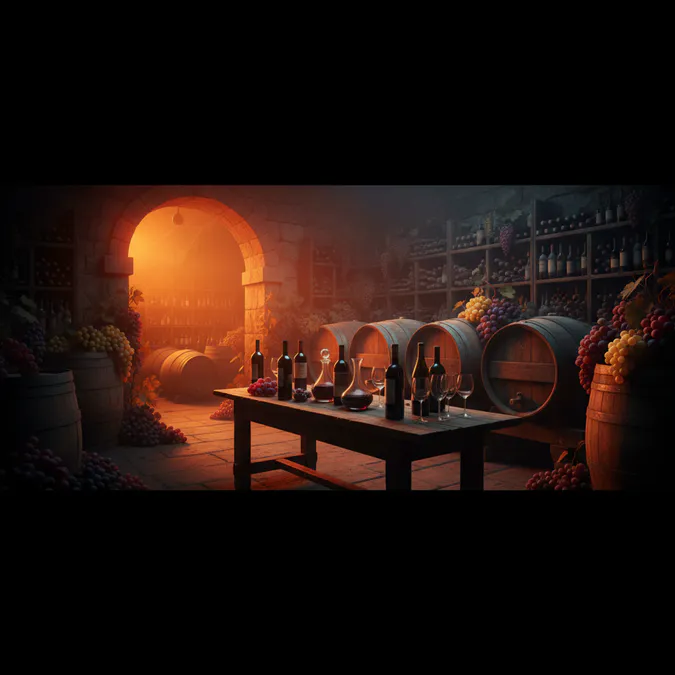
Fine wine aging refers to the intentional storage of quality wines under controlled conditions to allow them to develop complexity, depth, and enhanced flavor profiles over time. Unlike most beverages consumed immediately after purchase, certain wines are specifically produced with the intention of improving significantly over years or even decades. This process transforms young, sometimes harsh wines into sophisticated, nuanced expressions that command premium prices and deliver exceptional drinking experiences.
The aging process in fine wine involves chemical reactions that occur naturally within the bottle. Oxygen interaction through the cork, tannin polymerization, and the development of tertiary flavors all contribute to the transformation that occurs during extended storage. Understanding these mechanisms helps wine enthusiasts make informed decisions about which bottles to cellar and when to enjoy them at peak maturity.
Which Wines Benefit from Aging
Not all wines improve with age. In fact, the majority of wines produced worldwide are intended for immediate consumption. However, certain categories of fine wine consistently develop greater complexity and refinement when properly aged:
- Bordeaux wines from the Left Bank regions of Pauillac, Saint-Julien, and Margaux are renowned for their aging potential. These wines, built on Cabernet Sauvignon with supporting varietals, often require 10-20 years or more to reach optimal drinking windows.
- Burgundy Pinot Noirs and Chardonnays from premier and grand cru vineyards develop remarkable complexity over 15-30 years, evolving tertiary flavors of mushroom, leather, and dried fruit.
- Rioja wines from Spain's Tempranillo-based blends, especially those labeled Reserva and Gran Reserva, are specifically produced with aging in mind.
- Vintage Port and other fortified wines represent some of the longest-lived beverages available, aging gracefully for 50, 100, or even 200 years.
- California Cabernet Sauvignons from Napa Valley often demonstrate excellent aging potential, developing secondary flavors over 15-25 years.
The Science Behind Fine Wine Aging
Understanding the chemistry of fine wine aging helps explain why certain bottles improve while others deteriorate. Several key processes occur during maturation:
Tannin Polymerization
Young wines, particularly reds, contain harsh, astringent tannins that can overwhelm the palate. Over time, these tannin molecules bond together in a process called polymerization, creating larger, less astringent compounds. This transformation softens the wine's texture and allows other flavor components to become more apparent.
Oxidative Aging
Controlled oxidation occurs slowly through the cork as minute amounts of oxygen interact with the wine's components. This process develops tertiary flavors and deepens color complexity. The rate of oxidation depends on cork quality, storage temperature, and humidity levels.
Color Development
Color changes dramatically during aging. Young red wines display bright ruby or purple hues, while aged bottles develop garnet, brick, or brown tones at the rim. White wines deepen from pale yellow to golden amber. These color changes reflect the chemical transformations occurring within the bottle.
Flavor Evolution
Flavor progression moves through distinct stages. Primary flavors (fruit-forward characteristics) gradually fade as secondary flavors (spice, leather, tobacco) emerge, eventually giving way to tertiary flavors (mushroom, dried fruit, earth) that define mature wines.
Optimal Storage Conditions for Fine Wine Aging
Proper storage is absolutely critical for successful fine wine aging. Several environmental factors directly impact how wines develop:
- Temperature stability: Ideal storage ranges from 45-65°F (7-18°C), with 55°F (13°C) considered optimal. Consistent temperature is more important than the specific temperature itself.
- Humidity levels: Between 50-80% helps preserve cork condition and prevent label deterioration.
- Light exposure: Dark storage conditions or UV-protective glass are essential, as ultraviolet light degrades wine quality and causes premature aging.
- Bottle position: Bottles with natural corks should be stored horizontally to keep the cork moist and prevent it from drying out.
- Vibration minimization: Constant movement can disturb sediment and potentially damage delicate compounds developing within the bottle.
Building a Fine Wine Collection
For those interested in fine wine aging, strategic collecting requires knowledge and patience. Starting with wines from established regions and producers known for aging potential provides the best foundation. Researching vintage quality, understanding optimal drinking windows, and purchasing from reputable merchants ensures quality bottles worthy of cellaring investment.
Many collectors maintain detailed records of their bottles, noting purchase dates, storage conditions, and tasting notes. This documentation helps optimize drinking timing and provides valuable reference information for future purchases.
The Reward of Patience
The true pleasure of fine wine aging emerges when a properly stored bottle reaches its peak maturity. The transformation from a young, sometimes austere wine into a sophisticated, complex expression represents the culmination of careful storage and patient waiting. Whether enjoying a 20-year-old Bordeaux, a mature Burgundy, or a well-aged Rioja, the depth and refinement achieved through proper aging demonstrates why certain wines truly do improve with time, much like fine craftsmanship and dedication to excellence in any endeavor.
Key Takeaways
- Fine wine aging enhances complexity and flavor profiles.
- Not all wines benefit from aging; select premium varieties.
- Proper storage conditions are crucial for successful aging.
- Document your collection for optimal enjoyment and investment.
- Patience is rewarded with exceptional drinking experiences.
Frequently Asked Questions (FAQ)
1. What types of wine age best?
Wines such as Bordeaux, Burgundy, Rioja, and Vintage Port are known for their aging potential.
2. How should I store my fine wines?
Store wines in a cool, dark place with stable temperatures and humidity levels between 50-80%.
3. How long can I age my wine?
Some wines can be aged for decades, while others are best enjoyed within a few years of release.
4. What happens to wine as it ages?
Wine undergoes chemical changes that enhance its flavors, aromas, and overall complexity.
5. Is it worth aging wine?
Yes, for certain wines, aging can significantly improve the drinking experience, making it a worthwhile investment.
For further reading on fine wine aging, consider checking resources from reputable wine publications and experts, such as Wine Enthusiast or Wine Spectator.