
Proper wine storage is essential to preserve the quality, flavor, and aging potential of your collection. Many wine enthusiasts unknowingly damage their bottles by storing them in unsuitable locations. This comprehensive guide reveals the five places you should never keep wine and explains the science behind proper storage conditions.
Wine is a living product that continues to evolve in the bottle. Temperature fluctuations, light exposure, humidity changes, and vibrations can all accelerate spoilage, cause oxidation, or disrupt the wine's natural maturation process. Understanding these factors helps you protect your investment and ensure your wines develop their full potential.
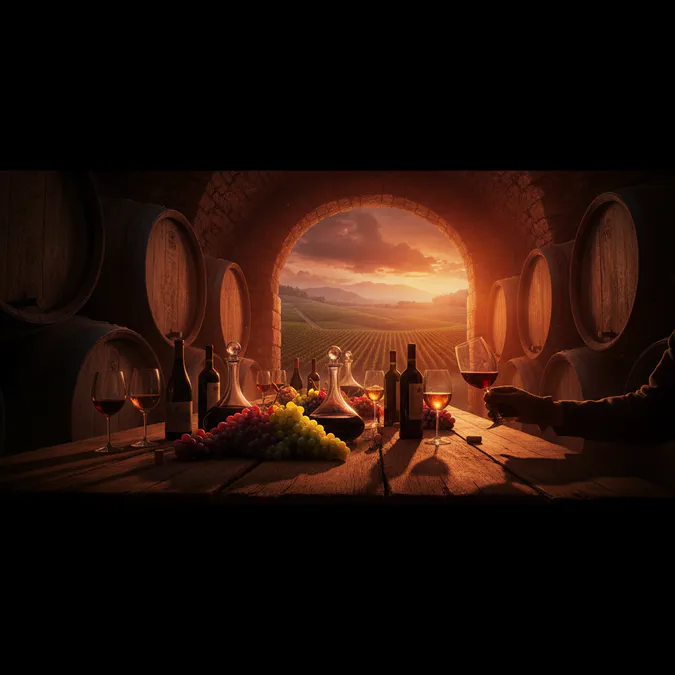
The ideal storage environment maintains a consistent temperature between 10-15°C (50-59°F), humidity levels of 60-70%, complete darkness, and minimal vibration. Bottles with natural corks should be stored horizontally to maintain moisture contact with the cork, while screwcap wines can stand upright.
Why Wine Storage Matters
Wine storage directly impacts the longevity and quality of your bottles. Temperature has a profound effect on how wine develops in the bottle. According to EuroCave wine storage specialists, "Temperature has a direct
This principle explains why consistent conditions matter more than achieving a specific temperature. A wine stored at a steady 18°C will age more gracefully than one experiencing daily swings between 10°C and 25°C, even if the average temperature is ideal.
Light exposure presents another critical concern. Research from the Wine & Spirit Education Trust (WSET) demonstrates that "There is substantial research that shows that light causes chemical restructuring in the bottle... sulphurous compounds are created at a faster rate which essentially speeds up ageing and can develop unpleasant flavours."
These chemical changes occur because UV light triggers reactions that prematurely age wine and create off-flavors. This is why wine bottles are traditionally dark green or brown—the colored glass filters harmful light wavelengths.
Near Heat Sources Like Ovens and Radiators
The kitchen is often the worst place to store wine, particularly near heat-generating appliances. Ovens, stoves, and radiators create localized heat that can rapidly elevate bottle temperatures. Even brief exposure to high heat can damage wine irreversibly.
Heat accelerates the chemical reactions inside the bottle, causing premature aging and oxidation. A wine that should develop complexity over 10 years might deteriorate in months when stored near a heat source. The cork can also dry out or expand, potentially allowing oxygen to enter the bottle.
If your wine rack currently sits near your oven or kitchen radiator, relocate it immediately. The kitchen counter, especially near cooking areas, is one of the most common storage mistakes wine enthusiasts make. Instead, choose a cool, dark closet, basement corner, or dedicated wine cooler positioned away from appliances.
Temperature Sensitivity
Wine bottles stored near heat sources experience rapid temperature increases that damage the delicate balance of compounds inside. According to Jancis Robinson, Master of Wine, "the ideal wine storage temperature is probably between 10 and 15 °C (50 and 59 °F), but no great harm will come to wine stored between 15 and 20 °C so long as the temperature does not fluctuate too dramatically."
This guidance emphasizes that stability trumps perfection. A wine stored consistently at 18°C will age better than one fluctuating between 10°C and 25°C, even though the latter's average might be ideal.
In Direct Sunlight or Bright Light
Storing wine in windows or under bright artificial lights exposes bottles to UV radiation that damages wine quality. Sunlight streaming through windows creates temperature fluctuations and triggers the chemical reactions that produce unpleasant sulfur compounds.
Even indirect sunlight can harm wine over time. If you display wine bottles on open shelving or in glass cabinets near windows, you're essentially watching your investment deteriorate. The damage occurs gradually—you might not notice the off-flavors until you open the bottle months or years later.
Fluorescent lighting in kitchens and pantries also poses risks, though less severe than natural sunlight. The blue wavelengths in fluorescent bulbs can trigger some of the same chemical changes as UV light.
Light Protection Strategies
The solution is simple: store wine in complete darkness. A dark closet, wine fridge with opaque doors, or dedicated wine cellar provides the light-free environment wine requires. If you want to display bottles, use UV-protective glass or keep them in a dark cabinet, removing them only when ready to serve.
Professional wine storage facilities maintain total darkness in their cellars, understanding that even minimal light exposure over months and years accumulates damage. This is why serious collectors invest in wine coolers with solid doors rather than glass fronts.
Above Refrigerators and Appliances
Refrigerators, dishwashers, and other kitchen appliances generate heat and vibration—two enemies of proper wine storage. Placing wine on top of a refrigerator exposes bottles to warm air rising from the unit's condenser coils.
Refrigerators also cycle on and off throughout the day, creating temperature fluctuations in the surrounding area. These fluctuations cause wine to expand and contract, pushing the liquid against the cork and potentially allowing oxygen ingress. Over time, this process leads to oxidation and spoilage.
The vibration from appliances compounds the problem. Every time a refrigerator compressor runs or a dishwasher operates, vibrations travel through the appliance and surrounding surfaces. These vibrations disturb the sediment in wine bottles and interfere with the slow maturation process that creates complex flavors.
Appliance Heat and Vibration Impact
Mitchell Katz Winery emphasizes the importance of anti-vibration solutions, highlighting how vibration pads and digital hygrometers help maintain elite storage conditions. If you must store wine in a kitchen, choose a location at least several feet away from major appliances.
Professional collectors use specialized equipment to isolate wine from vibration sources. Anti-vibration pads, suspended racking systems, and isolated storage rooms all contribute to protecting valuable collections from mechanical disturbance.
In Humid Basements Without Climate Control
While basements offer darkness and cool temperatures, uncontrolled humidity creates problems. Excessive moisture promotes mold growth on labels and can damage the wine itself if water seeps past the cork.
Conversely, humidity that's too low allows corks to dry out. According to storage experts, optimal humidity levels range from 60-70% to maintain cork integrity. When humidity drops below 50%, corks shrink and lose their seal, allowing oxygen to enter the bottle and spoil the wine.
Basement humidity fluctuates with seasons and weather conditions. Summer humidity might reach 80%, while winter heating can drop it to 30%. These swings damage wine as much as temperature fluctuations.
Humidity Control Solutions
If you store wine in a basement, invest in a hygrometer to monitor humidity levels. Consider using a humidifier or dehumidifier to maintain the 60-70% range. For serious collectors, a dedicated wine cooler with humidity control provides reliable protection. EuroCave's new Inoa Conditioner captures and redistributes humidity in wine rooms, maintaining natural cellar conditions for optimal preservation.
Wine Folly recommends maintaining humidity between 55-75% for wine cellars, providing a slightly wider range that accounts for seasonal variations while still protecting cork integrity.
Near Vibration Sources
Vibrations from traffic, construction, appliances, and even speakers can disturb wine bottles. Each vibration causes sediment to shift and interferes with the wine's development process. While a single vibration causes minimal damage, constant exposure degrades wine quality over time.
This is why wine stored in basements near busy streets or in homes with heavy foot traffic may age less gracefully than wine in quiet cellars. Professional wine storage facilities use vibration-dampening pads and isolated storage systems to protect valuable collections.
Minimizing Vibration Exposure
When selecting a storage location, choose a quiet area away from high-traffic zones. Avoid storing wine near speakers, exercise equipment, or areas where doors slam frequently. If you use a wine fridge, ensure it's on a stable, level surface away from vibration sources.
For those storing wine in challenging environments, anti-vibration pads designed for wine storage can significantly reduce mechanical disturbance. These pads isolate bottles from vibrations transmitted through shelving and flooring.
Creating the Perfect Wine Storage Solution
For casual wine drinkers, a dedicated wine cooler provides the simplest solution. These appliances maintain consistent temperature and humidity while protecting bottles from light. Models range from compact 6-bottle units to large cabinets holding 100+ bottles.
For serious collectors, professional wine storage options include:
- Home wine cellars: Climate-controlled rooms with proper insulation, temperature regulation, and humidity control
- Wine storage facilities: Professional warehouses offering padded, climate-controlled environments with security
- Racking systems: Wooden or metal racks designed for horizontal storage in cool, dark spaces
Storage Temperature Guidelines
The ideal storage temperature range of 10-15°C (50-59°F) applies across multiple expert sources. This range allows wine to age slowly and develop complexity without accelerating oxidation or other chemical changes. However, consistency matters more than hitting this exact range.
Many collectors successfully store wine at temperatures between 15-20°C, provided the temperature remains stable throughout the year. Seasonal variations of a few degrees are acceptable; daily fluctuations of 10°C or more cause damage.
Bottle Orientation and Sealing
For bottle orientation, remember that corked wines should be stored horizontally to keep the cork moist and maintain the seal. This prevents the cork from drying out and shrinking, which would allow oxygen to enter the bottle.
Approximately 25-30% of wines now use screwcaps, which can be stored upright since they don't rely on cork moisture for sealing. Screwcap wines are increasingly suitable for aging when properly structured, offering an alternative to traditional cork closures.
Professional Storage Considerations
For valuable collections, professional wine storage facilities provide climate control, security, and insurance. These facilities maintain ideal conditions year-round and protect bottles from light, vibration, and temperature fluctuations. The cost is justified for wines intended for long-term aging or significant monetary value.
Key Takeaways
Proper wine storage requires attention to five critical factors: temperature, light, humidity, vibration, and bottle orientation. Avoid storing wine near ovens and heat sources, in direct sunlight or bright light, above appliances, in uncontrolled humid basements, and near vibration sources.
Maintain a consistent temperature between 10-15°C (50-59°F), humidity of 60-70%, complete darkness, and minimal vibration. Store corked bottles horizontally and consider investing in a wine cooler or cellar for valuable collections.
By understanding these principles and implementing proper storage practices, you'll preserve your wine's quality, allow it to develop its full potential, and ensure every bottle tastes as the winemaker intended. Whether you're a casual wine drinker or serious collector, these guidelines protect your investment and enhance your wine enjoyment for years to come.
FAQ
What is the best temperature for wine storage?
The ideal temperature for wine storage is between 10-15°C (50-59°F). Consistency is more important than hitting an exact temperature within this range.
Can I store wine in the kitchen?
It's best to avoid storing wine in the kitchen, especially near heat sources like ovens and stoves, as they can cause temperature fluctuations that damage wine.
How does light affect wine storage?
Light exposure, especially UV light, can cause chemical reactions that prematurely age wine and create off-flavors. Store wine in complete darkness to prevent this.
Sources
- Automated Pipeline
- Wine Storage Guide | Mitchell Katz Winery
- Six pieces of advice for storing wine - EuroCave
- What Makes a Good Wine Cellar? Top Organization Tips - Wine Folly
- Ideal serving temperatures and top tips for wine storage - WSET
- How to store wine | Jancis Robinson
- Source: wineinvestment.com