
Understanding Wine Storage Basics

Wine storage is a critical yet often neglected part of enjoying and preserving wine. Many enthusiasts spend on premium bottles only to damage them with improper care. The good news? You don’t need a high-end wine fridge to maintain your collection’s quality. What matters most is understanding the key wine storage pitfalls and how to avoid them effectively.
At its core, proper wine storage is about recognizing that wine is a dynamic product, evolving even after it’s bottled. Factors like temperature swings, light exposure, humidity levels, and physical disturbances can harm its integrity. By steering clear of the six major wine storage danger zones, you can ensure every bottle remains in peak condition until it’s time to enjoy.
Table of Contents
- The Top of Your Refrigerator
- Direct Sunlight and Bright Light
- Above or Near Heat Sources
- High-Traffic Areas with Vibration
- Excessively Dry Environments
-
 href="#unstable-locations">Unsecured or Unstable Storage Locations
 - Creating an Ideal Wine Storage Solution
- Wine Storage Best Practices
- Key Takeaways
- Frequently Asked Questions About Wine Storage
The Top of Your Refrigerator
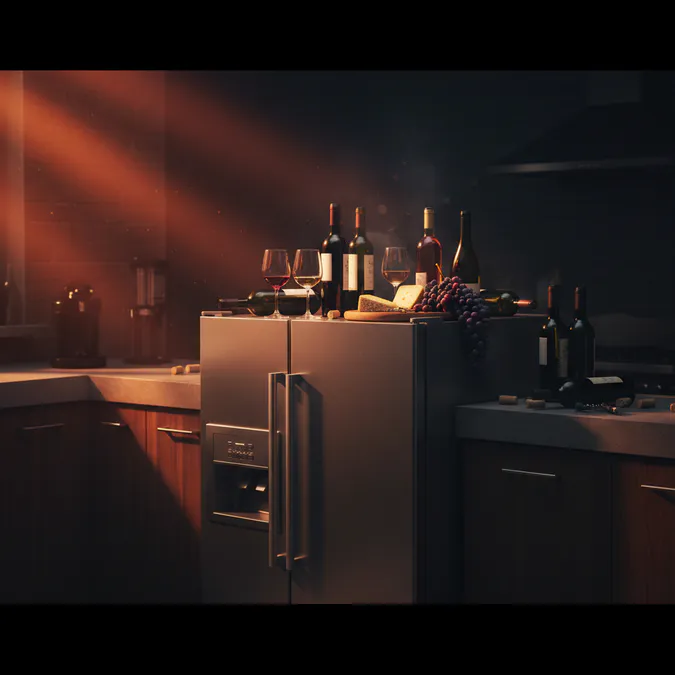
One of the most frequent wine storage errors happens in the kitchen: placing bottles atop the refrigerator. This spot is among the worst for preserving wine. Refrigerators generate heat during operation, turning the top surface into a hot zone. Bottles here endure constant temperature changes as the appliance cycles on and off daily.
Excessive heat speeds up aging unnaturally, causing wines to lose their intended taste and character far too soon. The cork may dry out or swell prematurely, letting oxygen seep in and spoil the contents. Moreover, vibrations from the compressor disturb sediment, further degrading quality. Avoid this spot at all costs for effective wine storage.
Direct Sunlight and Bright Light
Light exposure poses another serious risk to proper wine storage. Ultraviolet rays from sunlight trigger premature oxidation, a chemical reaction that degrades the compounds responsible for wine’s color, aroma, and flavor. The result? A dull, unappealing taste that ruins the experience.
This is why most wine bottles use dark glass—it offers some shield against light damage. Yet, even dark glass can’t fully protect against extended exposure to direct sunlight. Storing bottles near windows, under intense overhead lighting, or in brightly lit spaces hastens deterioration. For optimal wine storage, choose a dark or dimly lit area to safeguard against both natural and artificial light.
Above or Near Heat Sources
Temperature consistency is vital for preserving wine. Placing bottles above radiators, near heating vents, or close to ovens and stoves subjects them to excessive warmth and erratic temperature shifts. Heat makes wine expand, which can push the cork out slightly or create tiny gaps that allow oxidation to occur.
Even short-term exposure to high temperatures can cause lasting harm. A bottle left in a hot car or near a heat source for mere hours may suffer irreversible damage. Research indicates that the ideal range for most wines is 45 to 65 degrees Fahrenheit, with 55 degrees being perfect for long-term aging. Consistency trumps exact numbers—maintaining a stable environment is key to successful wine storage.
High-Traffic Areas with Vibration
Wine bottles thrive in calm, undisturbed settings. Storing them in busy areas, near speakers, or in spots prone to constant vibration creates issues. Physical agitation disrupts sediment, speeds up unwanted chemical reactions, and may loosen corks over time, compromising the seal.
Traditionally, wine collectors store bottles horizontally in cellars or racks to limit movement and keep corks moist. If you must keep wine in an accessible spot, opt for a quiet, steady area away from foot traffic, machinery, or vibrating devices. Even subtle tremors from nearby speakers or fitness equipment can affect wine quality over extended periods. Prioritize stability for better wine storage outcomes.
Excessively Dry Environments
Humidity plays a subtle but essential role in wine storage. Very dry conditions lead to cork degradation. When humidity levels drop too low, corks shrink and dry out, forming gaps that let air into the bottle. This oxidation turns wine flat and brownish, ruining its appeal.
On the flip side, overly damp conditions can harm labels and foster mold, though this is less detrimental to the wine itself than dryness. Industry experts suggest an ideal humidity range of 50 to 80 percent for storage. If you’re in a dry climate or a low-moisture room, consider a humidifier to maintain suitable levels, especially for valuable bottles stored long-term.
Unsecured or Unstable Storage Locations
Lastly, avoid keeping wine in unstable spots where bottles could tip or fall. High shelves without proper support, shaky stacks, or areas vulnerable to earthquakes or vibrations pose unnecessary risks. A dropped bottle not only wastes wine but also creates potential safety hazards.
Effective wine storage demands secure, stable racks or shelving built to hold bottles safely. Whether using a dedicated wine rack, a sturdy cabinet, or a cool closet shelf, ensure bottles are firmly positioned and can’t shift or topple. Stability is a cornerstone of protecting your collection from physical damage.
Creating an Ideal Wine Storage Solution
You don’t need a pricey wine fridge to store bottles correctly. Numerous affordable options exist for maintaining quality. A cool, dark closet in an interior room often offers steadier temperatures than exterior walls. Basements or cellars are naturally ideal if available. Even a dedicated cabinet in a climate-controlled space works well for smaller home collections.
The goal is to dodge the six danger zones while ensuring cool, dark, stable, and humid conditions. For serious collectors lacking suitable space, investing in a wine fridge can be worthwhile. However, for casual enthusiasts with modest stashes, simply avoiding these common errors and selecting an appropriate spot can preserve quality efficiently. Explore resources on wine preservation at authoritative sites like Wine Spectator for deeper insights.
For additional tips on organizing your collection, check our related guide on building a wine inventory. Linking your storage practices to inventory management can elevate your overall wine experience.
Wine Storage Best Practices
Beyond sidestepping danger zones, adhere to these core principles for optimal care:
- Store bottles horizontally when feasible to keep corks moist and reduce air exposure.
- Keep bottles clear of strong odors, as wine can absorb surrounding smells over time.
- Maintain steady temperatures and minimize frequent thermal fluctuations.
- Track your collection with detailed records, noting purchase dates and ideal drinking windows.
- Secure bottles in stable spots, far from potential risks or disturbances.
Implementing these habits can significantly enhance your wine storage strategy, ensuring each bottle retains its intended profile. Industry insights often emphasize consistency over perfection—small, mindful adjustments can yield big results.
Key Takeaways
Proper wine storage doesn’t demand costly gear or complex setups. By recognizing and avoiding the six primary danger zones—refrigerator tops, direct sunlight, heat sources, vibrating high-traffic areas, dry conditions, and unstable spots—you can safeguard your collection effectively. Whether you’re storing everyday wines or curating a premium stash, these guidelines ensure each bottle retains its quality and flavor. Start by assessing your current setup, pinpoint any risks, and make simple tweaks to create a better environment. Your taste buds will appreciate the effort when each pour reflects the winemaker’s vision.
Frequently Asked Questions About Wine Storage
Why is temperature so important for wine storage?
Temperature affects how wine ages. Fluctuations or excessive heat can speed up aging, degrade flavors, and damage corks, allowing oxidation. Keeping a consistent range of 45-65°F protects quality.
Can I store wine in my kitchen if I avoid the refrigerator top?
Kitchens often have heat sources and temperature swings from cooking or appliances. Unless you have a cool, stable corner away from heat and light, it’s better to choose a darker, steadier spot like a closet or basement.
How does humidity impact wine storage?
Low humidity dries out corks, letting air in and oxidizing the wine. High humidity can damage labels but is less harmful to the liquid. Aim for 50-80% humidity to balance cork health and label preservation.
Do I really need a wine fridge for proper storage?
No, a wine fridge isn’t mandatory. A cool, dark, stable, and moderately humid spot like a basement or interior closet can work just as well for most casual collectors if you avoid common pitfalls.